Lab Gloves Contaminated Microplastic Studies for Years
Scientists discovered their protective gloves were accidentally adding thousands of false plastic particles to pollution research. A chemistry team created new methods to fix contaminated data and help researchers avoid the mistake going forward.
A chemistry student in Michigan thought she was measuring air pollution, but her results showed plastic levels 1,000 times higher than expected.
Madeline Clough, a recent doctoral graduate at the University of Michigan, followed every safety rule while studying microplastics in the air. She wore nonplastic clothing, avoided plastic lab tools, and prepared her samples in a filtered chamber. Yet something was terribly wrong with her numbers.
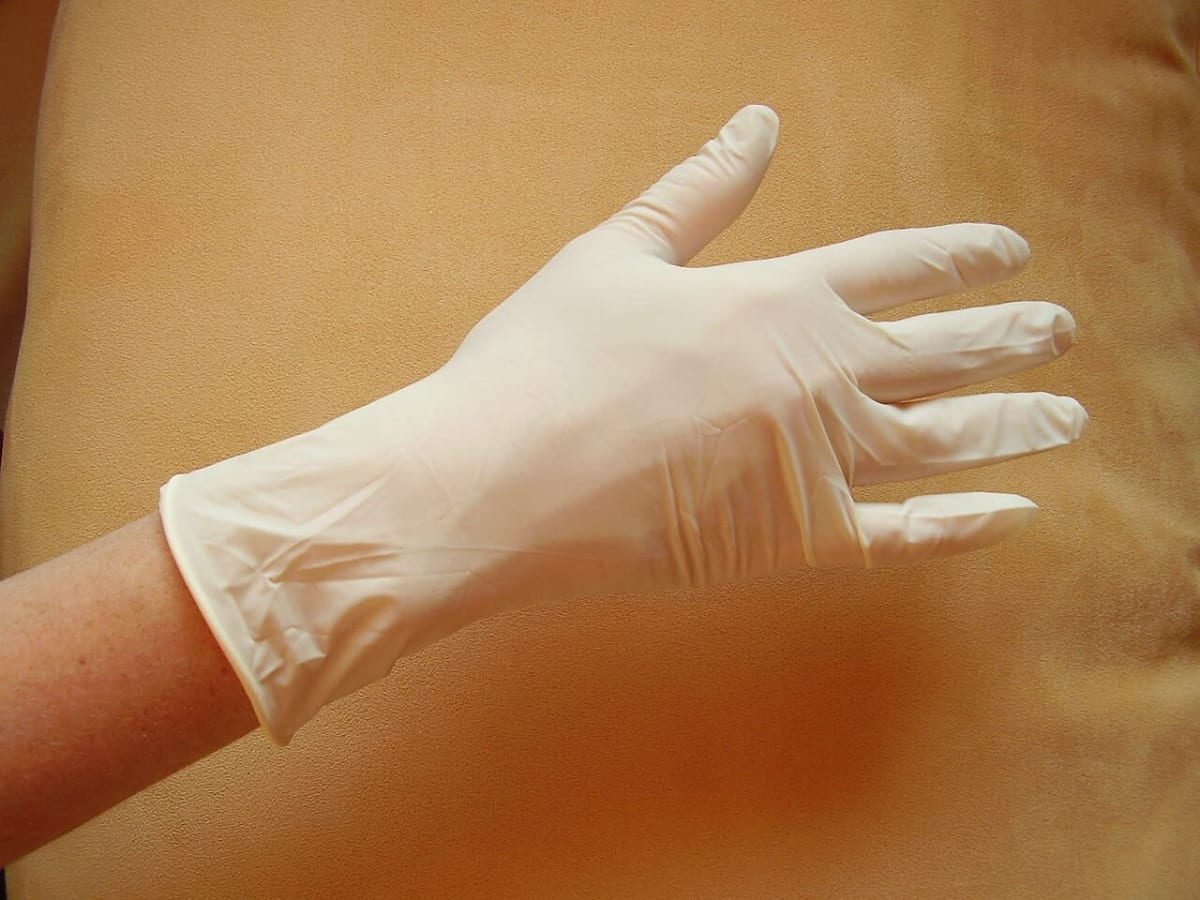
After months of detective work, Clough and her team traced the problem to an unlikely source: their protective lab gloves. The disposable gloves that scientists wear for safety were shedding thousands of particles that looked exactly like plastic pollution under their instruments.
The culprit turned out to be a soap-like coating called stearate salt. Manufacturers use this substance to help gloves pop out of factory molds. When researchers touch equipment, these salts transfer easily to everything they handle.
The team tested seven common glove types and found they shed an average of 2,000 false positive particles per square millimeter. Some gloves released more than 7,000. The problem gets worse because these particles share nearly identical chemical signatures with polyethylene, the most common plastic found in nature.
Scientists use laser technology to identify plastics by bouncing light off microscopic fragments. Because stearates and polyethylene have similar structures, automated detection systems confuse one for the other. Years of microplastic research may have accidentally counted glove residue as environmental pollution.
The Bright Side
The discovery doesn't erase previous microplastic research. Clough and chemistry professor Anne McNeil worked with statistics experts to create new analytical methods that can tell the difference between real microplastics and glove residue.
Researchers who worry about contaminated datasets can now use these techniques to recover their data and find accurate microplastic counts. The team also offers a simple solution: switch to specialized cleanroom gloves that shed only about 100 particles per square millimeter instead of thousands.
The Michigan researchers threw out their initial air quality data, but they see the setback as progress. Their work will help the entire scientific community measure microplastic pollution more accurately. That means better data to protect human health and ecosystems from real plastic contamination.
Scientists can now study microplastics with confidence, knowing exactly how to avoid this hidden source of error.
More Images
Based on reporting by Google News - Science
This story was written by BrightWire based on verified news reports.
Spread the positivity!
Share this good news with someone who needs it