Lab-Grown Cells Restore Vision in Blind Mice at Duke
Scientists at Duke University used stem cells to grow specialized retinal blood vessel cells that restored vision in blind mice. The breakthrough could lead to affordable treatments for millions facing vision loss from diseases like diabetic retinopathy.
Scientists just took a major step toward curing blindness by growing specialized eye cells from scratch and using them to restore vision in mice.
Researchers at Duke University in North Carolina created retinal blood vessel cells using induced pluripotent stem cells, or iPSCs. These special stem cells can transform into any type of cell in the body, a discovery that won Japanese scientist Shinya Yamanaka the Nobel Prize in 2012.
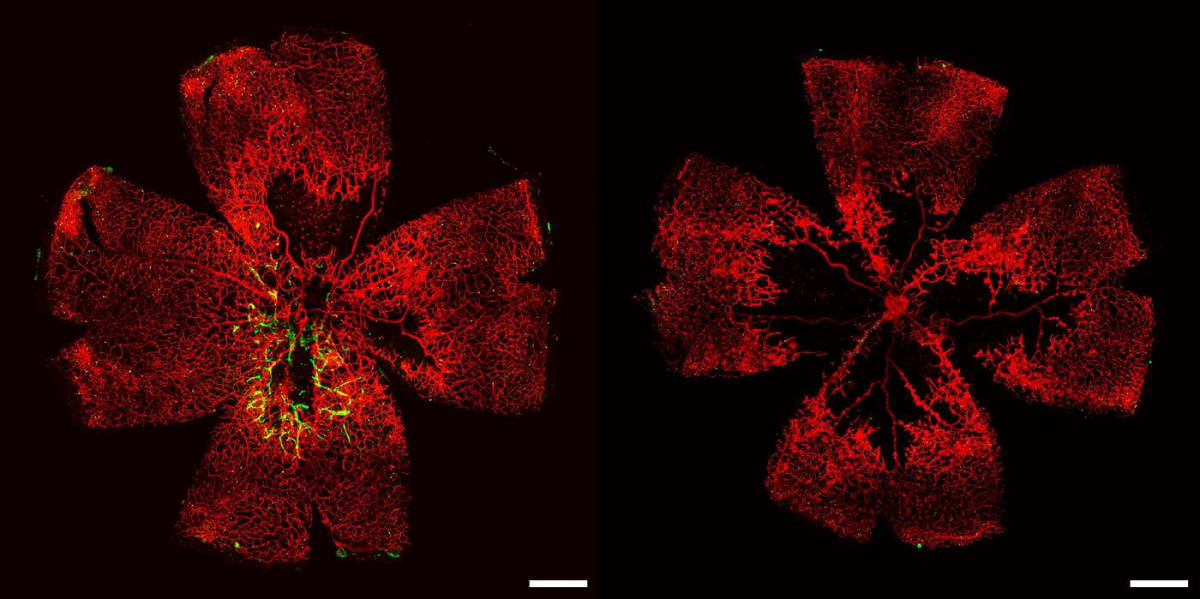
The Duke team, led by Professor Sharon Gerecht, focused on creating retinal endothelial cells. These tiny but crucial cells form the blood vessels in your retina and act like security guards, controlling what enters and exits to keep your eyes healthy.
When this protective barrier breaks down, it causes diseases that steal people's sight. Diabetic retinopathy alone is the leading cause of vision loss in working age Americans, affecting millions of people every year.
Until now, doctors could only collect these cells from real patients, making them expensive and hard to get. The Duke breakthrough changes everything by letting scientists grow an unlimited supply in the lab.
The researchers started with commercial stem cells and guided them through a carefully designed process using growth factors. Step by step, the cells transformed into the exact type found in retinal blood vessels.
Then came the real test. The team injected these lab grown cells into mice with retinal disease before they lost their vision completely. The cells integrated perfectly into the damaged tissue, rebuilding blood vessels and restoring function.
In another experiment, researchers exposed the lab grown tissue to low oxygen and high glucose levels that mimic diabetes in humans. The tissue responded just like real retinal tissue would, breaking down under stress. This means scientists can now study eye diseases and test new treatments without needing patient samples every time.
Parker Esswein, a PhD student who co-led the study, says the cells show real promise for preventative treatments. Getting them should be easier and cheaper using this new technique.
Why This Inspires
This breakthrough matters because it takes a treatment that was limited and expensive and makes it accessible. Millions of people with diabetes live with the fear of losing their sight as they age. Now there's a pathway to stopping that before it happens.
The team already has partnerships forming to explore clinical uses, plus a patent pending for both therapeutic treatments and drug testing models. What started as a lab experiment could soon help real patients keep their vision for life.
Future treatments could be as simple as an injection that rebuilds your eye's natural defenses before damage becomes permanent.
More Images




Based on reporting by Good News Network
This story was written by BrightWire based on verified news reports.
Spread the positivity!
Share this good news with someone who needs it
%2Fhttps%3A%2F%2Ftf-cmsv2-smithsonianmag-media.s3.amazonaws.com%2Ffiler_public%2F8f%2F51%2F8f519049-2d05-4f9a-8858-f58ed880bd57%2Fgettyimages-1432941680.jpg)