Lab-Grown Mini Brains Unlock Secrets of Human Development
Scientists are using tiny lab-grown brain models called organoids to solve mysteries about how our incredible brains develop. These breakthrough tools could lead to new treatments for autism, schizophrenia, and other brain conditions.
Scientists have created miniature versions of human brains in labs, and they're revealing secrets about our most complex organ that were impossible to study before.
For decades, researchers struggled to understand how the human brain develops its extraordinary abilities. They relied on scarce human tissue samples and animal models that couldn't capture what makes human brains unique.
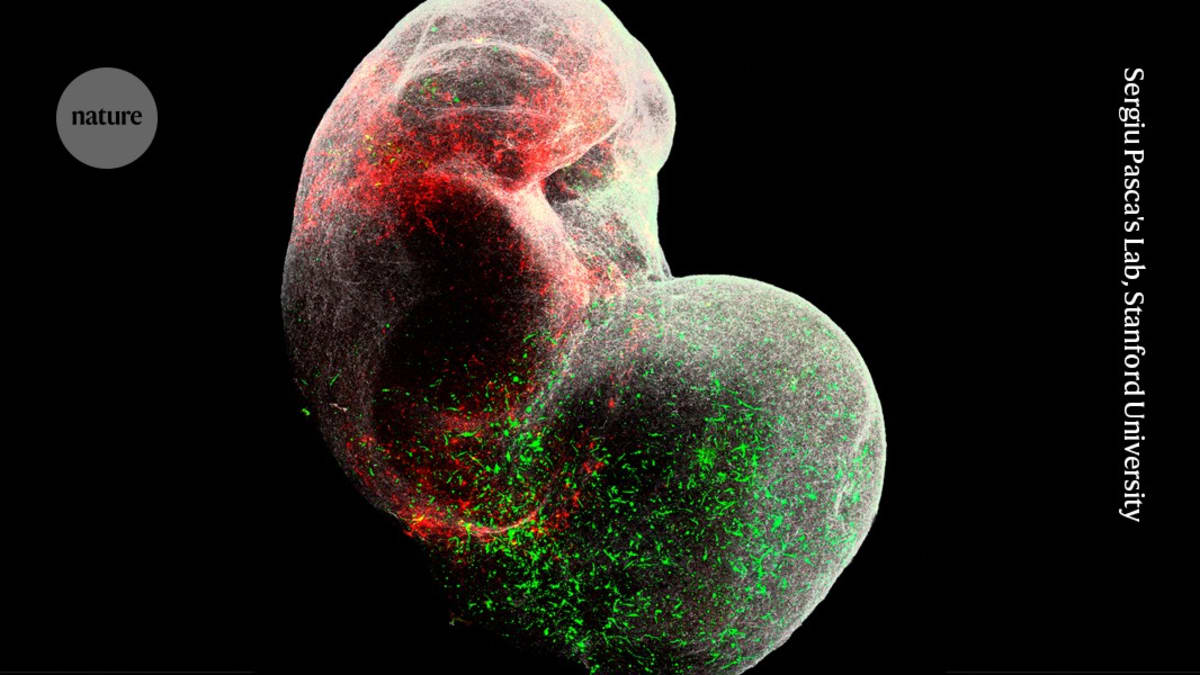
Then came organoids. These tiny spheres, first created over a decade ago from reprogrammed adult cells, grow and develop just like real human brains. They follow the same timeline too, maturing at the leisurely pace of a human pregnancy rather than rushing through development like mouse cells do.
The technology has exploded in recent years. Scientists can now grow increasingly complex models that represent different brain regions and watch as billions of cells are born, migrate to correct positions, and form precise connections with each other.
One of the biggest surprises came early on. Human organoids kept growing for 200 days, while mouse versions stopped after just nine days. This massive difference mirrors real life and helps explain why human brain development takes nearly three decades to complete.
The organoids also revealed a special type of cell that only primates have in significant numbers. Humans have far more of these outer RG cells than other primates, and scientists believe they're the reason our brains grew so disproportionately large during evolution.
The Ripple Effect
The impact reaches far beyond basic science. Researchers have already used organoids to model conditions like microcephaly, autism, and schizophrenia by watching how diseased cells develop differently than healthy ones.
This year marks a major milestone. Scientists are preparing to launch the first clinical trial of a brain disorder treatment developed entirely using organoids, without relying on animal testing.
The technology keeps improving too. Teams are creating more sophisticated systems that better capture the brain's complexity, though challenges remain around sustaining them long-term in the lab.
The work opens doors to understanding uniquely human questions. Why does our brain develop so much more slowly than other mammals? What makes our cognitive abilities so extraordinary? The answers are literally growing in dishes right now.
These marble-sized marvels are bringing hope to millions affected by brain conditions that were once impossible to study in human cells.
More Images

Based on reporting by Nature News
This story was written by BrightWire based on verified news reports.
Spread the positivity!
Share this good news with someone who needs it