Lab-Grown Tissue Mimics Menstruation to Unlock Healing
Scientists created tiny uterus models that can menstruate and regenerate, revealing how the body heals without scars. The breakthrough could transform how we treat wounds and tissue damage.
Scientists have cracked a biological mystery that's been hiding in plain sight for generations.
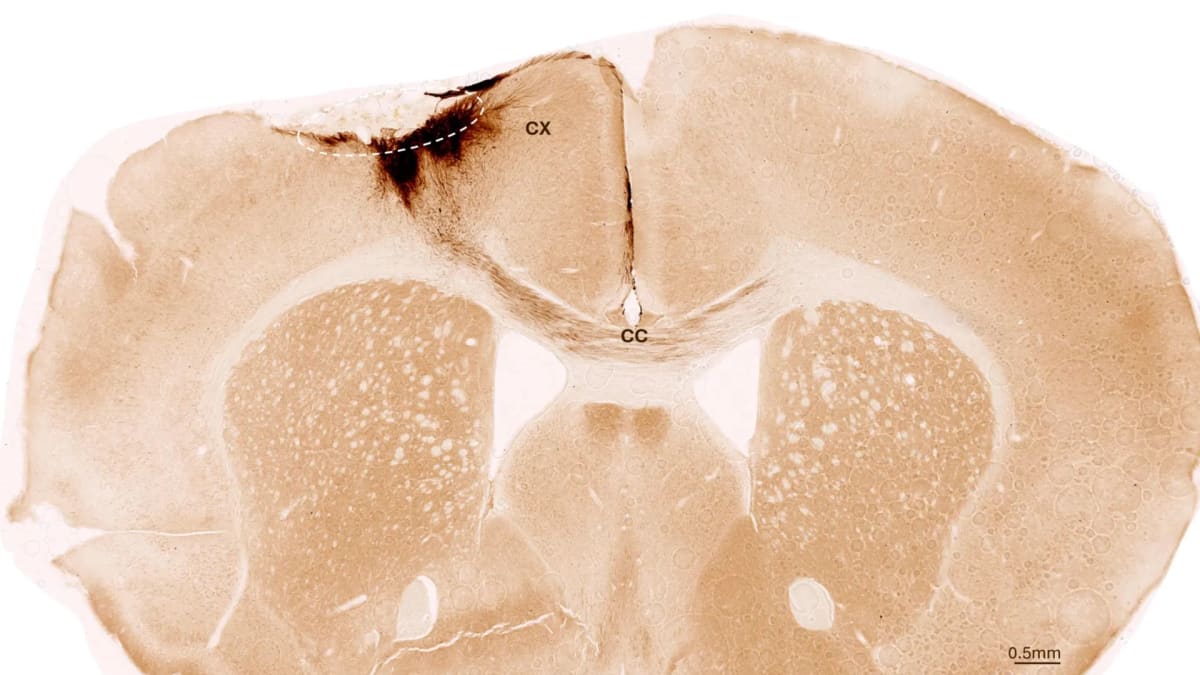
Researchers in Switzerland developed miniature models of uterus tissue that can shed and regenerate like the real thing, recreating a process that happens in millions of people every month but has never been fully understood. The lab-grown organoids reveal how the body's most remarkable repair system works without leaving a single scar behind.
The endometrium, the lining of the uterus, performs an incredible feat during each menstrual cycle. It completely breaks down and rebuilds itself, healing perfectly every time without the scarring that typically follows tissue damage anywhere else in the body.
"It is fantastic to have a model system that you can do experiments on," says Deena Emera, an evolutionary biologist at the Buck Institute for Research on Aging. Until now, studying this process was nearly impossible because observing it in people is too invasive.
The Swiss team, led by molecular biologist Konstantina Nikolakopoulou, built on earlier models by adding the menstrual cycle itself. They treated the tiny tissue structures with estrogen and progesterone, then withdrew the hormones just like the body does naturally. When the tissue broke down and regenerated, they could watch the healing happen in real time.
The discovery revealed an unexpected hero in the repair process. Surface cells called luminal cells, which normally help embryos implant during pregnancy, also activate a regeneration gene called WNT7A. These cells stick around during shedding and kick-start the healing.
Previous research suggested deep tissue stem cells did all the work, but these surface cells turned out to be crucial helpers. When researchers removed the WNT7A gene, the tissue struggled to grow and survive.
Why This Inspires
This tiny breakthrough could have massive ripple effects for medicine. Understanding scar-free healing in the endometrium opens doors for treating wounds throughout the body and improving therapies for conditions like endometriosis that affect 190 million people worldwide.
The research team is already working on more complex models that include different cell types, blood flow, and immune cells. Each step closer to recreating the full biological environment brings us closer to unlocking the secrets of perfect healing.
The findings were published in Cell Stem Cell in April 2026, giving scientists a new window into one of nature's most elegant repair systems.
What started as curious questions about monthly cycles could end up teaching us how to help any tissue heal better.
More Images



Based on reporting by Scientific American
This story was written by BrightWire based on verified news reports.
Spread the positivity!
Share this good news with someone who needs it