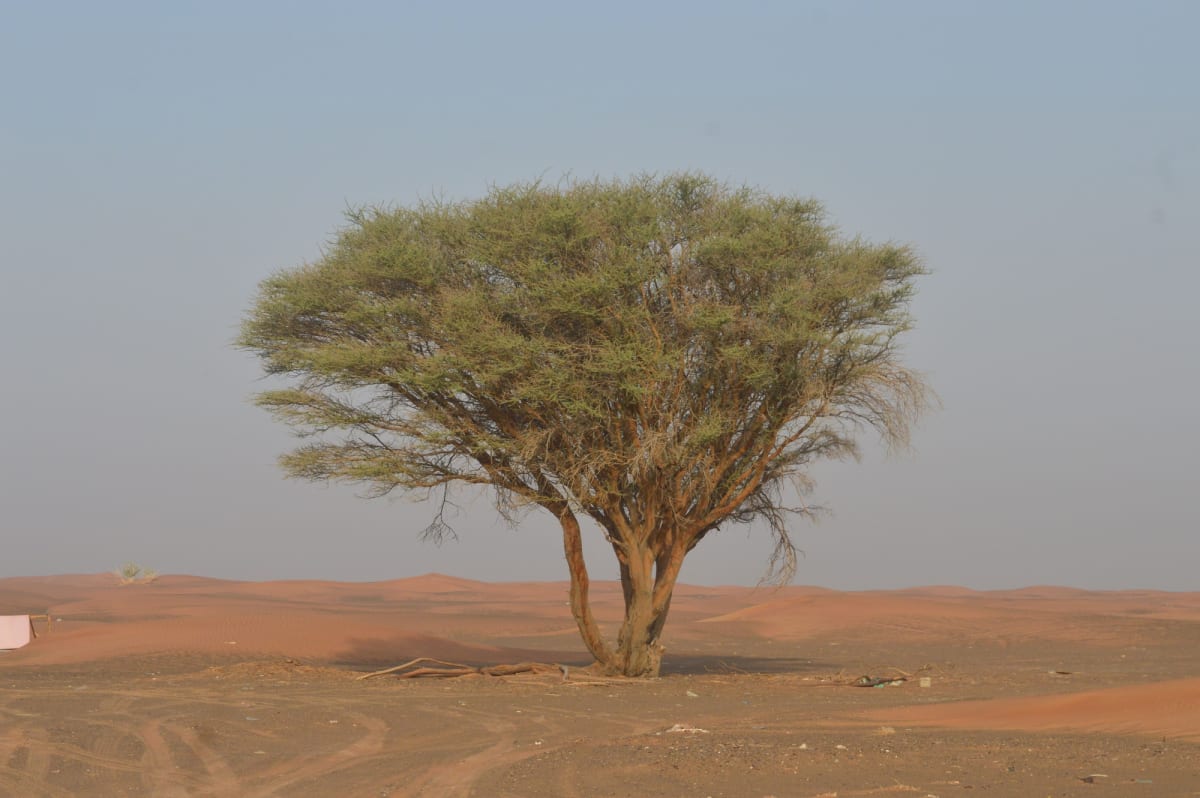
Ladakh Turns 800 Acres of Desert Into Green Land
A groundbreaking project in Ladakh is bringing barren land back to life using simple water techniques. Nearly 800 acres of century-old desert near Spituk village could soon bloom with plants and support farming.
After centuries of lying empty and lifeless, 800 acres of barren land in Ladakh are getting a second chance at becoming green again.
Lieutenant Governor Vinai Kumar Saxena launched an ecological restoration project that uses a surprisingly simple idea: let water do the work. The team is taking excess water from the recently restored Igoo-Phey irrigation canal and spreading it across the degraded landscape using tractors and temporary channels.
Ladakh is one of the driest places in India, receiving less than 100 millimeters of rain each year. The cold desert region depends almost entirely on melting glaciers for water, but that water often rushes away too quickly, causing soil erosion and leaving the ground unable to support life.
The project near Spituk village in Leh aims to change that pattern. By allowing freshwater to spread slowly and soak deep into the soil, the initiative will replenish underground water supplies and trigger natural plant growth without expensive engineering or heavy energy use.
Scientists expect the water to flush out harmful salts, rehydrate dry soil layers, and dissolve nutrients that plants need. Even better, moisture is likely to wake up dormant seeds that have been waiting in the barren soil for years, starting with grasses and hardy shrubs before larger plants take root.
The Ripple Effect
This project could transform life for local communities in ways beyond just greening the landscape. Once the soil improves and plants establish themselves, the restored land could support crop cultivation and livestock grazing, creating new ways for families to earn a living.
The initiative also strengthens soil structure, which helps prevent the wind and water erosion that has been degrading land across the region for generations. As vegetation spreads, it acts like natural glue, holding the earth in place.
The timing aligns perfectly with a national goal. India aims to restore 26 million hectares of degraded land by 2030, and this Ladakh project offers a practical model that other cold desert regions could follow.
The project builds on recent water security wins in the area, including Project Him Sarovar, which created small water bodies to capture snow resources. It also follows the May 15 restoration of the Igoo-Phey Canal, which now irrigates more than 4,300 hectares across several villages.
What makes this project especially promising is its elegance: using water that would otherwise go to waste, requiring minimal technology, and letting nature handle most of the restoration work on its own.
Based on reporting by The Hindu
This story was written by BrightWire based on verified news reports.
Spread the positivity!
Share this good news with someone who needs it