Lagos Community Turns Waste Crisis Into Economic Opportunity
In Lagos' Ajegunle neighborhood, residents are transforming mountains of trash into income while researchers map a path to turn informal recycling into sustainable jobs. What started as a study of waste problems uncovered a thriving grassroots economy ready to scale.
A new study in Ajegunle, a community in Lagos, Nigeria, found something surprising hidden beneath the trash problem: hundreds of families already making money from recycling, and 85% of residents eager to do more.
Researchers from the African Cities Research Consortium surveyed over 400 households and discovered that while two-thirds lack access to formal waste collection, an informal recycling economy has quietly flourished. Some residents earn up to 30,000 naira monthly (about $20 USD) collecting and selling metals, plastics, and electronic waste.
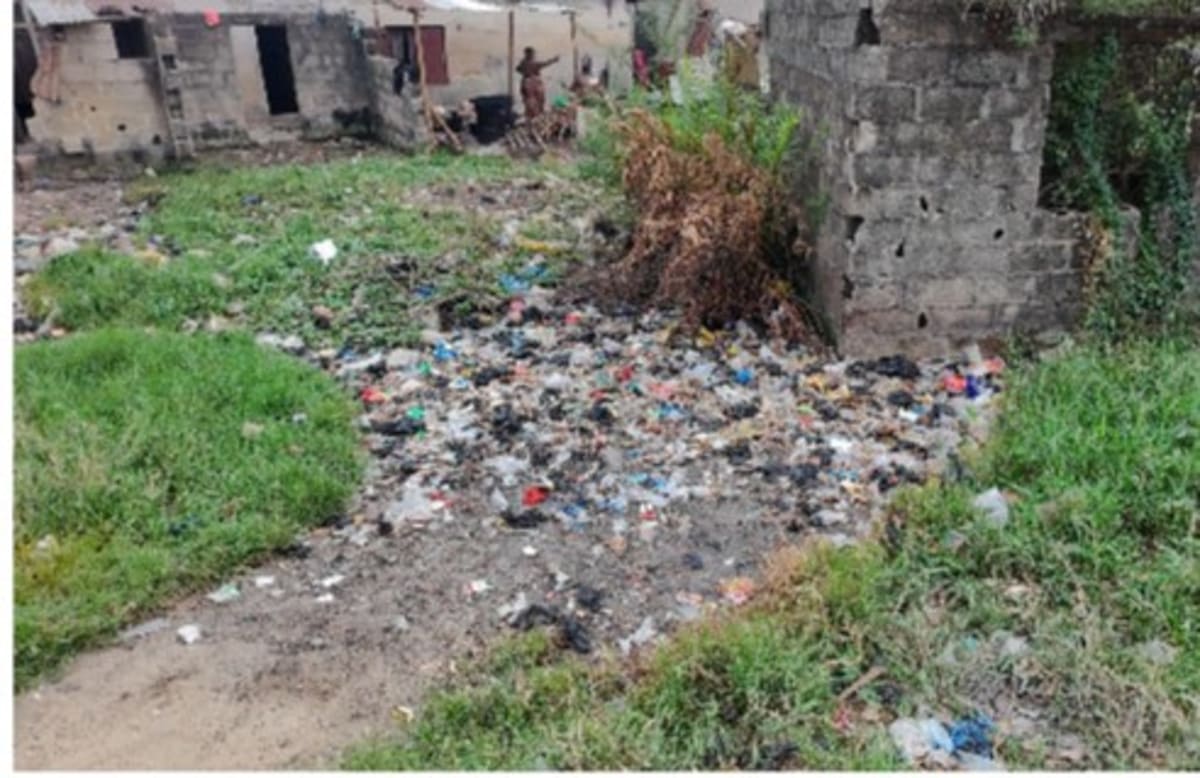
The community faces real challenges. Nearly 80% of households experience flooding linked to blocked drains clogged with waste, and residents report health issues from open dumps near homes and bus stops.
But here's what makes this story different: the community isn't waiting to be rescued. About 70% of households already work with informal recyclers, separating materials and generating income from what others throw away.
The research team, led by Deji Akinpelu from Rethinking Cities, found that plastic waste and food scraps make up the bulk of household trash, generated by 89% and 77% of households respectively. Only 8% currently separate recyclables consistently, but 65% said they want education on proper waste separation.
The Ripple Effect
The findings revealed something powerful: Ajegunle already has the social infrastructure to solve its own problems. Community Development Associations exist, neighbors know each other, and people are willing to participate in solutions.
Akinpelu says the community is "sitting on a powerful foundation for real change." Instead of imposing outside solutions, researchers are now working with local leaders, the Lagos Waste Management Authority, and private companies to build on what's already working.
The next steps include establishing community collection points, launching recycling education programs, and piloting women and youth-led waste enterprises. These aren't charity projects but business opportunities that address flooding while creating jobs.
The full report will guide interventions aimed at transforming Ajegunle into a model for community-driven circular economies, where waste becomes wealth and neighbors become entrepreneurs.
What started as a crisis study became a roadmap for hope, proving that the best solutions often come from the communities who know their challenges best.
More Images


Based on reporting by Premium Times Nigeria
This story was written by BrightWire based on verified news reports.
Spread the positivity!
Share this good news with someone who needs it