Lake George's Salt Crisis: How One Community is Saving Water and Ecosystems
Lake George reveals the hidden environmental crisis of road salt, showing how excessive sodium damages water systems and ecosystems. Their innovative solutions offer a hopeful blueprint for responsible winter management across the United States.
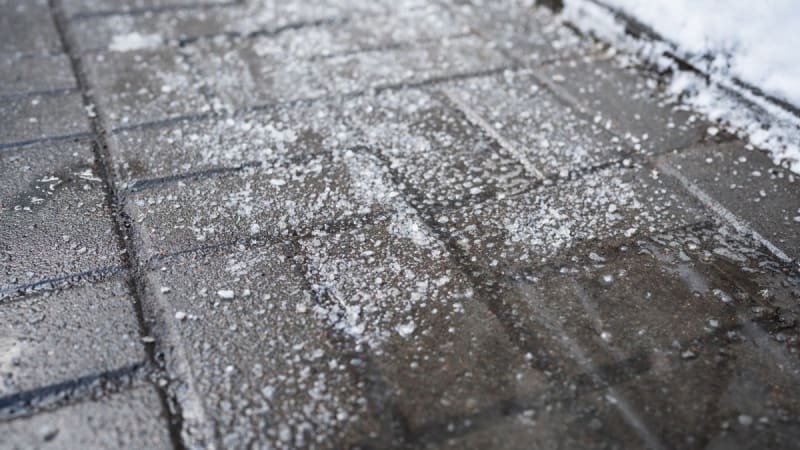
Winter in the northern United States traditionally means sidewalks and driveways blanketed in salt, a seemingly harmless solution to treacherous ice. But a groundbreaking study from the Lake George Association (LGA) reveals a stark environmental warning: our salt obsession is quietly poisoning water systems and delicate ecosystems.
Since 1980, scientists have meticulously tracked chloride levels in Lake George, discovering a shocking threefold increase directly linked to road and sidewalk salt usage. The data tells a critical story - over 60 percent of private wells near state roads now exceed safe sodium levels, creating a hidden water quality emergency that threatens drinking water, plant life, and even household appliances.
Brendan Wiltse, president of the Lake George Association, explains the cascading environmental impact. Not only does excessive salt contaminate groundwater, but it also devastates zooplankton populations - tiny creatures fundamental to aquatic food webs. When these microscopic organisms suffer, entire ecosystems can collapse, creating ripple effects that disrupt everything from algae growth to fish populations.
The risks extend beyond environmental damage. Homes with older lead pipes face additional dangers, as salty water can cause metal leaching - a process similar to what contributed to the Flint, Michigan water crisis. A forthcoming New York City Department of Environmental Protection report warns that if current salt contamination trends continue, some watersheds could become undrinkable by 2108, presenting a long-term public health challenge.
Encouragingly, Lake George is pioneering innovative solutions. The community has adopted "brining" - a pre-storm treatment using just 23 percent salt concentration that prevents ice buildup. They've also developed a Sustainable Winter Management system (SWiM) designed to precisely measure and optimize salt usage, demonstrating that environmental protection and public safety can coexist.
The LGA's collaborative approach, working alongside organizations like the Waterkeeper Alliance and Jefferson Project, offers a blueprint for responsible winter management. By leveraging high-tech data collection, advanced plow technologies, and scientific research, they're proving that reducing salt doesn't mean compromising safety - it means protecting our most precious resources.
As communities nationwide confront similar challenges, Lake George's model provides hope. Their work reminds us that small, intentional changes in our daily practices can have profound environmental impacts, transforming how we think about winter maintenance and water conservation.
Based on reporting by Popular Science
This story was written by BrightWire based on verified news reports.
More Good News
NYC Takes Bold Step: Mandatory Composting Launches to Combat Urban Waste
 💡 Solutions
Vingroup Drives Green Urban Innovation in Uzbekistan and Congo with Ambitious Electric Mobility Plans
 💡 Solutions