Lake Tahoe Drops Pesticides from Forest Restoration Plan
After community concerns, the U.S. Forest Service is skipping herbicides for the next two years in its massive Lake Tahoe reforestation project. The agency will rely on hand thinning and mechanical methods to restore 11,700 acres burned in the 2021 Caldor Fire.
Thousands of acres of burned forest near Lake Tahoe will get a second chance without chemical help, thanks to community voices that pushed for gentler restoration methods.
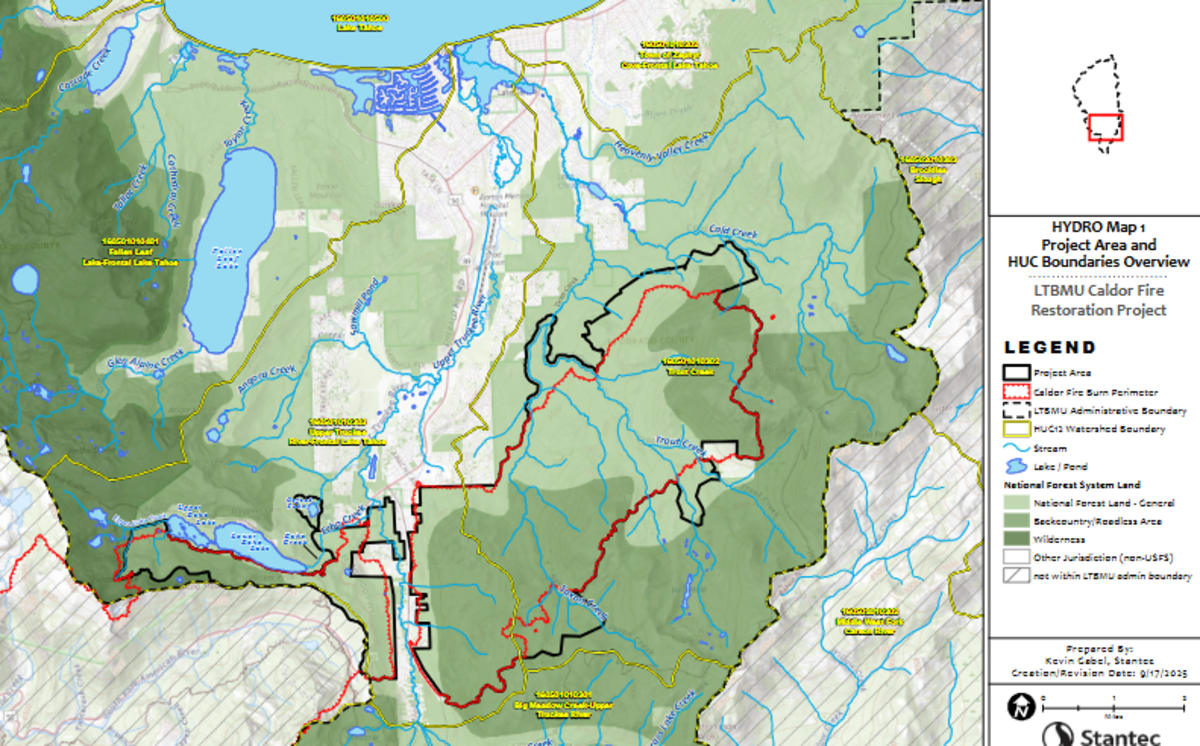
The U.S. Forest Service is restoring 11,700 acres scorched by the devastating 2021 Caldor Fire, which consumed more than 220,000 acres around Lake Tahoe. The ambitious project covers areas near popular spots like Heavenly Mountain Resort, Sierra-at-Tahoe, and the town of Meyers.
Originally, the plan included using glyphosate herbicide on up to 3,600 acres to control competing vegetation that can choke out newly planted trees. But after public feedback during the environmental review, the Forest Service changed course.
For the next two seasons, crews will stick to manual and mechanical methods instead. That means hand-pulling invasive plants, ground-based mechanical thinning on 2,620 acres, and hand thinning on another 2,420 acres.
The Tahoe Regional Planning Agency had encouraged these alternatives during the scoping process, raising concerns about herbicide use near sensitive waterways. Upper Echo Creek, Saxon Creek, Trout Creek, the Upper Truckee River, and Osgood Swamp all flow through the restoration area.
While glyphosate is widely used across Western forests after wildfires and doesn't leave lasting residue in soil, its potential use in such an ecologically precious area sparked passionate community response. The Forest Service listened.
The Bright Side
This decision shows how public engagement can shape environmental decisions for the better. Agencies and communities don't have to be at odds when restoring damaged landscapes.
The Forest Service retains the option to use herbicides in future years if manual methods prove insufficient, but only with strict water quality protections and environmental safeguards in place. TRPA regulations discourage terrestrial herbicides while allowing them if they meet rigorous requirements.
For now, the focus stays on putting shovels in the ground and hands in the dirt. Bringing back a healthy forest after such devastating loss takes patience, care, and sometimes listening to the people who love these mountains most.
More Images


Based on reporting by Google News - Reforestation
This story was written by BrightWire based on verified news reports.
Spread the positivity!
Share this good news with someone who needs it