Landfill Becomes Solar Farm Powering 1,000 Virginia Homes
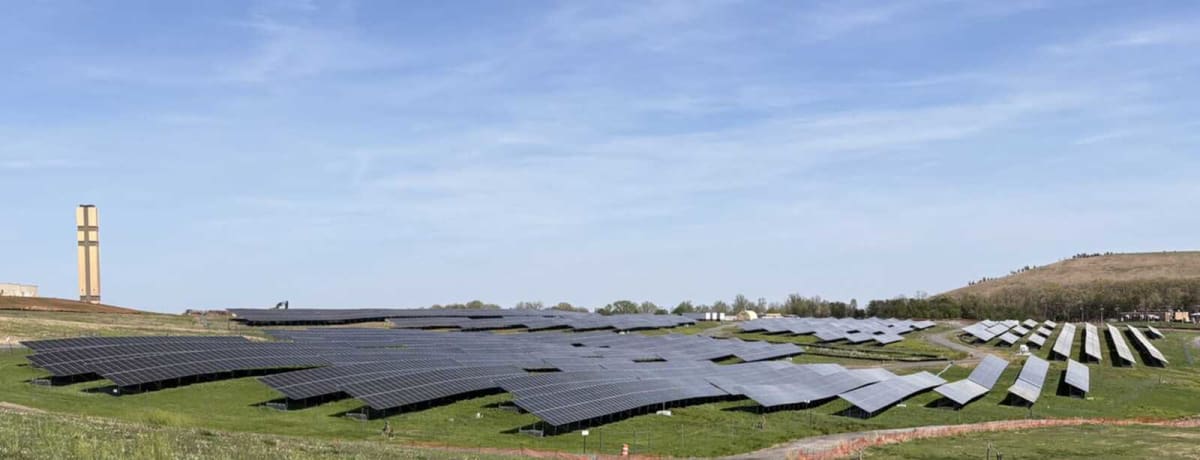
A former dump in Fairfax County, Virginia, now hosts the region's largest solar array, transforming 37 acres of closed landfill into clean energy for the community. The project will save taxpayers $12 million over 30 years while slashing carbon emissions.
Trash turned to treasure takes on new meaning in Fairfax County, where a shuttered landfill just became a 5-megawatt solar powerhouse.
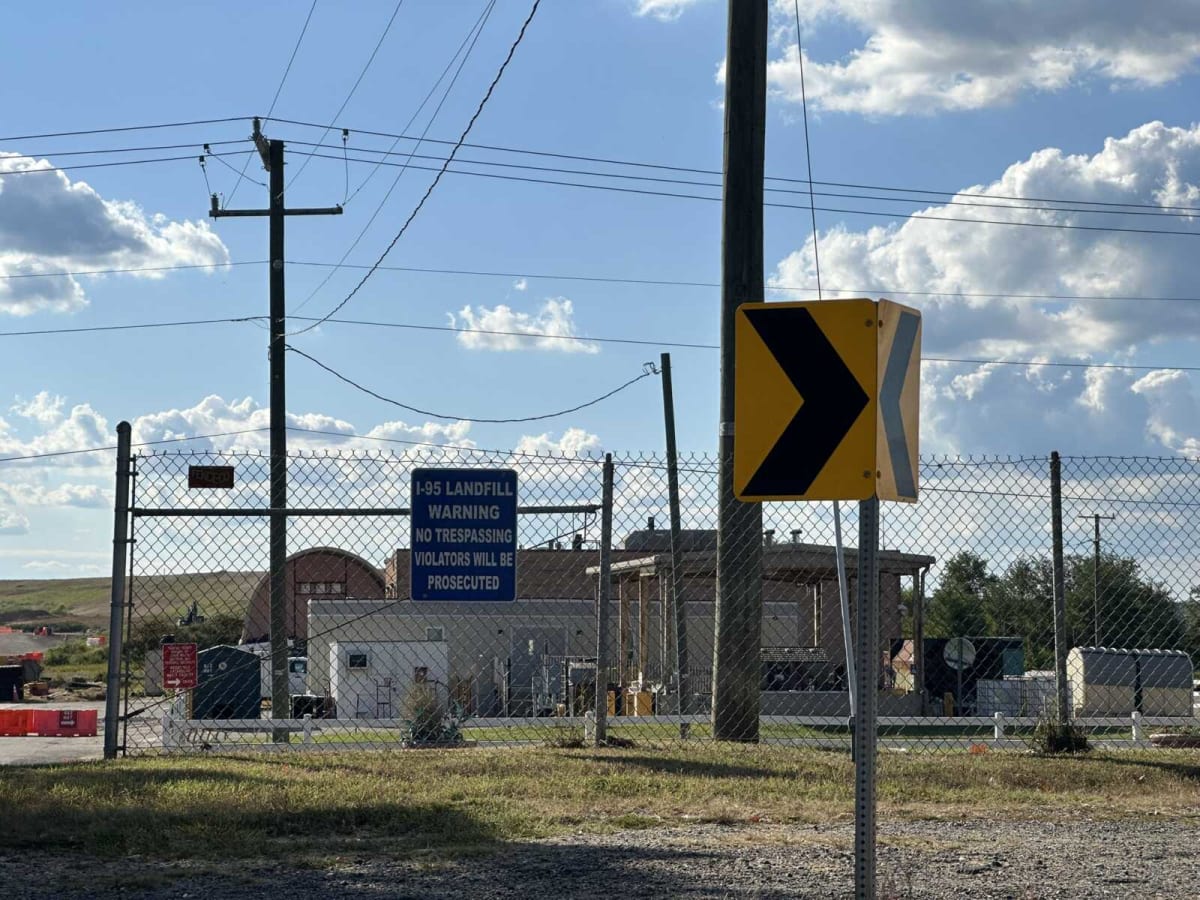
After a year of construction, 37 acres of the closed I-95 Landfill Complex in Lorton now gleam with solar panels instead of garbage. The array generates enough electricity annually to power approximately 1,000 homes.
The transformation marks a creative win for both the environment and taxpayers. Under a 30-year agreement with developer Madison Energy Infrastructure, the county will save an estimated $12 million in energy costs while the company handles all construction, operation, and maintenance.
"This is proof that climate action and fiscal responsibility can go hand in hand," said John Morrill, director of Fairfax County's Office of Environmental and Energy Coordination. "We're cutting energy costs for taxpayers, strengthening our energy supply, and creating a model for future clean energy projects."
The landfill stopped accepting municipal waste in 1995 when Fairfax County acquired it from Washington, D.C. County officials eyed the closed section for solar potential since 2017, but needed state approval through the Solar Freedom Act in 2020 to move forward.
The Ripple Effect
This solar farm represents just one piece of Fairfax County's clean energy success story. The county now operates solar panels on 13 buildings and has surpassed its 2030 solar goal six years early with over 5,600 installations generating 49 megawatts across public and private property.
The expanded solar network has helped slash greenhouse gas emissions by 28% since 2005, equivalent to removing 4.2 million metric tons of carbon from the atmosphere. The I-95 array alone will prevent an estimated 136,000 metric tons of carbon emissions over its lifetime.
The county has gotten creative with its closed landfill space. It already captures methane gas from decomposing waste and converts it to energy while managing bird habitats and installing rooftop solar on administrative buildings.
Other communities watching Fairfax's experiment may find hope in turning their own dormant landfills into productive clean energy sites. The model proves that land once considered used up can fuel a sustainable future.
More Images

Based on reporting by Google News - Clean Energy
This story was written by BrightWire based on verified news reports.
Spread the positivity!
Share this good news with someone who needs it