Laser Powers Robot for 24 Hours in World-First Test
A warehouse robot just ran for 24 hours straight on electricity beamed through the air by laser, shattering two world records. The breakthrough could mean drones and robots that never need battery changes.
Imagine a robot that never stops to recharge. That future just got a lot closer.
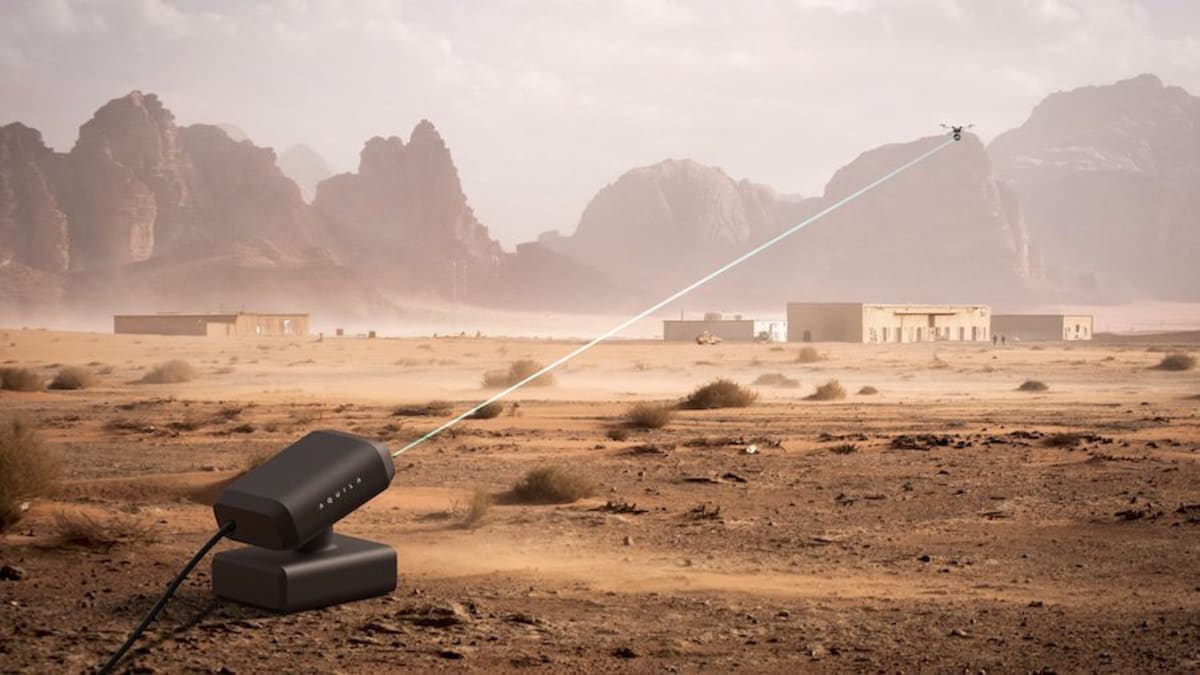
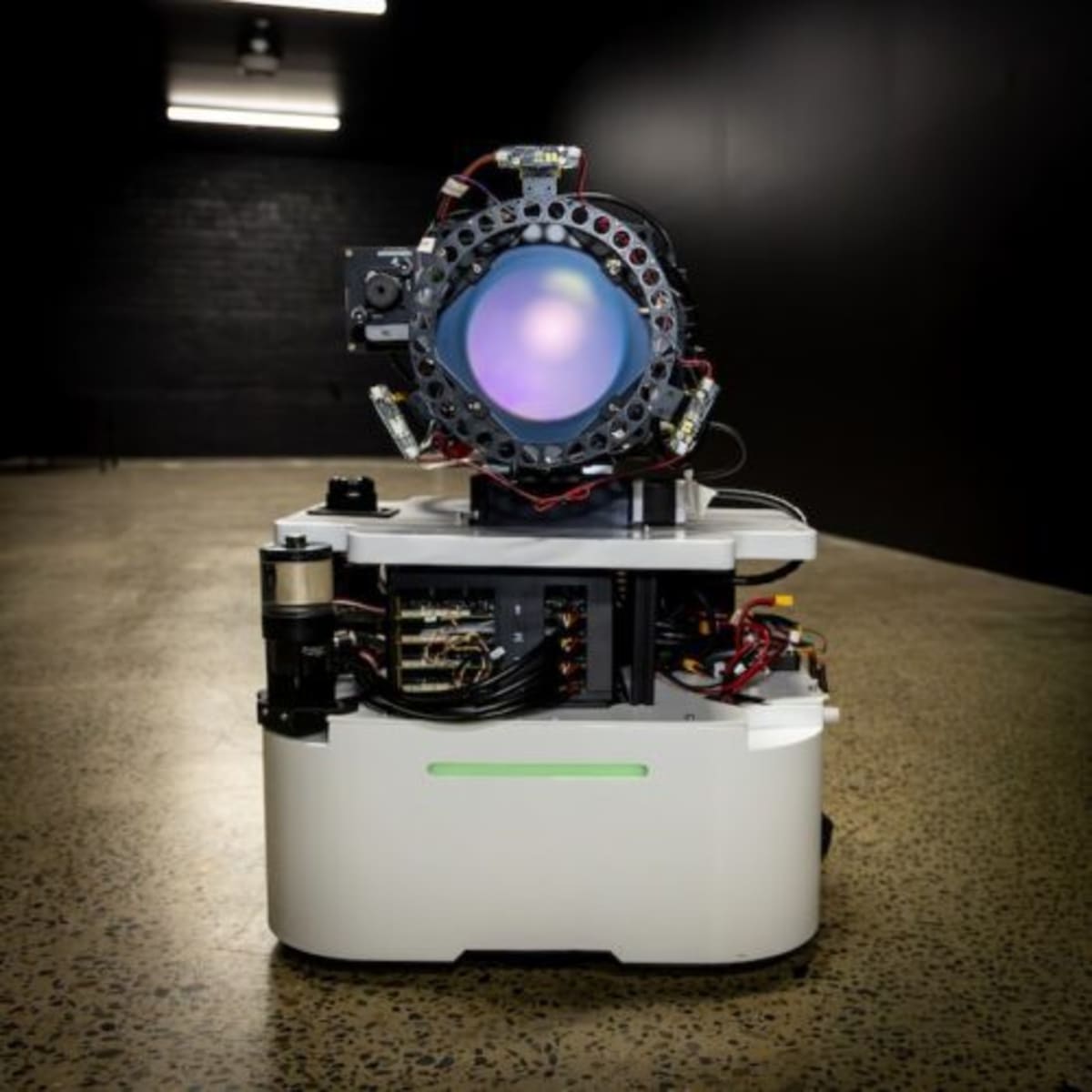
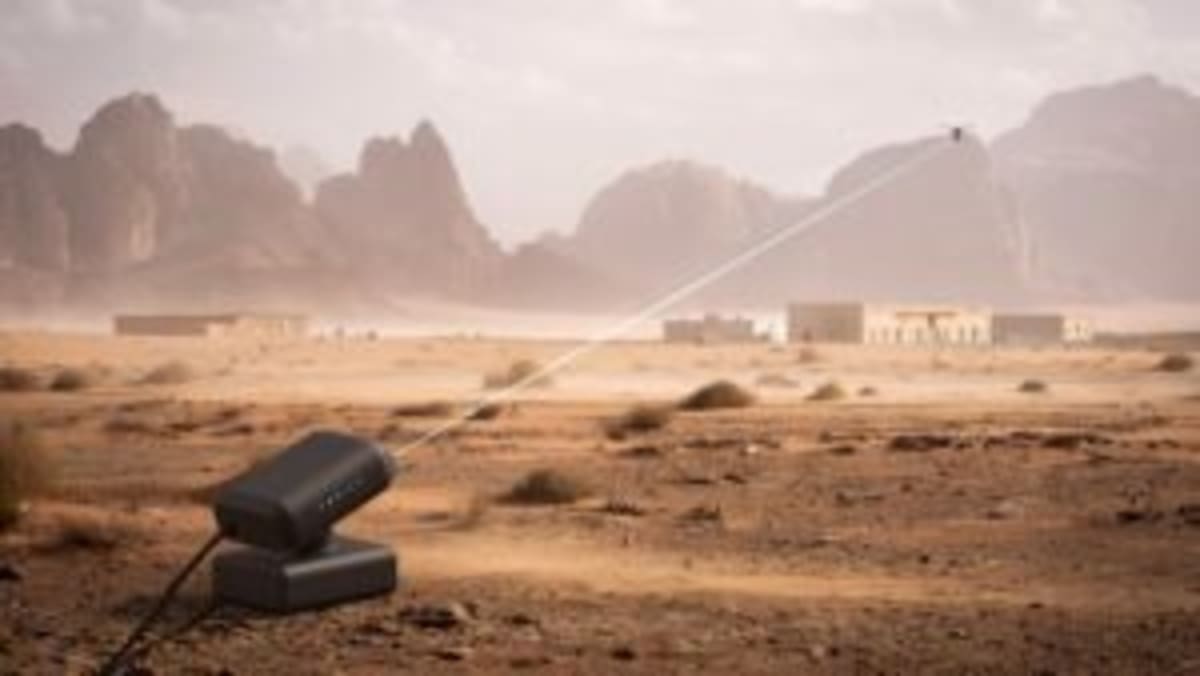
Aquila Earth, an Australia-based company, just powered a warehouse robot for 24 hours using only a laser beam to wirelessly deliver electricity through space. The robot traveled 25 kilometers on light alone, setting two world records for wireless power transfer.
The laser delivered a steady 4 kilowatt hours of electricity to a receiver mounted on the moving robot. No charging breaks. No battery swaps. Just continuous power beamed through the air like an invisible extension cord.
"It's the most power that has ever been delivered to a dynamic platform," says CEO Ruby Jones. "Nobody else has ever done it with that much power in power beaming, ever."
The technology works surprisingly like science fiction, except it's completely real. A laser acts as a wireless power cable, constantly feeding electricity to machines as they move. If anything unexpected enters the beam's path, the system automatically shuts off for safety.
Aquila started testing this technology in December with airborne drones, delivering 500 watts of power. This warehouse robot test proves the system can handle eight times more power over much longer periods.
The timing couldn't be better. When Aquila launched in 2022, the lasers they needed cost $120,000. Today, the same equipment runs about $6,000. That dramatic price drop makes commercial use actually feasible.
Jones says the goal is simple: perpetual drones and robots that don't rely on heavy batteries with limited life spans. Factories could run autonomous machines 24/7 without stopping for recharges. Delivery drones could stay airborne for hours instead of minutes.
The Ripple Effect
The company already has partnerships lined up with major drone manufacturers looking to keep quadcopters flying longer. Fixed wing drones can travel farther, but they carry less cargo and need more complex setups. Laser power could give quadcopters the endurance they've always lacked.
Adding the technology to existing machines is straightforward. Operators just need the laser system and a receiver that attaches to the device like a battery pack. The difference is this battery never runs out.
Aquila plans to bring laser power systems to market by 2027. While competitors like Mitsubishi Heavy Industries are working on similar technology, and SpaceX has proposed beaming power from space, Jones believes ground-based systems make more practical sense. Space-based equipment faces astronomical launch costs, maintenance nightmares, and constant solar radiation damage.
The applications stretch beyond warehouses and deliveries. Any industry using autonomous vehicles or machines could benefit from wireless power that never quits. Mining operations in remote areas. Agricultural drones monitoring vast farms. Emergency response robots working disaster sites.
What started as an expensive experiment just three years ago is rapidly becoming tomorrow's solution to our battery limitations.
More Images

Based on reporting by Google News - Tech Breakthrough
This story was written by BrightWire based on verified news reports.
Spread the positivity!
Share this good news with someone who needs it