Laser Tech Helps Scientists Save Rare Speartooth Sharks
Australian researchers are using laser technology to unlock precise age and environmental data from endangered speartooth sharks, revolutionizing how we protect vulnerable species. With fewer than 2,500 adults left in the wild, this breakthrough could transform conservation efforts.
Scientists just figured out how to use laser beams to save one of the world's rarest sharks, and the results could help protect countless other endangered species.
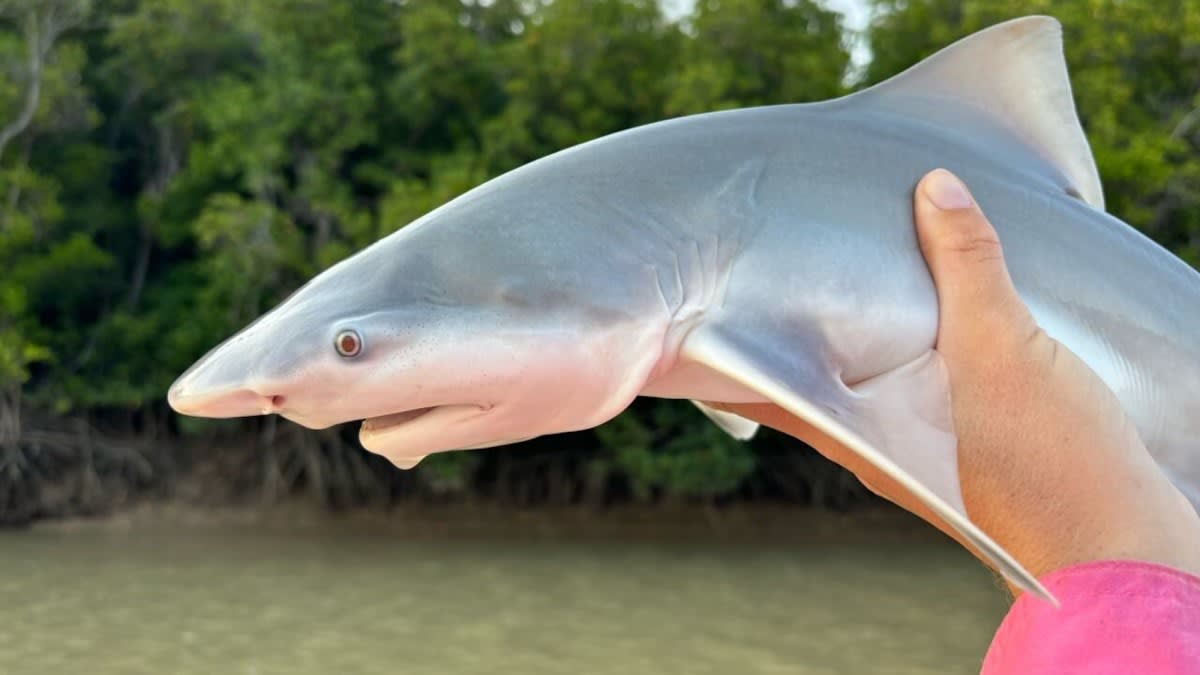
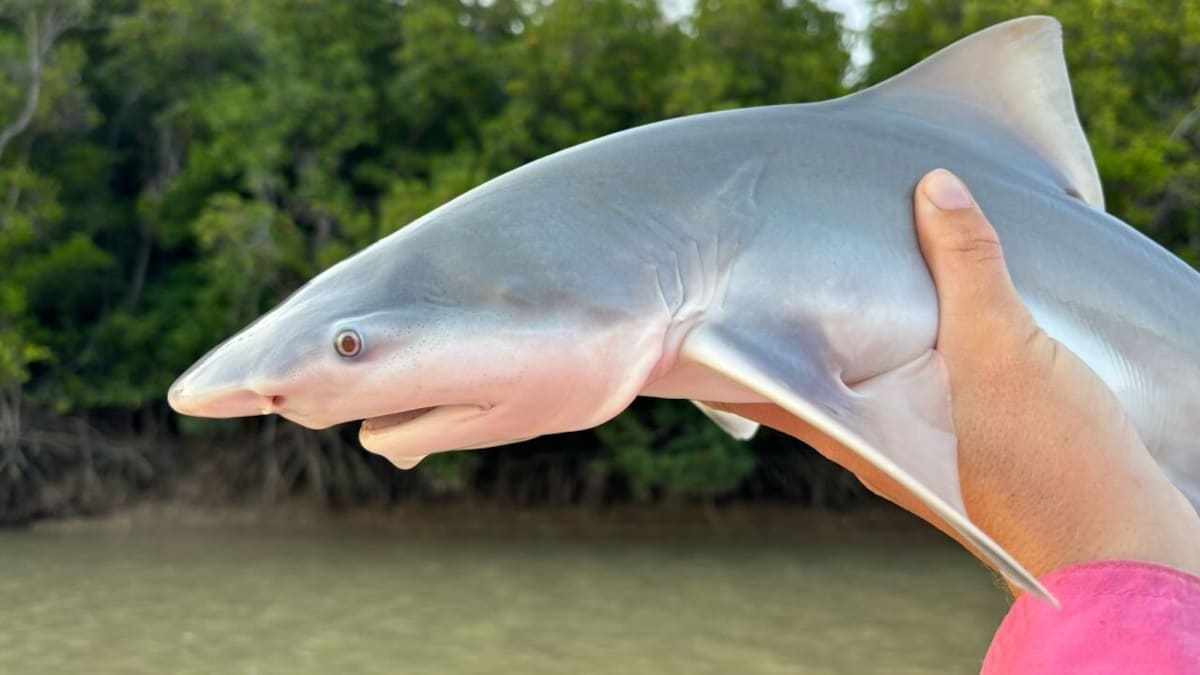
Researchers at the University of Melbourne discovered that combining lasers with geochemistry reveals far more accurate information about the critically vulnerable speartooth shark than traditional methods ever could. These snub-nosed sharks, which grow to about 8.5 feet long, live only in the rivers and estuaries of Australia and Papua New Guinea.
For decades, scientists counted rings in shark vertebrae much like counting tree rings, assuming each band represented one year of life. Earth scientist Brandon Mahan and his team proved that method was wrong.
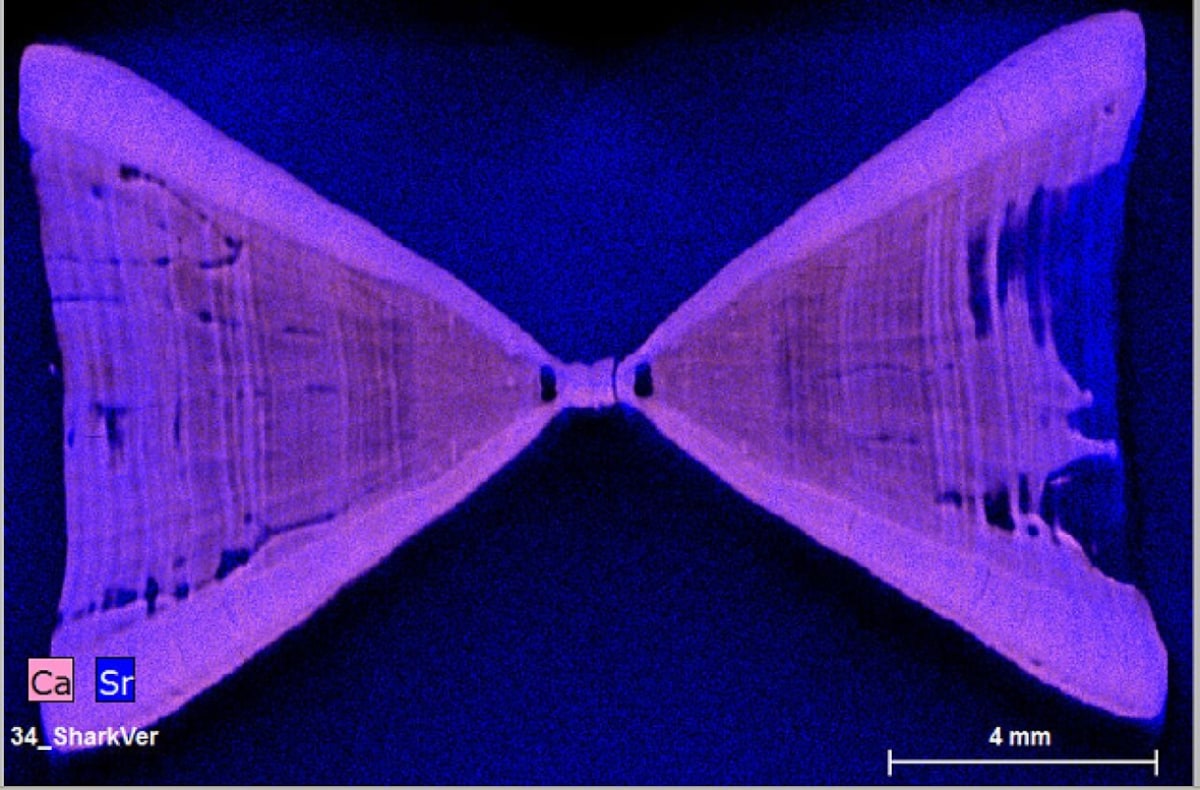
Their solution sounds like something from a sci-fi movie. They aim focused laser beams at shark vertebrae, converting tiny samples into aerosol that a mass spectrometer can analyze at the molecular level.
The technique revealed something remarkable about the speartooth shark's story. As sharks grow, their bones absorb strontium from the water around them, creating a chemical timeline that links directly to wet and dry seasons in their habitat.
This means every vertebra becomes a diary, recording not just how old a shark is, but where it lived and what its environment was like throughout its entire life. The researchers collected their samples only from sharks that died naturally or were caught accidentally by fishermen.
The Ripple Effect
Getting shark ages right matters more than you might think. Conservation strategies depend on knowing whether populations are healthy, how fast sharks mature, and how long they live.
The old counting method gave scientists fuzzy estimates. This laser approach delivers precision, which means better decisions about protecting critical habitats and managing threatened populations.
The technology already exists in other fields like archaeology and pollution tracking. Now marine biologists can borrow these tools to save species teetering on the edge of extinction.
Best of all, this isn't just about speartooth sharks. The team believes their interdisciplinary approach will work for many other animals facing similar threats.
With only 2,500 speartooth sharks left, every conservation decision counts, and now scientists finally have the accurate data they need to make those calls.
More Images

Based on reporting by Google: species saved endangered
This story was written by BrightWire based on verified news reports.
Spread the positivity!
Share this good news with someone who needs it