Latvia Hits 1 GW of Solar Power, Years Ahead of Schedule
A small Baltic nation just proved big climate wins are possible, reaching a major solar milestone years earlier than expected. Latvia's solar capacity exploded from nearly zero to 1 gigawatt in just four years.
Latvia just became the latest country to prove that rapid renewable energy transformation isn't just a dream. The Baltic nation reached 1 gigawatt of solar capacity in 2025, achieving what many thought would take until the end of the decade.
The country added 258 megawatts of solar panels in 2025 alone, following a record 356 megawatts the year before. That's enough new solar in two years to power hundreds of thousands of homes.
What makes this story remarkable is the speed. Latvia's solar market barely existed before 2022, when rising electricity prices motivated residents and businesses to take energy into their own hands. In just four years, the country went from a solar afterthought to a renewable energy success story.
Nearly 25,000 homeowners now generate their own electricity through rooftop solar panels, with 95% belonging to private individuals. The government sweetened the deal by offering grants for residential installations, and recently expanded support to include battery storage systems.
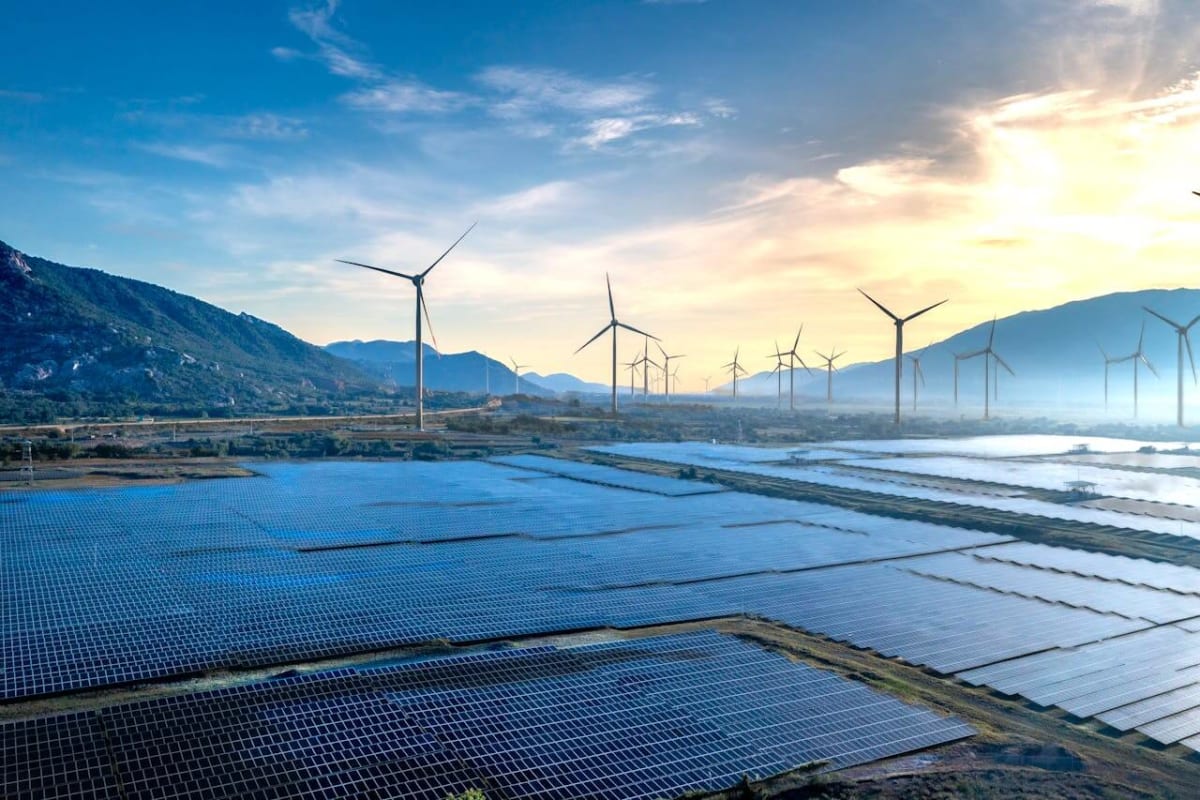
But the real excitement is happening at larger scales. A massive 94 megawatt solar farm came online in 2025, and Lithuania's Green Genius just switched on a 120.8 megawatt project this month, the largest single solar site in the entire Baltic region. Several projects above 100 megawatts are currently under development.
Gatis Macāns, Executive Director of the Latvian Renewable Energy Alliance, predicts the country could add another 500 megawatts in 2026. If he's right, Latvia will blow past its 1.3 gigawatt target years ahead of schedule.
The Ripple Effect
Latvia's solar success is creating waves beyond just clean energy. Heating companies are now exploring solar to reduce costs, opening new partnership opportunities. The government approved a €26.8 million grant program in February to help apartment residents, local governments, and agencies install solar panels, battery storage, and heat pumps.
The country is also laying groundwork for future growth by developing its power purchase agreement market, which would let businesses buy renewable energy directly from producers. Macāns even sees potential in agrivoltaics, where farmland doubles as solar farms, giving farmers fixed income while still growing crops.
The math is encouraging: Latvia would need only 0.3% of its land to build 3 gigawatts of solar capacity. For a small nation sandwiched between larger neighbors, that's a powerful statement about energy independence and climate action within reach.
Latvia's story proves that determined countries can transform their energy systems in just a few years, not decades.
More Images


Based on reporting by PV Magazine
This story was written by BrightWire based on verified news reports.
Spread the positivity!
Share this good news with someone who needs it