Learning to Read Physically Rewires How Your Brain Hears
Reading doesn't just teach you to decode words on a page. A new brain imaging study reveals it fundamentally changes how your brain processes all sounds, even in languages you've never heard before.
Learning to read creates a superpower you didn't know you had: the ability to break down unfamiliar sounds with precision, even when they carry no meaning at all.
Researchers at the University of São Paulo discovered that adults who learned to read activate a specific brain region when processing unknown sounds that non-readers never use. The difference shows up clearly on brain scans and dramatically affects performance on listening tasks.
The team led by cognitive neuroscientist Mariana P. Nucci tested 59 adults in three groups: young educated adults, older educated adults, and older adults who never learned to read beyond recognizing basic signs. All participants listened to stories in Portuguese, their native language, and in Japanese, which none of them spoke.
When listening to Portuguese, everyone performed similarly. The non-readers caught target words about 90 percent of the time, nearly matching their educated peers.
Japanese told a completely different story. Without context or meaning to guide them, the non-readers caught target words just 17 percent of the time. Educated older adults hit 48 percent, while young educated adults reached 75 percent.
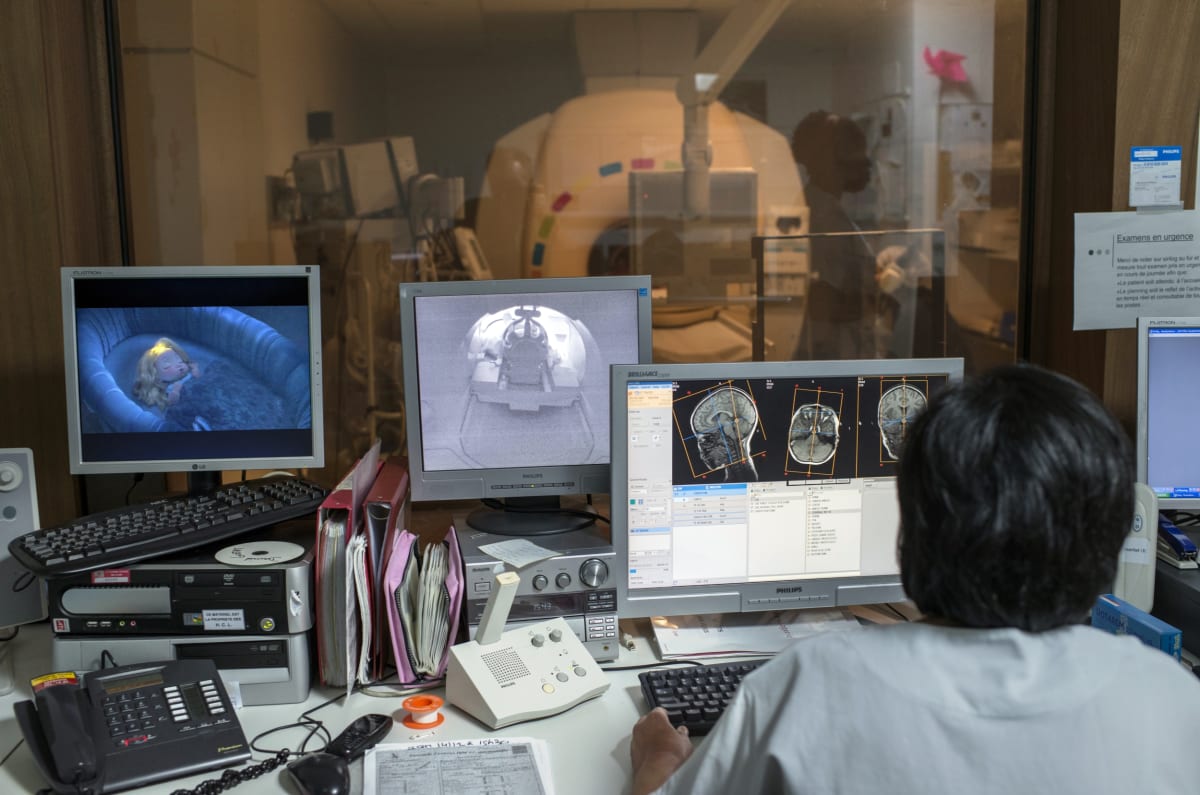
Brain scans revealed why. During the Japanese task, educated adults activated the right inferior frontal gyrus, a region near the temple that applies deliberate sound analysis. Non-readers showed zero activity there.
The difference comes down to phonological awareness, the ability to break words into component sounds and manipulate them consciously. Reading instruction builds this skill systematically through sounding out words, recognizing rhymes, and analyzing syllables.
Speaking a language naturally doesn't create the same neural wiring. You can be fluent without ever developing the explicit sound-processing tools that reading demands.
Why This Inspires
This research reveals something remarkable about human potential. The simple act of learning to read doesn't just unlock books. It fundamentally expands your brain's capacity to process the auditory world around you.
The finding matters especially for the 773 million adults worldwide who lack basic literacy skills. Reading education isn't just about accessing information. It's about building cognitive tools that enhance how you navigate sound itself, whether you're learning new languages, catching unfamiliar names, or processing complex audio in any context.
The study had limitations, including a small sample of non-readers and the reality that education often travels alongside better nutrition and less chronic stress. But the specific, measurable brain difference that correlates directly with reading ability points to something real and trainable.
Your brain remains remarkably plastic, capable of building new processing pathways that extend far beyond the skill you set out to learn.
Based on reporting by Optimist Daily
This story was written by BrightWire based on verified news reports.
Spread the positivity!
Share this good news with someone who needs it