Lebanon and Israel Take First Steps Toward Lasting Peace
Lebanese and Israeli forces are working together on a groundbreaking peace framework, marking the first direct cooperation between the nations in decades. President Joseph Aoun's historic visit to Washington signals hope for stability in a region torn by conflict.
After months of devastating conflict, Lebanon and Israel are taking concrete steps toward peace through a U.S.-brokered agreement that's already changing lives on the ground.
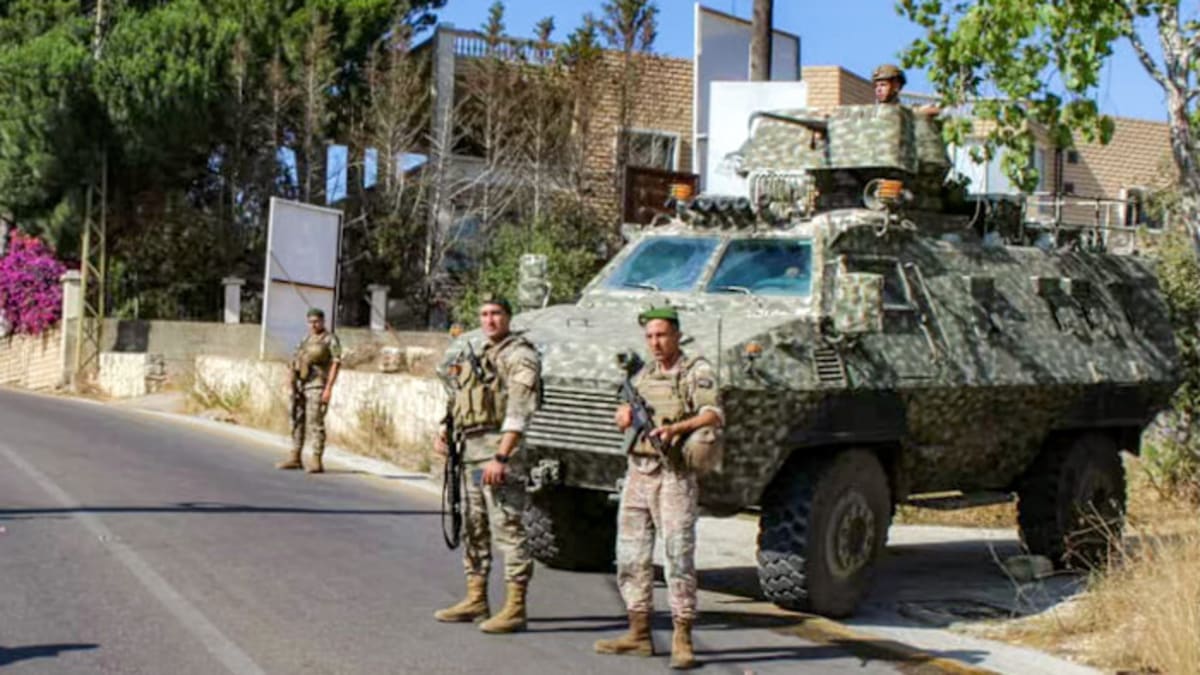
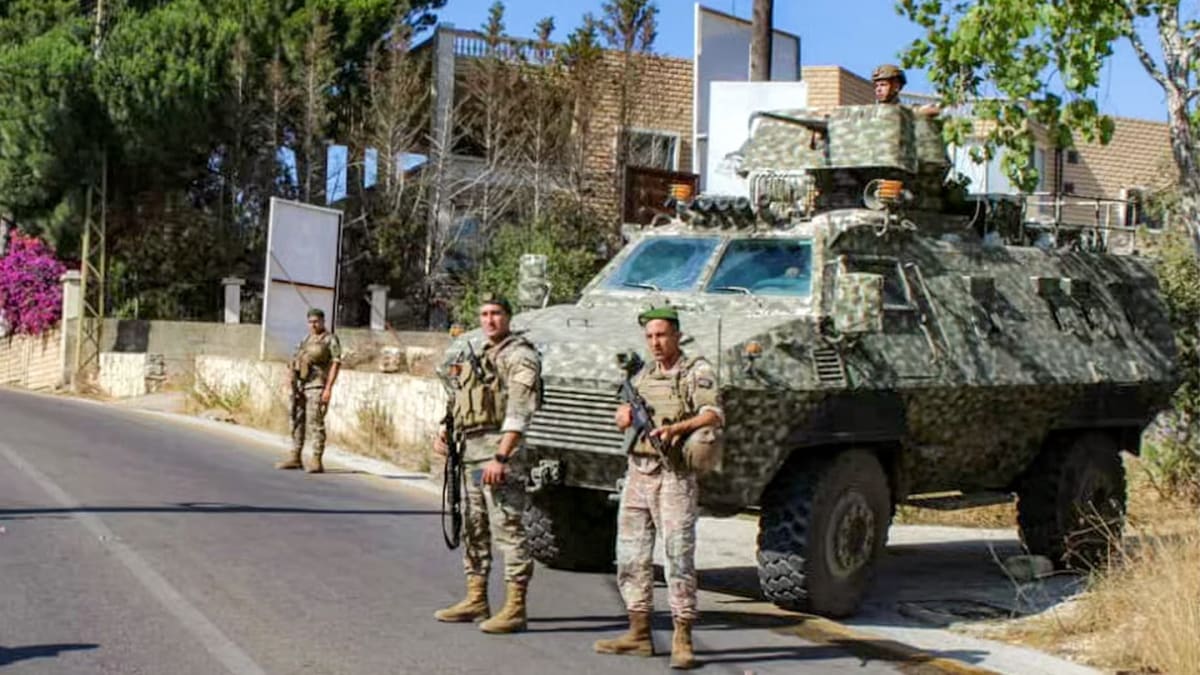
Lebanese troops began deploying in three "pilot zones" this week, villages where Lebanon's army will have sole control as Israeli forces gradually withdraw. The villages of Froun, Srifa, and West Zawtar represent the first test of a historic framework agreement signed last month between the two nations after several rounds of direct talks.
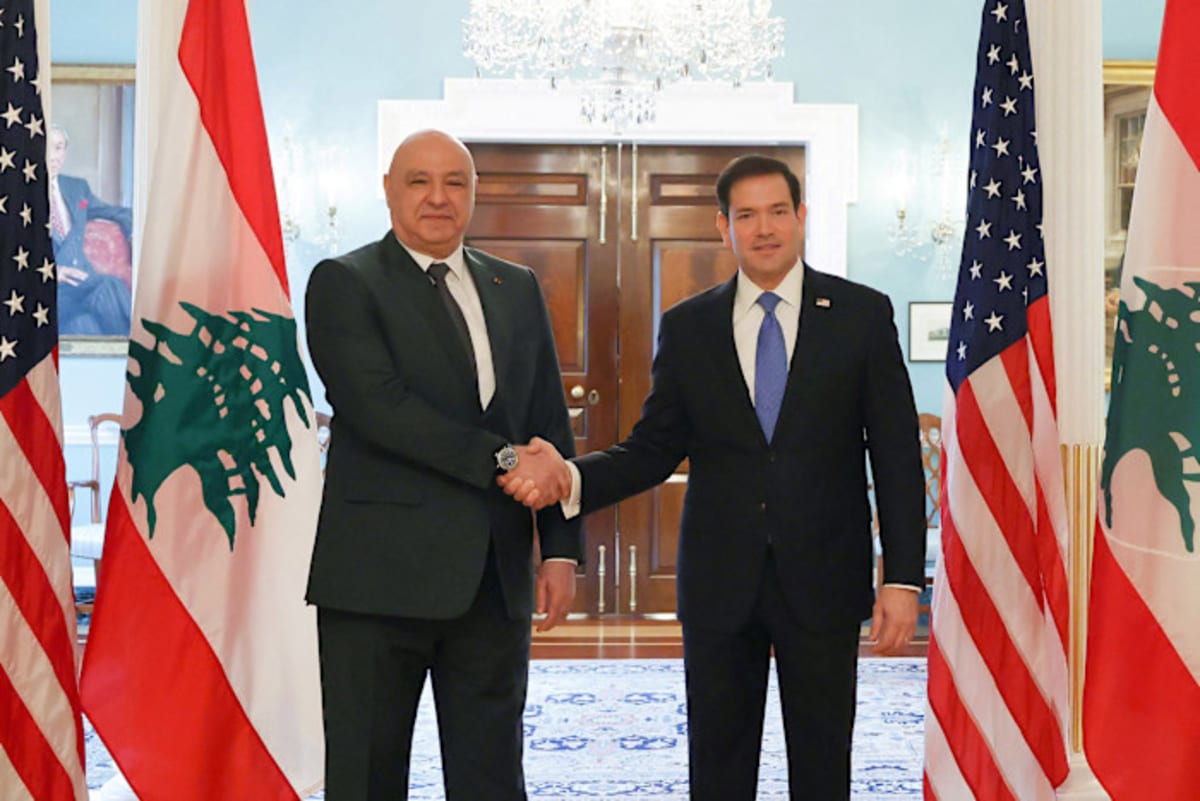
President Joseph Aoun arrived in Washington for his first official visit as Lebanon's leader, meeting with President Trump to discuss the next phases of the peace deal. It's the first time a Lebanese head of state has visited Washington in nearly two decades, signaling a major shift in regional diplomacy.
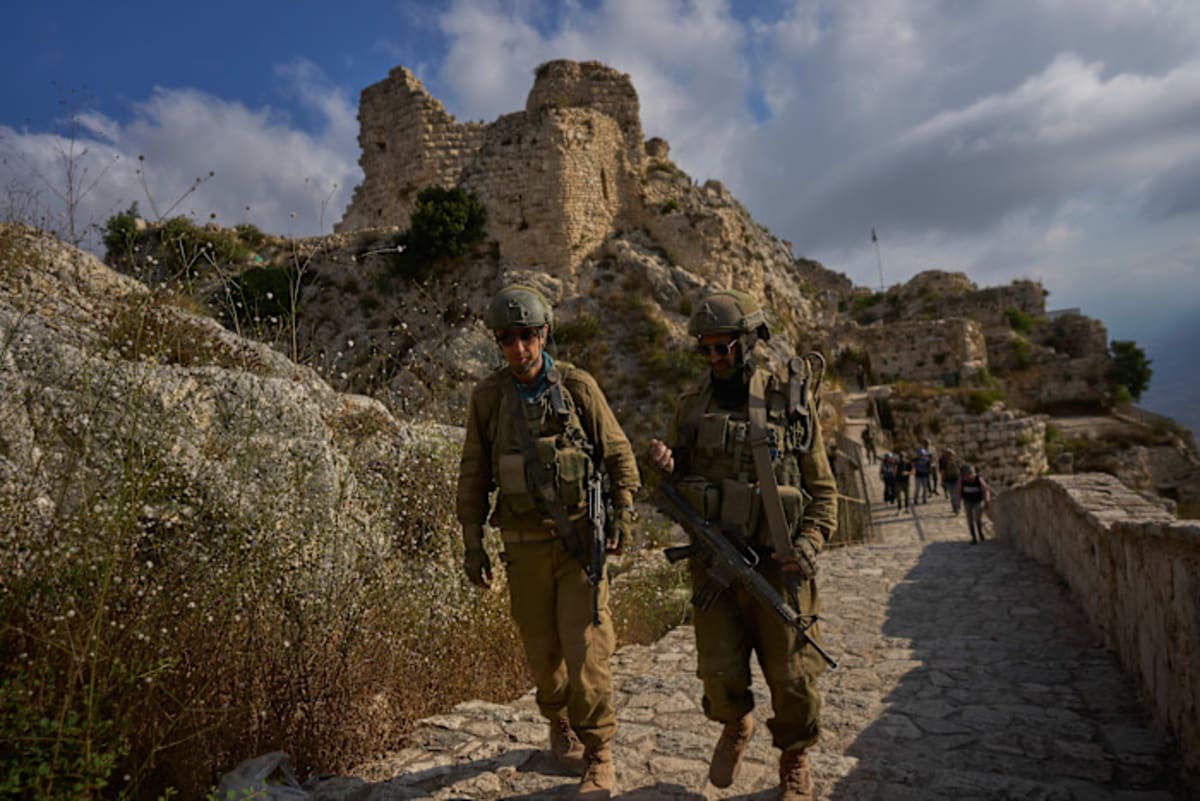
The agreement emerged from unprecedented direct negotiations between Lebanon and Israel, with the United States serving as broker. While details are still being finalized, the framework creates a clear pathway for Israeli military withdrawal and establishes Lebanon's army as the sole security authority in southern Lebanon.
The pilot zone program is designed as a progressive test. Lebanon's armed forces demonstrate control in these initial villages, building trust and creating a model for broader deployment across the south.
More than one million Lebanese people were displaced during recent fighting, and entire villages were destroyed. The ceasefire has allowed the worst of the violence to subside, though hundreds of thousands still cannot return home due to ongoing occupation and damage.
The Ripple Effect
Aoun, 62, spent his career as a soldier and commander of Lebanon's army before becoming president last year. His government represents a break from years of political gridlock, bringing fresh hope for stability in a country that has endured economic collapse and political crisis.
The U.S. has long supported Lebanon's armed forces, and American officials are now on the ground as part of a Military Coordination Group working alongside Lebanese and Israeli commanders. This three-way cooperation would have been unimaginable just months ago.
Lebanese troops have already begun securing weapons caches in the south, demonstrating their commitment to becoming the region's sole security authority. Each successful deployment in the pilot zones builds momentum for the next phase of withdrawal and normalization.
The framework doesn't just offer a path to end immediate conflict. It creates infrastructure for lasting peace through verification mechanisms, coordination groups, and progressive trust-building measures that give all parties confidence in the process.
For a region where hope has been scarce, watching Lebanese and Israeli forces coordinate withdrawal schedules represents something powerful: proof that even the deepest conflicts can find pathways to resolution.
More Images
Based on reporting by Google News - Peace Agreement
This story was written by BrightWire based on verified news reports.
Spread the positivity!
Share this good news with someone who needs it