Lebanon's Digital Aid Reaches 1M Displaced in Hours
When Lebanon's banks froze and war displaced over a million people, digital wallets stepped in to deliver emergency aid instantly. Grassroots organizers are now moving millions in donations through apps, reaching families faster than traditional systems ever could.
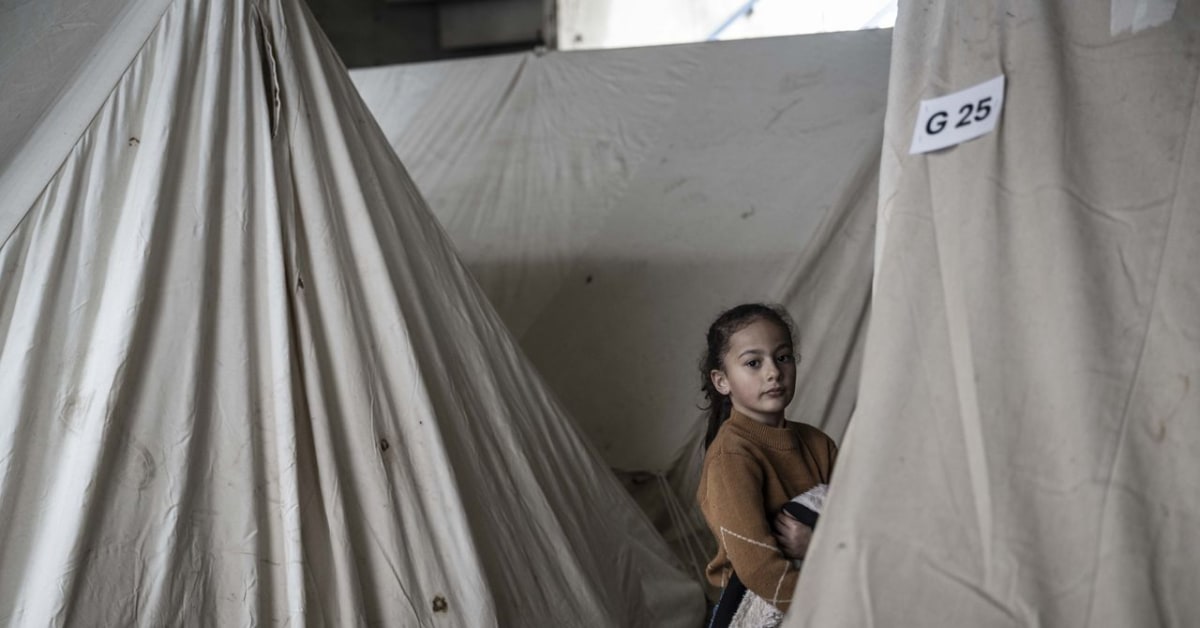
When traditional banks fail during a crisis, people find their own way forward. In Lebanon, where over a million people have been displaced by conflict and financial collapse has frozen bank accounts, digital wallets are keeping families fed and sheltered.
The numbers tell a remarkable story of adaptation. Lebanese lawyer Jad Essayli raised $65,125 in just 10 days using only social media and digital transfers. His story isn't unique—across Lebanon, former colleagues, friends, and grassroots organizers are collecting donations abroad and distributing them instantly through platforms like Whish Money, PayPal, and Venmo.
This shift matters because Lebanon's traditional aid infrastructure simply stopped working. Banks froze deposits and restricted withdrawals during the country's financial collapse. Families who once relied on wire transfers or cash deliveries now receive money in digital wallets they can spend immediately.
Whish Money, a platform that started by digitizing gift cards in 2007, now serves over 2 million users across 110 countries. The company's chairman, Toufic Koussa, says transaction patterns reveal the crisis's human impact. Grocery bills that were $200 are now climbing higher as families stock up on essentials, uncertain about tomorrow.
The platform connects directly to US banking infrastructure, letting diaspora families send money home without the 11 percent fees that Lebanese remittances typically carry. For a country that receives $6 billion to $7 billion annually in remittances—about a third of its GDP—cutting those fees makes a real difference.
The Ripple Effect
What started as emergency relief is reshaping how aid moves globally. When 1.4 billion people worldwide remain unbanked, Lebanon's crisis proves that digital wallets can reach them faster than traditional systems. Trust in Lebanese government institutions has collapsed, but peer-to-peer networks are filling the gap.
These informal networks aren't unregulated chaos. Koussa emphasizes that all transactions go through anti-money laundering monitoring and recipient vetting. The challenge is balancing speed with safeguards—getting help to displaced families quickly while ensuring funds reach their intended destination.
The system works because it's built on personal accountability. Organizers share photos of receipts, document purchases, and update donors in real time. This transparency creates trust that formal institutions lost years ago.
For displaced families sheltering with relatives, renting temporary rooms, or sleeping in cars, the difference between waiting days for a wire transfer and receiving funds instantly can mean the difference between eating and going hungry. Digital wallets aren't just convenient—they're keeping people alive.
Lebanon's experience offers a blueprint for crisis response worldwide: when formal systems fail, empower people to help each other directly, give them the tools to move money instantly, and trust networks will form around need.
More Images




Based on reporting by Wired
This story was written by BrightWire based on verified news reports.
Spread the positivity!
Share this good news with someone who needs it