Legal Aid Groups Get AI Roadmap to Help 92% More Americans
Low-income Americans get no help with 92% of their legal problems, but a new blueprint shows how artificial intelligence could transform access to justice. The Legal Services Corporation just released a comprehensive plan to help legal aid organizations use technology to serve millions more people facing eviction, custody battles, and domestic violence.
Every year, legal aid organizations have to turn away one in every two people who ask for help. That's about to change thanks to a ambitious new roadmap that could revolutionize how America's most vulnerable citizens get legal assistance.
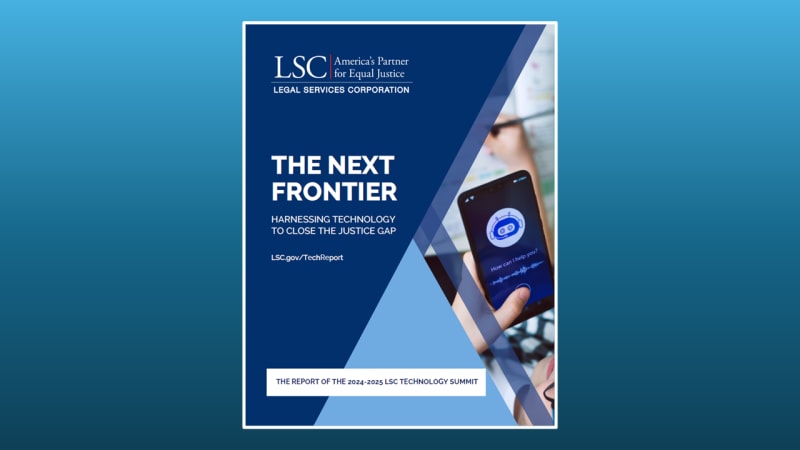
The Legal Services Corporation just released "The Next Frontier," a detailed plan created by more than 50 technology leaders, legal practitioners, and court personnel after two years of collaboration. The report shows how the nation's 130 legal aid organizations can use artificial intelligence and other cutting-edge tools to dramatically expand their reach.
The numbers paint a stark picture. LSC's 2022 Justice Gap Report found that low-income Americans received inadequate or no legal help for 92% of their civil legal problems. Whether someone is facing eviction, fighting for child custody, or escaping domestic violence, they're usually navigating the legal system completely alone.
But technology offers real solutions. Since 2000, LSC's Technology Initiative Grant program has awarded 923 grants totaling more than $92 million, helping legal aid groups adopt better systems and serve more people with the same resources.
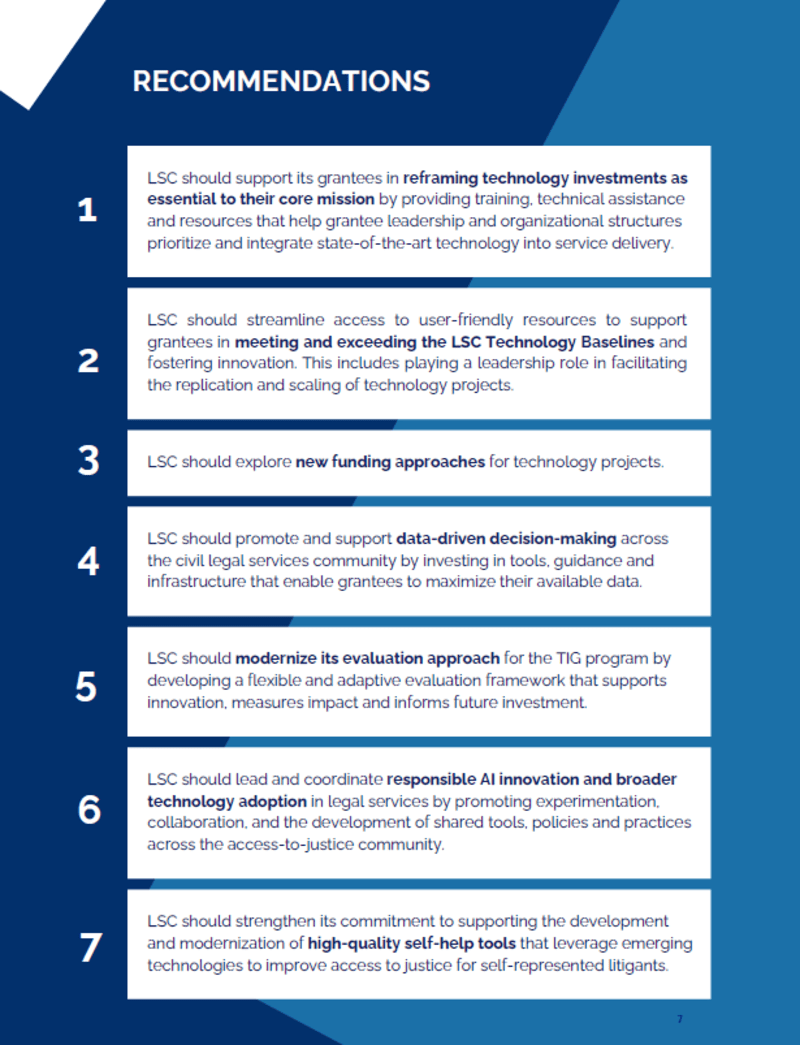
The new report builds on this success with seven strategic recommendations. It urges legal aid organizations to treat technology not as a luxury but as essential to their mission, just like hiring lawyers or opening offices.
One major shift involves creating centralized resources so legal aid groups can learn from each other's successes. When one organization finds an AI tool that helps process cases faster, others can adopt it quickly instead of reinventing the wheel.
The plan also addresses a crucial bottleneck: funding timelines. Current grants can take up to a year from application to actually starting work, which feels like forever in the fast-moving world of technology. The report recommends new funding models that match the speed of innovation.
The Ripple Effect
This isn't just about making legal aid offices run more efficiently. When someone gets legal help keeping their home, their kids stay in the same school and maintain friendships. When a domestic violence survivor gets legal protection, entire families become safer. When workers get help with wrongful termination, they can pay rent and buy groceries.
The initiative started with a full-day workshop in Charlotte in February 2024, then expanded through four focused workgroups examining everything from baseline technology adoption to measuring real-world impact. Experts conducted extensive stakeholder interviews and focus groups to ensure the recommendations reflect what legal aid workers actually need on the ground.
Several organizations have already proven what's possible. Groups that invested in client intake software, case management systems, and data analytics have served significantly more people without increasing staff. Now, with AI capabilities advancing rapidly, the potential for impact has grown exponentially.
The report emphasizes that successful technology adoption requires culture change, not just new software. Legal aid leadership needs training on using dashboards and data visualization for strategic planning, and staff needs support embracing new tools that complement their expertise.
With this comprehensive blueprint in hand, America's legal aid system has a clear path forward to help millions more people get the justice they deserve.
More Images
Based on reporting by Google News - Innovation Technology
This story was written by BrightWire based on verified news reports.
Spread the positivity!
Share this good news with someone who needs it