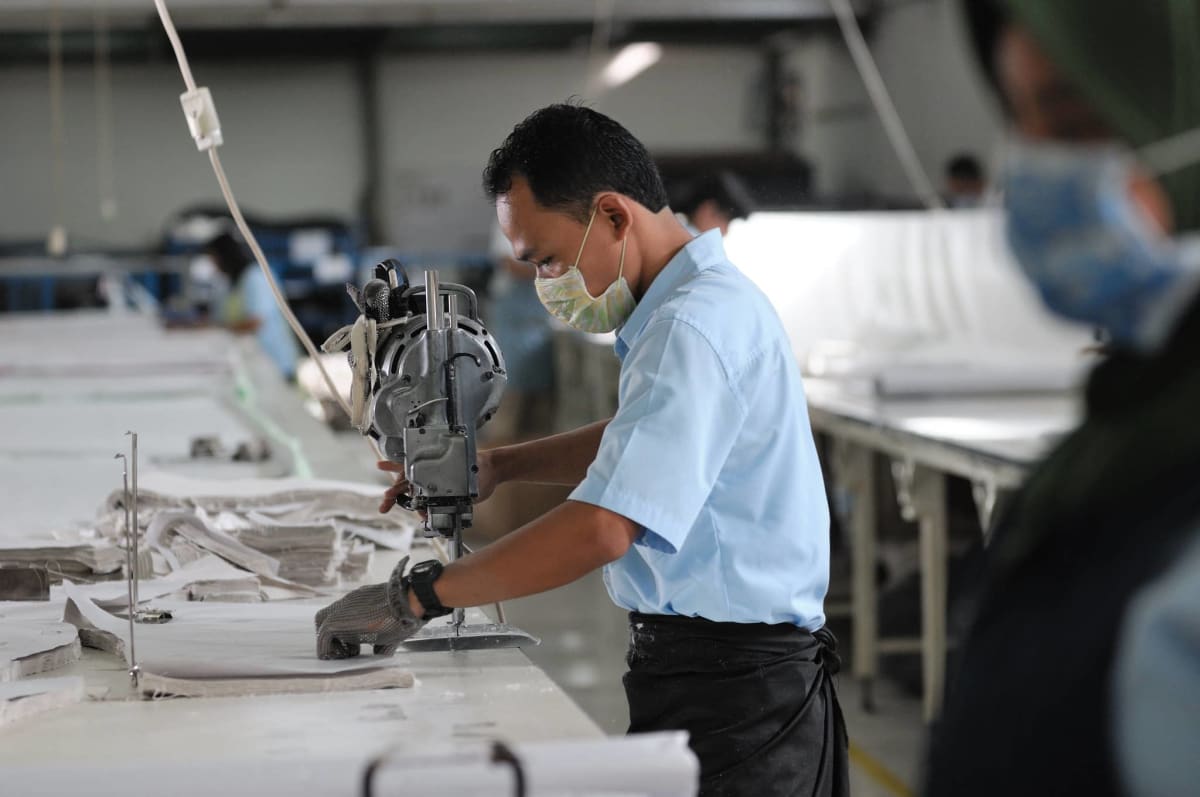
LEGO, Ben & Jerry's Lead Fair Wages for Global Workers
Three major brands are fighting poverty by ensuring fair wages and safe conditions in their supply chains. Their efforts have helped thousands of workers across Asia, Africa, and Latin America stay with their families and earn living wages.
Factory workers in developing countries often face an impossible choice: leave their children behind to take a job in a distant city, or quit working altogether when they can't afford childcare.
LEGO decided that didn't have to be the reality. The toy company now funds the Family-Friendly Factory program, which helped more than 8,000 workers across China, Vietnam, and Mexico in 2024 alone. The program tackles a painful problem that forces parents to either abandon their jobs or leave their kids with relatives hundreds of miles away.
Beyond childcare support, LEGO conducts regular third-party audits of every supplier. High-risk countries get checked annually, and the company's 2024 assessment found zero cases of modern slavery, forced labor, or child labor anywhere in its supply chain.
Ben & Jerry's took a different approach by committing to Fairtrade prices for five core ingredients: sugar, cocoa, vanilla, coffee, and bananas. Since 2014, cocoa farmers in Côte d'Ivoire have earned more than $15 million in Fairtrade Premium from Ben & Jerry's purchases alone.
The ice cream maker doesn't just pay fair prices. In 2020, it became the first company in its industry to pay a Living Income Reference Price for cocoa, a rate high enough to lift nearly all cocoa farmer households out of extreme poverty when combined with better yields. Two partner cooperatives have grown from 1,539 members in 2014 to 5,000 members today.
Best Buy brought accountability to electronics manufacturing, an industry notorious for labor abuses. The retailer audits 100% of potential supplier factories before doing any business, and suppliers who won't fix serious violations get rejected outright.
Those audits include worker interviews, document reviews, and visits to every building on factory grounds. Best Buy also created a Student Worker Management Toolkit for Chinese factories to identify and prevent forced labor during school breaks when student hiring spikes.
The Ripple Effect
These companies prove that businesses can be part of the solution to global poverty. When workers earn living wages instead of survival wages, they can invest in their children's education and healthcare. When parents don't have to choose between work and family, entire communities gain stability.
The approach works because it goes beyond minimum legal requirements. Regulation sets a floor, but these brands built childcare centers, paid premium prices, and walked away from suppliers who failed to meet standards.
Factory workers, farmers, and their families now have what working people everywhere deserve: dignity, fair compensation, and the chance to build better futures without impossible sacrifices.
Based on reporting by Google News - Poverty Reduction
This story was written by BrightWire based on verified news reports.
Spread the positivity!
Share this good news with someone who needs it