Leipzig Scientists Find Bone-Building Switch in Mice
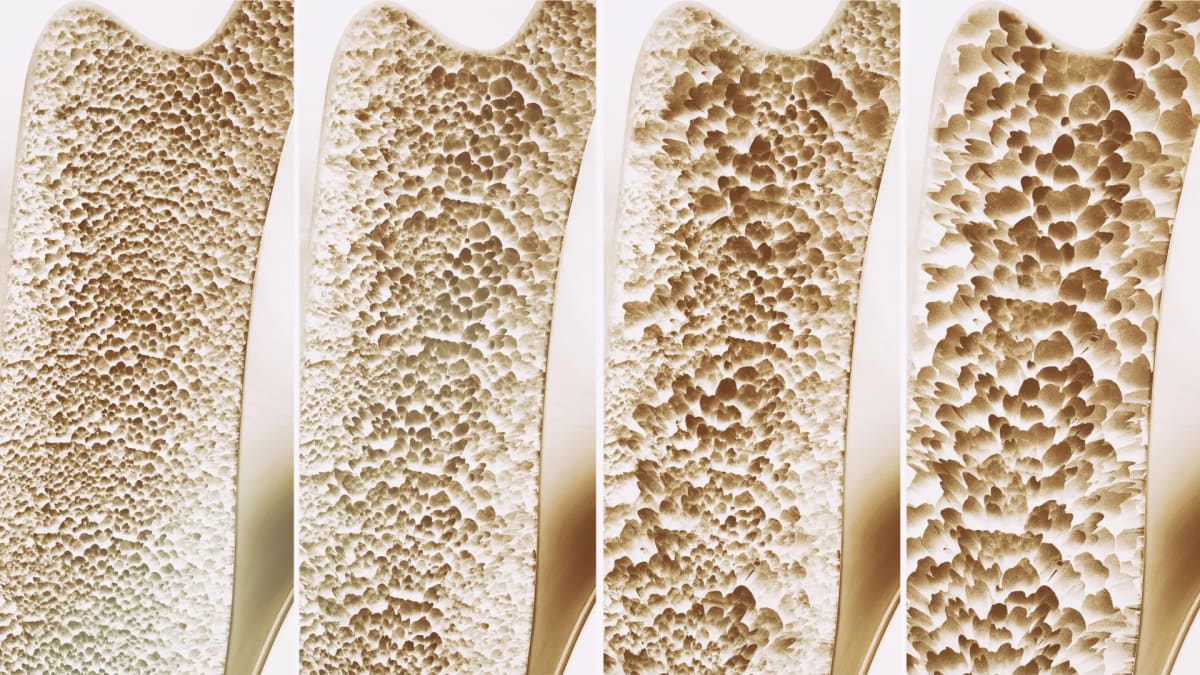
German researchers strengthened weak bones in mice using a compound that activates a natural receptor, opening new paths to fight osteoporosis. The same treatment also builds muscle, offering hope for aging adults who need both.
Scientists at Leipzig University discovered a way to rebuild weakened bones in mice by flipping a biological switch that nature already built into our cells.
The team focused on GPR133, a little-known receptor sitting on the surface of bone cells. When they activated it using an experimental compound called AP503, bones in both healthy and osteoporotic mice grew significantly stronger.
The discovery matters because osteoporosis affects millions worldwide. In Germany alone, six million people live with fragile bones that break easily, most of them women experiencing menopause.
Professor Ines Liebscher and her team at the Rudolf Schönheimer Institute of Biochemistry found that GPR133 acts like a volume control for bone health. The receptor responds to physical forces between nearby bone cells, deciding when to build new bone and when to remove old tissue.
Every day, our skeletons perform a careful balancing act. Osteoblasts build fresh bone while osteoclasts clear away the old. In healthy bones, these two forces stay in harmony.
When researchers activated GPR133 with AP503, something remarkable happened. The receptor encouraged more bone-building activity while slowing down bone removal. The balance shifted toward stronger, more durable skeletons.
The compound appears to mimic the natural signals that turn on GPR133. That means it works with the body's existing systems rather than forcing artificial changes.
Mice missing functional GPR133 receptors developed bone loss early in life, similar to human osteoporosis. But when the team treated osteoporotic mice with AP503, their bones regained strength.
The Ripple Effect
The benefits extend beyond bones. In earlier research, the Leipzig team discovered that AP503 also strengthens skeletal muscles.
Dr. Juliane Lehmann, the study's lead author, sees enormous potential for older adults who face declining strength in both tissues simultaneously. Stronger muscles support better balance and mobility, while denser bones resist fractures.
For women going through menopause, when hormone changes accelerate bone loss, a dual-action treatment could address multiple challenges at once. Maintaining independence and preventing falls becomes easier when both systems work well.
Leipzig University has spent over a decade studying adhesion G protein-coupled receptors through a dedicated research center. The institution now leads global efforts to understand how these cellular switches work.
The team continues exploring GPR133's full potential, investigating whether AP503 might help with other age-related conditions while mapping the receptor's functions throughout the body.
Based on reporting by Google News - Scientists Discover
This story was written by BrightWire based on verified news reports.
Spread the positivity!
Share this good news with someone who needs it