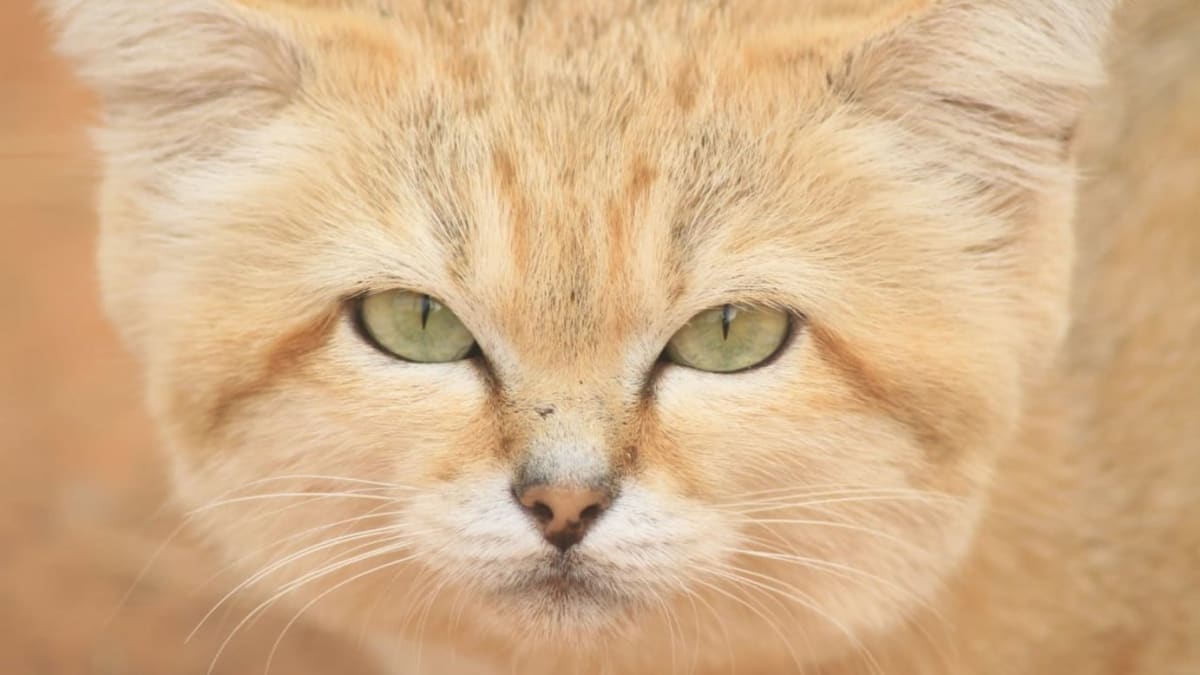
Libya's 'Desert Ghosts' Confirmed by 18-Second YouTube Clip
A wildlife photographer's casual YouTube video became the first documented proof that endangered sand cats live in Libya. The tiny desert hunters had eluded scientists for decades despite local sightings dating back to the 1950s.
When Mohammed Almuntasir uploaded an 18-second video of a tiny wild cat in 2017, he had no idea he'd just made scientific history. The Libyan photographer assumed scientists already knew that sand cats lived in his country's deserts, but his casual YouTube clip became the first documented proof of their existence there.
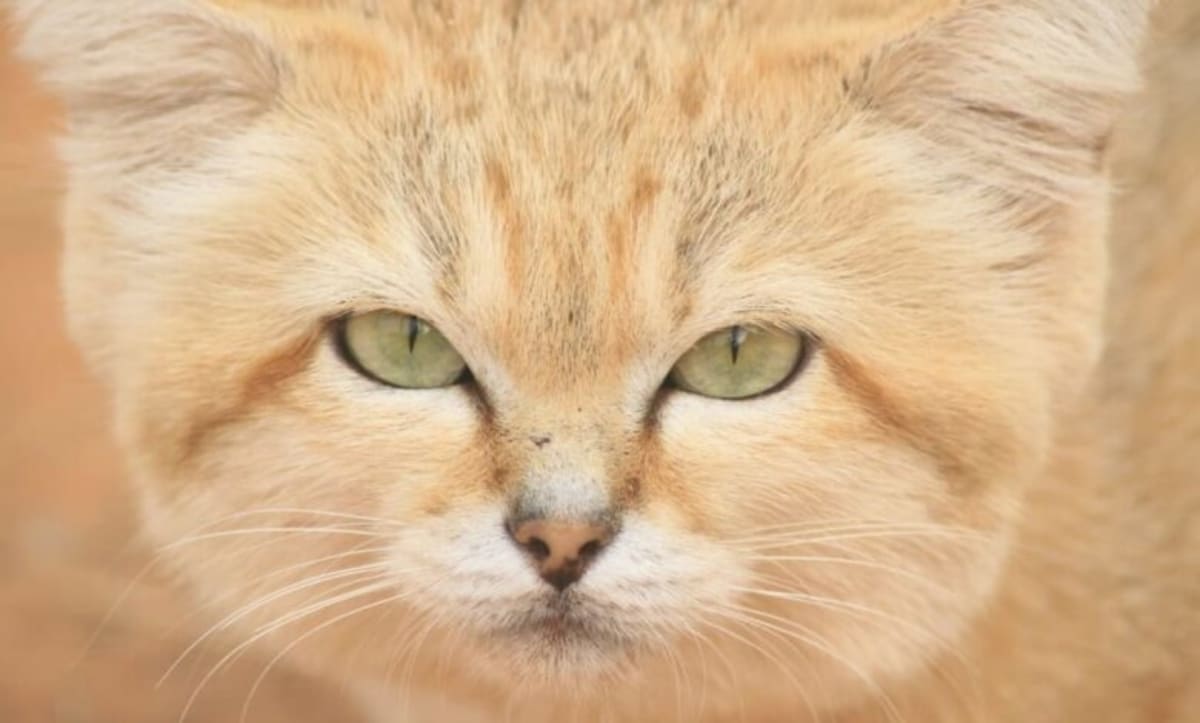
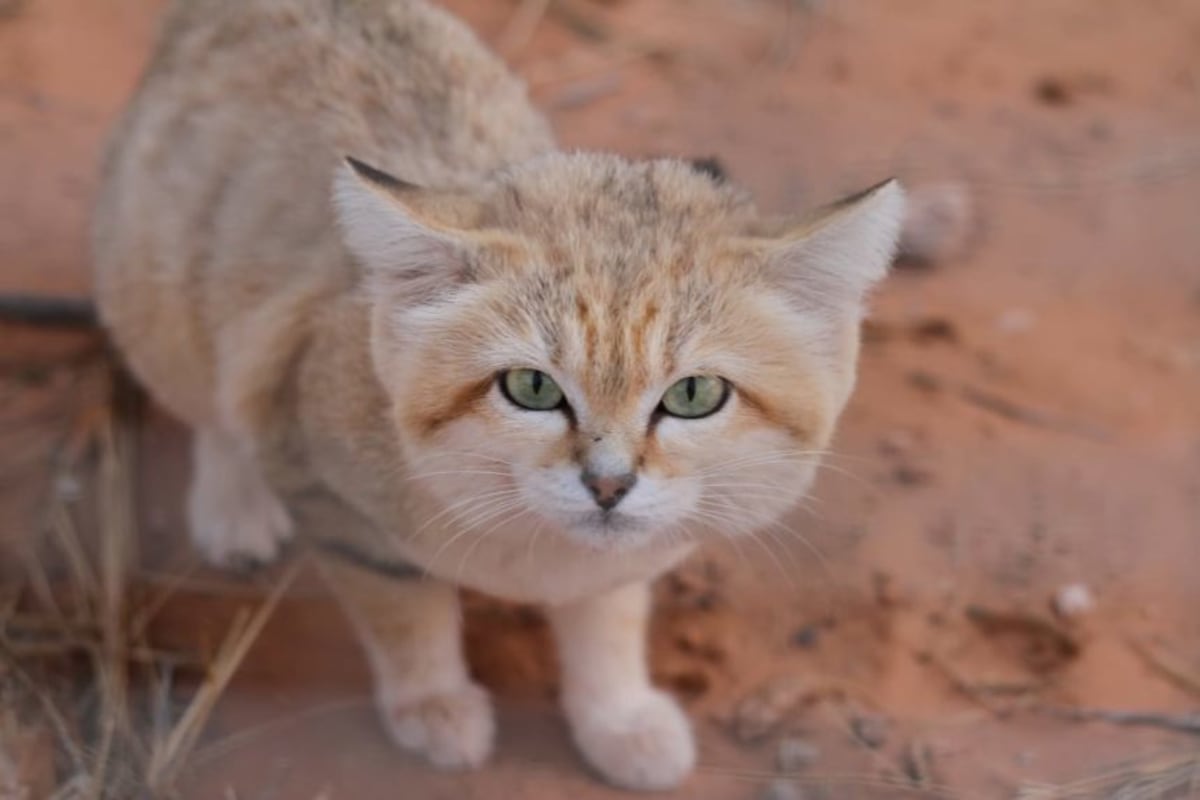
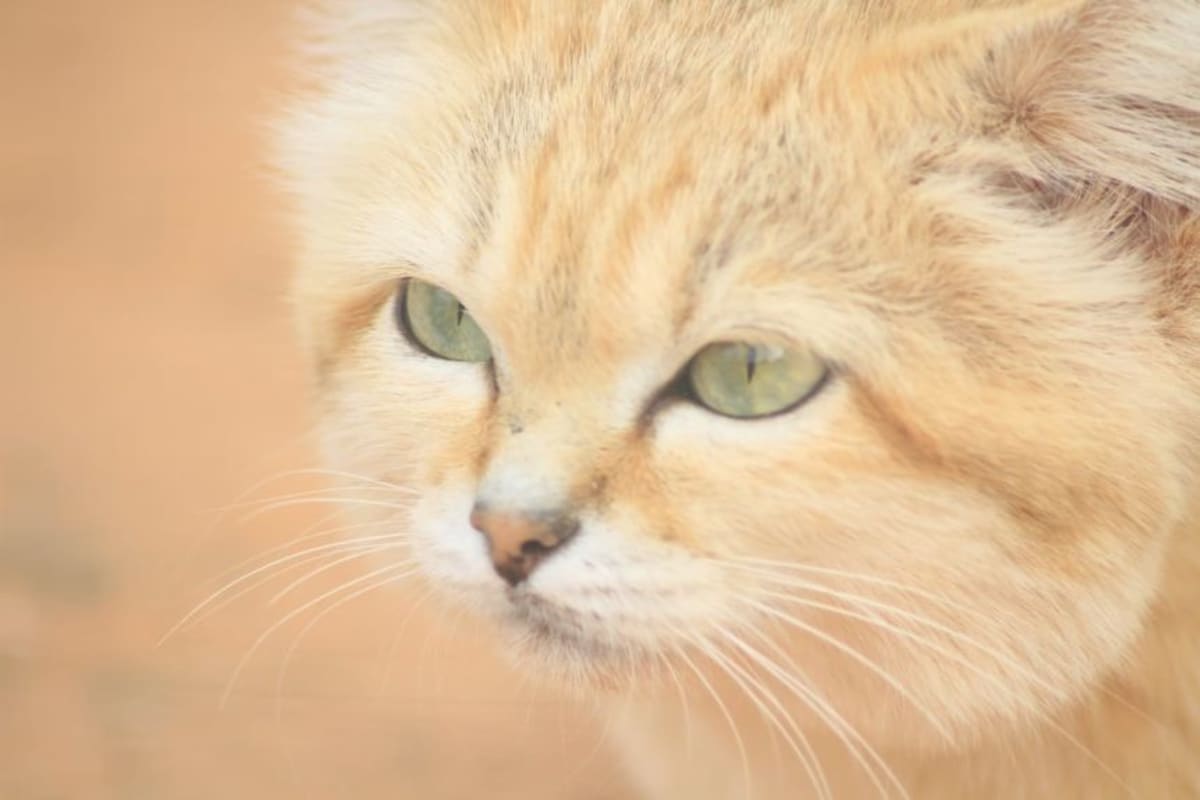
Sand cats are notoriously difficult to spot. Maxing out at just 22 inches long and 7.5 pounds, these pint-sized predators hunt at night, hide in burrows during the day, and bury their tracks by covering their feces and leftover prey.
Almuntasir had seen sand cats before but never captured them on camera because they only came out after dark. When he finally filmed one resting under a desert shrub in the Al-Hamada Al-Hamra region near the Tunisian border, he thought he was just adding to existing records.
Wildlife ecologist Firas Hayder disagreed. "I told him, 'No!'" Hayder laughed when recounting their conversation weeks after the video was posted. "For you, it is normal, but for us not."
Despite scattered reports dating back to the mid-20th century, sand cats had never been officially verified in Libya. Scientists primarily associated them with other North African countries like Morocco and regions across Southwest and Central Asia.
The discovery sparked an eight-year collaboration between Almuntasir and Hayder. The photographer learned to record GPS coordinates and worked with local guides to track the elusive felines across Libya's Sahara Desert.
The effort paid off spectacularly. Almuntasir personally documented 24 of the study's 36 sand cat observations across 13 locations, mostly in southwestern Libya. Their findings were published in February 2025 in the Journal of Arid Environments, suggesting the region could be a stronghold for the species.
The Bright Side
This discovery arrives at a crucial time for sand cat conservation. While currently listed as "least concern" by international authorities, researchers believe these cats deserve more protection because they serve as early warning signals for climate change.
Small carnivores like sand cats are extremely sensitive to temperature increases. Their health reflects the overall condition of their desert habitat, making them vital indicators of environmental changes that could affect entire ecosystems.
The research also revealed threats the cats face, including capture for the illegal pet trade and hunting. But increased awareness from discoveries like this helps build support for protecting these remarkable desert survivors.
These "desert ghosts" can survive solely on moisture from their prey's blood and travel vast distances across scorching sand. Now that scientists know where to look, they can work to ensure these adaptable hunters continue thriving in Libya's deserts for generations to come.
More Images
Based on reporting by Egypt Independent
This story was written by BrightWire based on verified news reports.
Spread the positivity!
Share this good news with someone who needs it
%2Fhttps%3A%2F%2Ftf-cmsv2-smithsonianmag-media.s3.amazonaws.com%2Ffiler_public%2F3b%2Ff9%2F3bf963ae-c158-4aa5-bf52-4165a34fdef3%2Fhairy-new-fish-species-1.jpg)