Libya's Rival Governments Agree to Elections Within 2 Years
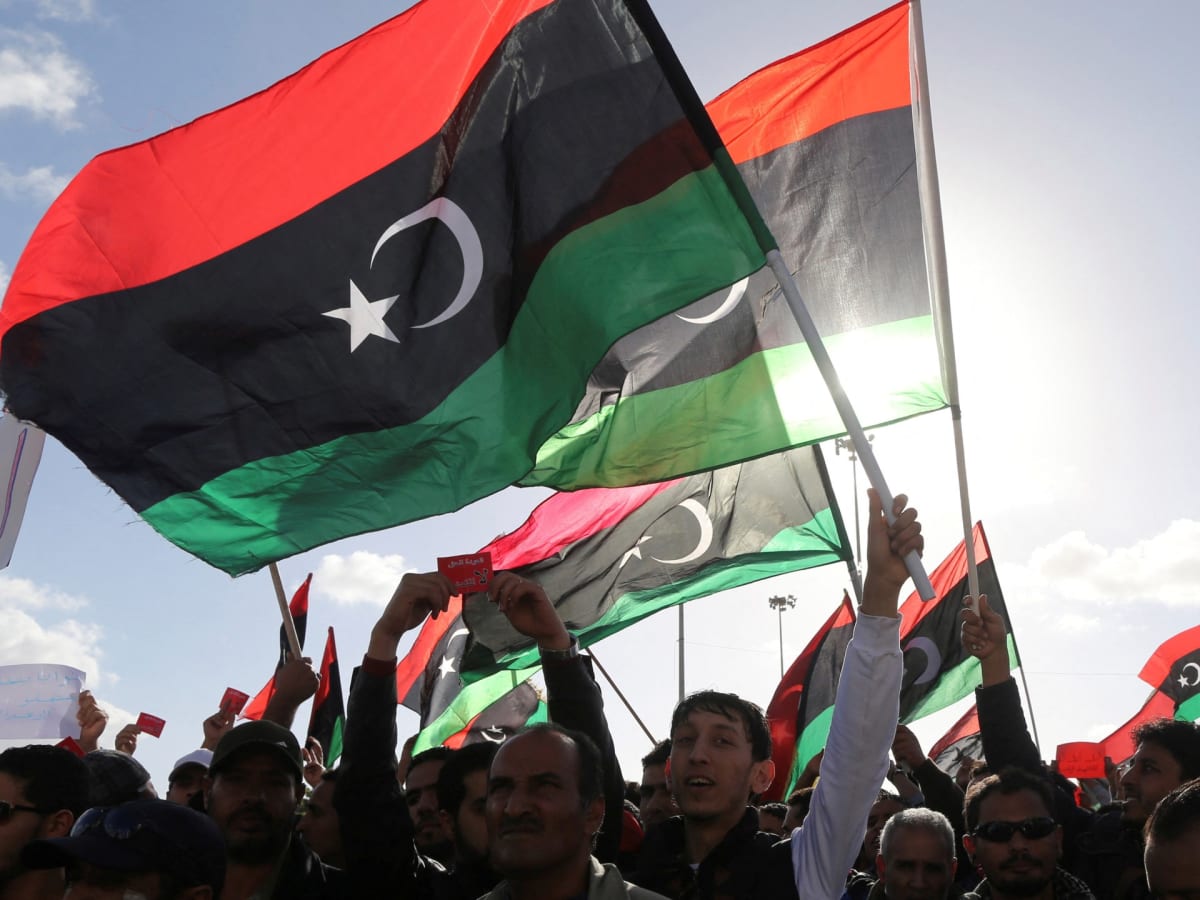
After more than a decade of division, Libya's opposing governments just signed a landmark deal to hold national elections within two years. The agreement could finally reunify a country split since 2014.
Libya's warring factions just took a major step toward peace after 12 years of conflict.
Representatives from the country's two rival governments signed an agreement on Sunday to hold national elections within the next two years. The deal brings hope to a nation that's been torn between competing administrations since 2014.
The agreement commits both sides to conducting legislative and presidential elections under a single executive authority within 24 months. Walid Ellafi, a state minister in the Tripoli-based Government of National Unity, confirmed the historic signing took place at the United Nations Support Mission in Libya.
The deal emerged from work by the "4+4 committee," which brought together four representatives from the eastern House of Representatives and four from the western High Council of State. They first drafted the agreement in Tunis on August 20 before finalizing it in Tripoli with UN support.
Libya has lived divided between two governments since 2014. The internationally recognized government operates from Tripoli in the west, while an eastern administration backed by military commander Khalifa Haftar controls the other half of the country.
Shibani AbuHamoud, representing Haftar's forces, said his side will work with the UN within one month to create a framework for implementing the agreement. That quick timeline signals genuine commitment from both parties.
The agreement includes a clever safeguard. If Libya's House of Representatives and High Council of State don't approve the deal within a month, it automatically becomes a national constitutional document with UN Security Council backing.
The Ripple Effect
This breakthrough could transform life for millions of Libyans who've endured political chaos since the 2011 revolution. A unified government means more stable services, better security, and the chance to rebuild a functioning state.
The deal also shows what persistent diplomacy can achieve. The UN and international mediators have worked for years to bridge these divides, never giving up despite repeated setbacks.
Analysts note real challenges remain, particularly around who governs during the transition period and controls the country's oil resources. But the fact that both sides sat down, negotiated, and signed represents progress that seemed impossible just months ago.
For a country that's postponed presidential elections multiple times due to political disputes, having both factions commit to a timeline is itself a victory. Implementation will test everyone's resolve, but the agreement creates accountability structures that previous efforts lacked.
After years of false starts, Libya finally has a roadmap home to unity and democracy.
Based on reporting by Al Jazeera English
This story was written by BrightWire based on verified news reports.
Spread the positivity!
Share this good news with someone who needs it