Life Rebounded in Just 2,000 Years After Dinosaur Asteroid
New species of plankton evolved as quickly as 2,000 years after the asteroid that killed the dinosaurs, proving life bounces back faster than scientists ever imagined. The discovery rewrites what we know about nature's resilience after catastrophic events.
Life found a way much faster than anyone expected.
Scientists just discovered that new plankton species appeared less than 2,000 years after the massive asteroid wiped out the dinosaurs 66 million years ago. That's lightning speed in geological terms, and it's rewriting our understanding of how quickly nature can recover from disaster.
When a 7.5-mile-wide asteroid slammed into what's now Mexico's Yucatán Peninsula, it threw up so much dust and soot that the sun disappeared for about 10 years. Three-quarters of all plant and animal species went extinct in the cold, dark conditions that followed.
For years, researchers believed it took about 30,000 years for the first new species to emerge. But that estimate was based on measuring ocean sediment buildup, which assumed everything accumulated at a steady rate after impact.
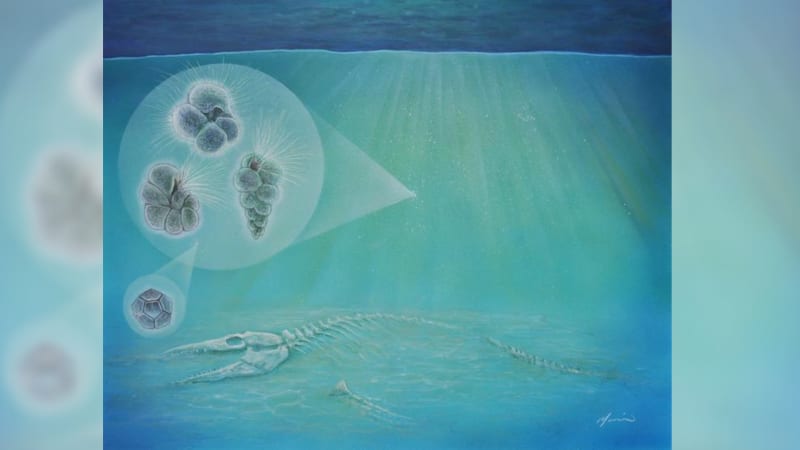
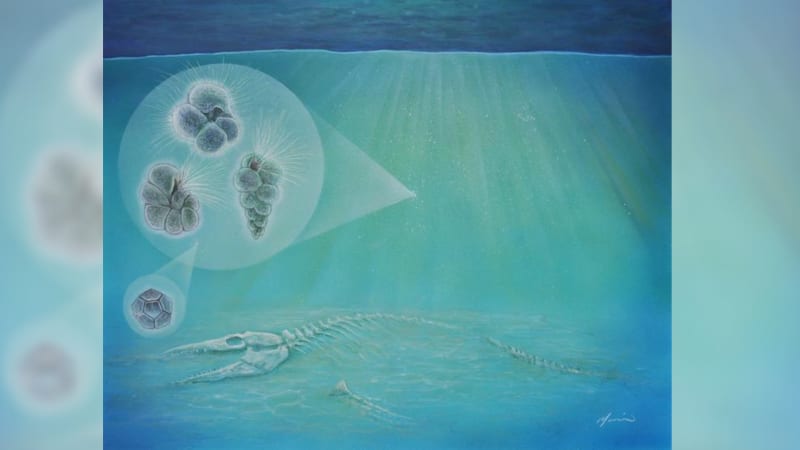
Chris Lowery, a paleoceanographer at the University of Texas Institute for Geophysics, and his team tried a different approach. They measured helium-3, an isotope that falls to Earth with space dust at a constant rate, giving them a more accurate timeline of how quickly life bounced back.
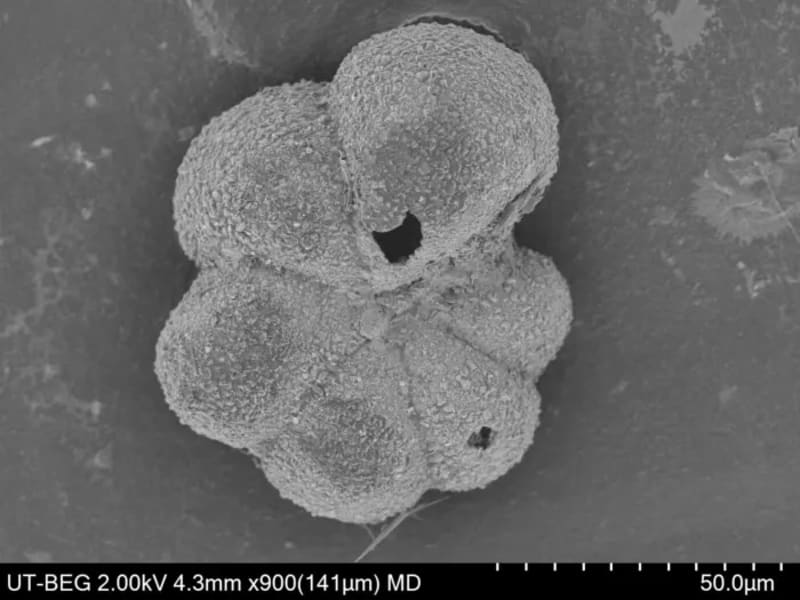
The results stunned them. One new plankton species called Parvularugoglobigerina eugubina appeared an average of 6,400 years after impact. At some sites, other species emerged even sooner, within just 2,000 years of the asteroid strike.
Between 10 and 20 plankton species appeared within roughly 11,000 years. "It's ridiculously fast," Lowery said in a statement announcing the findings published in the journal Geology.
Why This Inspires
New species typically take millions of years to develop through evolution. But life under pressure adapts quickly, finding creative ways to fill empty ecological spaces left behind by extinction.
The discovery shows that even after the worst catastrophes imaginable, life doesn't just survive. It innovates, evolves, and thrives in remarkably short timeframes.
Timothy Bralower, a geoscientist at Penn State who worked on the study, calls it "a geologic heartbeat." The speed of recovery demonstrates just how resilient life truly is when given the chance.
The findings might even offer hope for modern species facing habitat destruction from human activity. While we should still protect what we have, nature's proven track record of resilience reminds us that life is tougher than we think.
Even in Earth's darkest hour, when the sun disappeared and most life died, the story didn't end in darkness.
More Images


Based on reporting by Live Science
This story was written by BrightWire based on verified news reports.
Spread the positivity!
Share this good news with someone who needs it
%2Fhttps%3A%2F%2Ftf-cmsv2-smithsonianmag-media.s3.amazonaws.com%2Faccounts%2Fheadshot%2FSara_-_Headshot_thumbnail.png)