Light Computer Solves Complex Problems at Room Temperature
Canadian researchers built a powerful new computer using light instead of electricity that tackles enormous optimization problems while running at everyday temperatures. The breakthrough machine uses ordinary fiber optic technology and stays stable for hours while performing billions of operations per second.
Researchers at Queen's University just created a computer that uses light to solve problems so complex that traditional machines would need longer than the age of the universe to crack them.
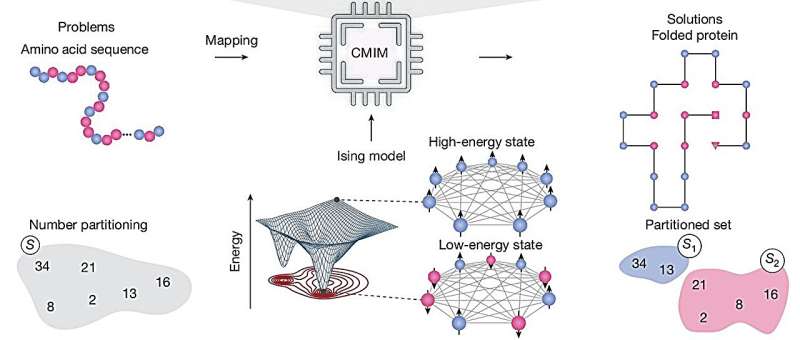
The new system tackles optimization challenges like finding the best delivery route among millions of possibilities or designing new medicines by predicting how proteins fold. These aren't just academic puzzles. Every package you've ever ordered involved solving a tiny piece of this massive computational challenge.
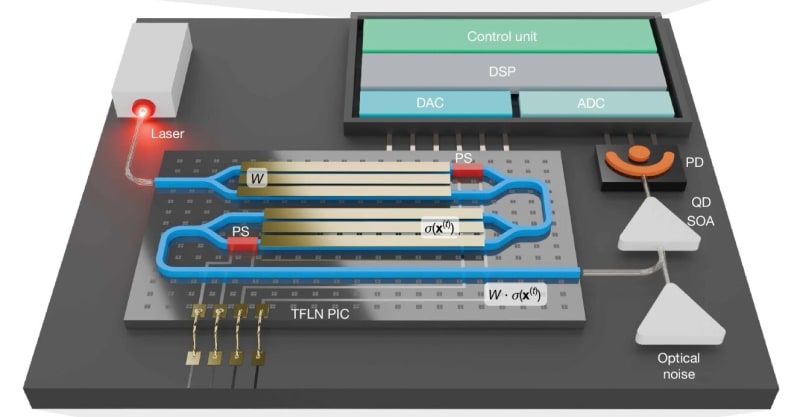
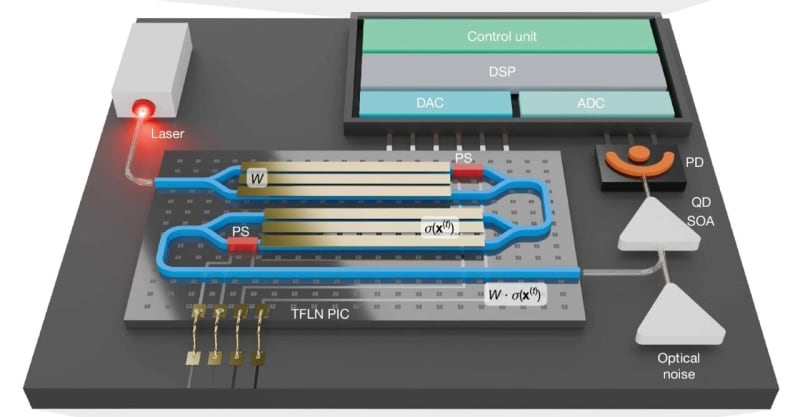
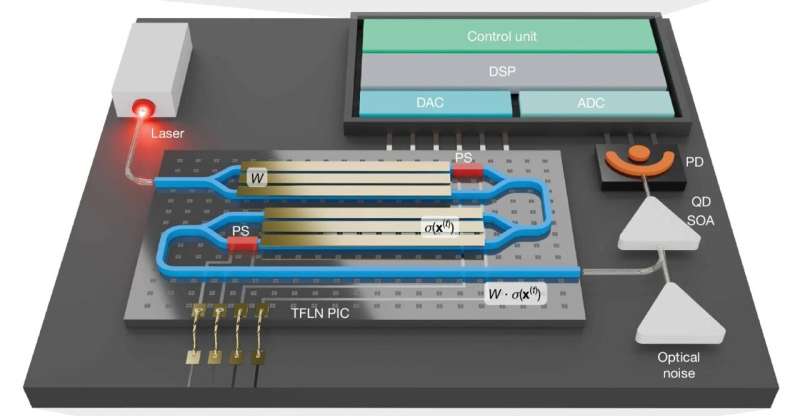
Led by Professor Bhavin Shastri and his team of graduate students, the machine reimagines a century-old concept called the Ising model. Instead of using magnets that point up or down, it uses pulses of light traveling through fiber optic loops. The light pulses interact and gradually settle into patterns that represent solutions, much like a group reaching consensus after quick exchanges.
Here's the scale of what it handles: with just five delivery stops, there are 12 possible routes. Jump to 50 stops, and you'd need to check more combinations than there are seconds in the history of the universe. This machine processes those problems at 200 billion operations per second.
What makes this breakthrough special isn't just raw power. The team built it from the same off-the-shelf components that power today's internet: commercial lasers, fiber optics, and modulators. No exotic materials or billion-dollar budgets required.
Previous attempts at similar systems needed extremely cold temperatures and collapsed after milliseconds. This one runs at room temperature and stays stable for hours, making it practical for real-world applications. That room temperature operation also means it consumes dramatically less energy than other advanced computing systems.
The team achieved 256 spins using just five basic components, outperforming commercial efforts backed by billions in funding. The system can now tackle problems with tens of thousands of variables, opening doors in drug discovery, logistics, urban planning, and cryptography.
The Ripple Effect
This isn't just a lab curiosity waiting for some distant future. The technology exists today, built from components already mass-produced for telecommunications. That means faster paths to real applications.
The team at Queen's is already working with industry partners on pilot projects. They're scaling up the number of spins and improving energy efficiency. Because it uses familiar technology, companies won't need to rebuild infrastructure from scratch to adopt it.
Every advancement in optimization computing ripples outward. Faster drug discovery means treatments reach patients sooner. Smarter logistics mean less fuel burned and fewer emissions. Better urban planning creates more livable cities. The applications multiply as the technology improves.
The research appeared in Nature, one of the world's most prestigious scientific journals, signaling that this approach has moved from promising idea to validated breakthrough. What started as reimagining how light could think is now pointing toward a more efficient, sustainable future for solving humanity's most complex challenges.
More Images
Based on reporting by Phys.org
This story was written by BrightWire based on verified news reports.
Spread the positivity!
Share this good news with someone who needs it