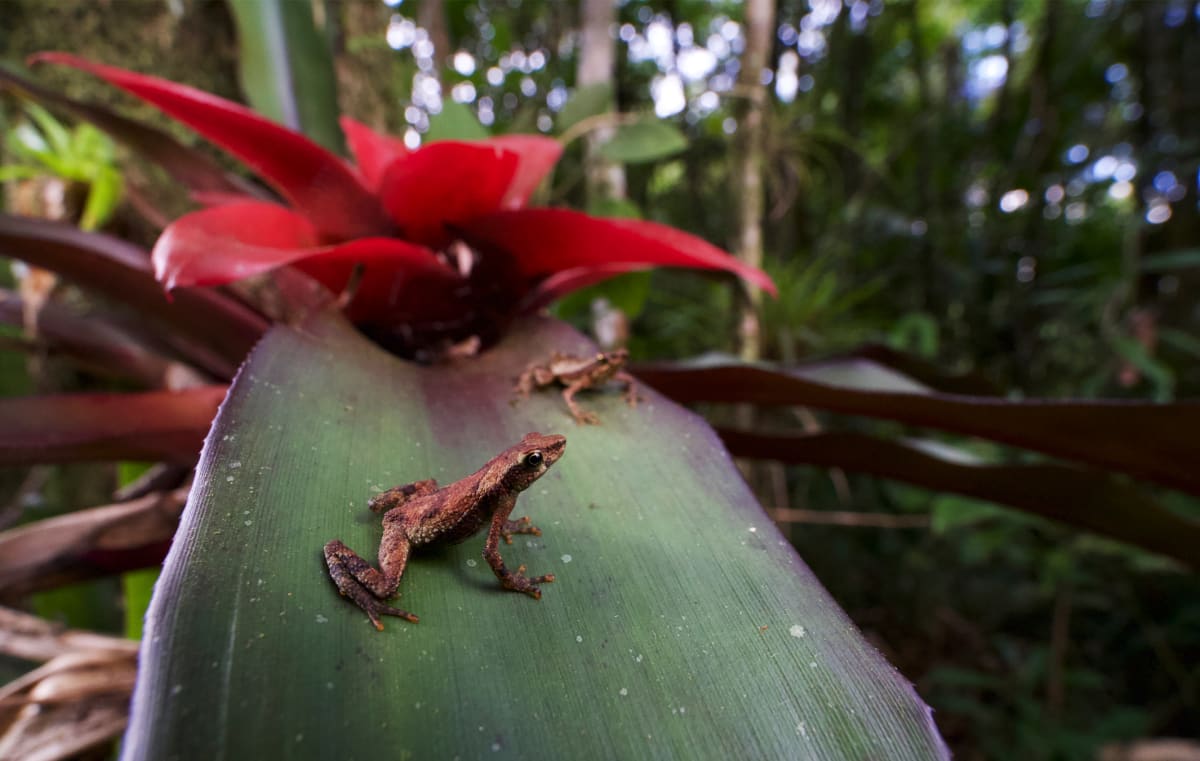
Linking Frog Habitats Boosts Disease-Fighting Microbes
Scientists discovered that connecting forests and streams helps frogs develop stronger immune defenses against a deadly fungal disease killing amphibians worldwide. The breakthrough reveals a powerful conservation tool that could protect countless species beyond frogs.
Frogs living near connected forests and streams have a secret weapon against disease that their isolated cousins lack: powerful skin microbes that fight off deadly infections.
A groundbreaking study in Brazil's Atlantic Forest reveals that when deforestation splits up the different habitats frogs need throughout their lives, the amphibians lose access to beneficial bacteria that protect them from chytrid fungus. This pathogen has already wiped out hundreds of amphibian species globally.
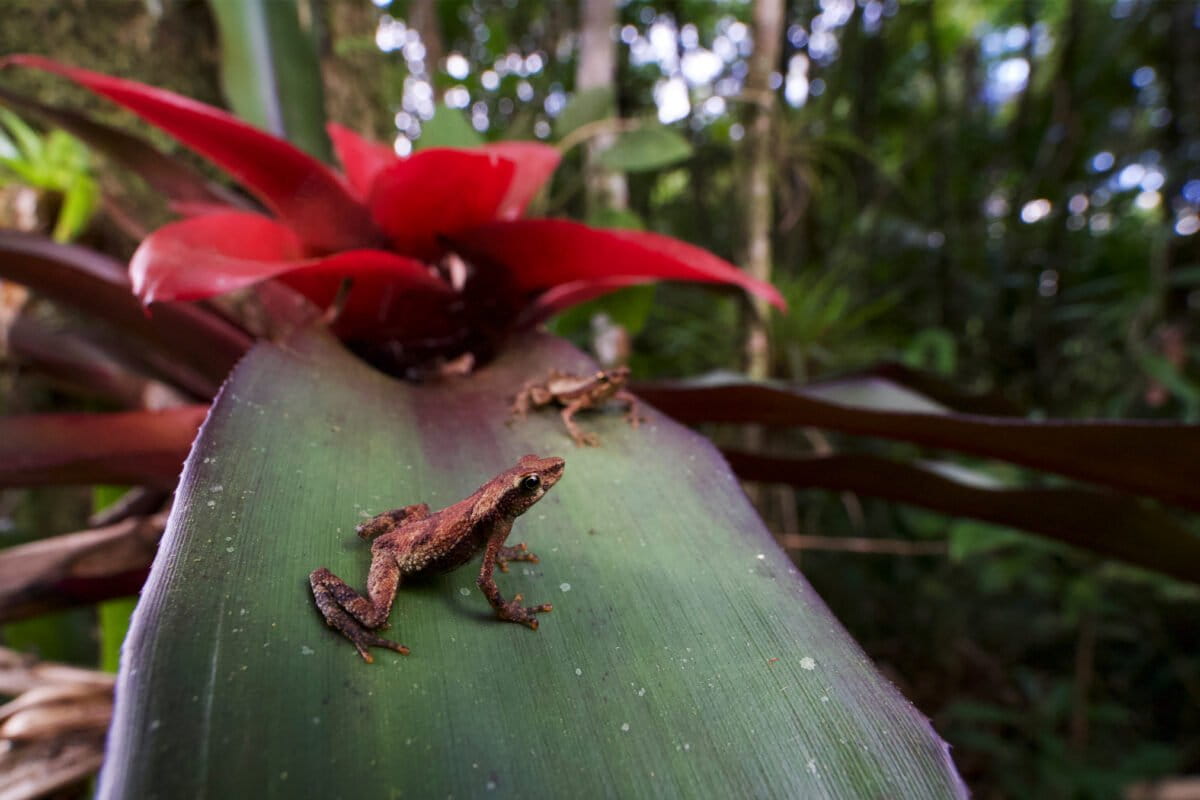
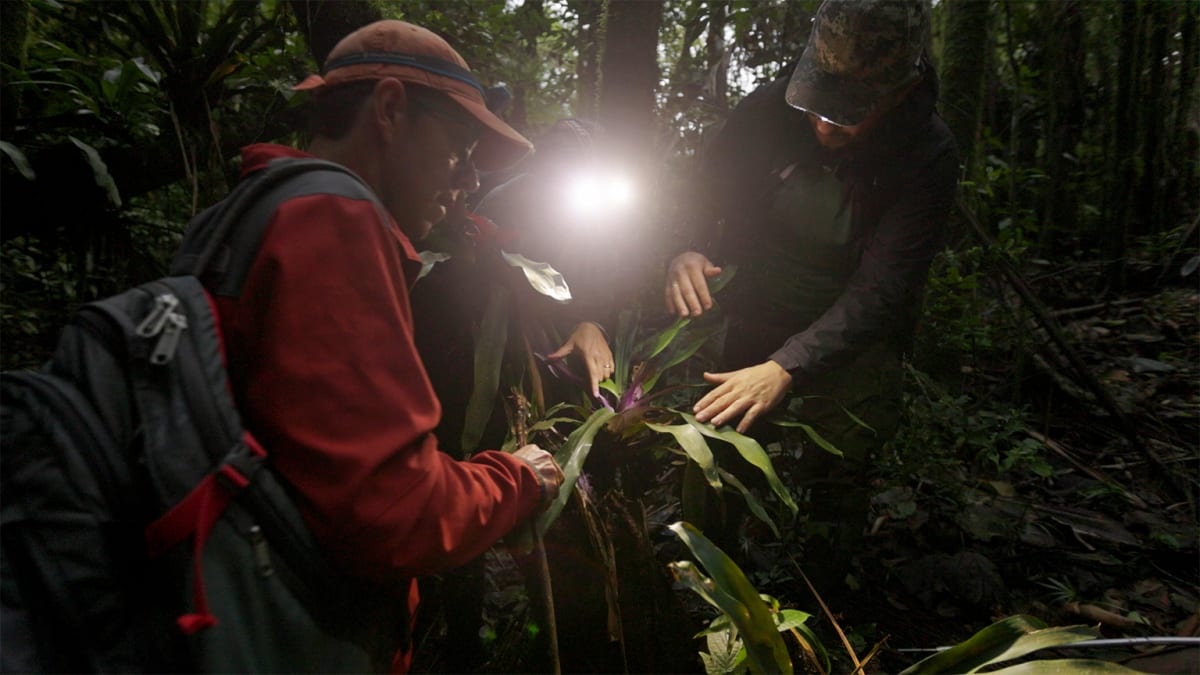
Researchers examined the skin microbiomes of four frog species and found a clear pattern. Frogs hopping between intact forests and nearby streams hosted diverse communities of pathogen-fighting microbes. Meanwhile, frogs stuck in fragmented landscapes had weaker microbial defenses and higher infection rates.
"These animals cannot recruit a very effective and functional microbiome against certain pathogens like chytrid if you disconnect the environment," explained Gui Becker, a Penn State biologist who led the research team. When frogs move through complete, connected habitats, they pick up environmental microbes that become their frontline disease defenders.
The findings go beyond just saving frogs. The same principle likely applies to birds, fish, mammals, and countless other species that need different habitats during various life stages.
The Ripple Effect
This discovery transforms how conservationists approach habitat protection. Saving isolated forest patches won't be enough if the streams, ponds, and wetlands that animals depend on remain disconnected.
The solution is surprisingly straightforward: protect and reconnect the different habitat types that species need. When landscapes stay intact and linked, animals naturally encounter the microbes they need to build strong immune systems. They also get exposed to low levels of pathogens, which helps them develop resistance without getting sick.
Daniel Medina, the study's lead author, notes that habitat loss isn't just about losing physical space. "We're not only losing biodiversity at the macroscale, but also losing the symbiotic microbes that live in these animals," he said. Those microscopic allies matter just as much as the forests themselves.
Conservation projects that restore connections between forests and waterways could help species fight off diseases that have puzzled scientists for decades. The research suggests that some wildlife declines blamed on mysterious disease outbreaks might actually stem from broken habitat connections weakening natural defenses.
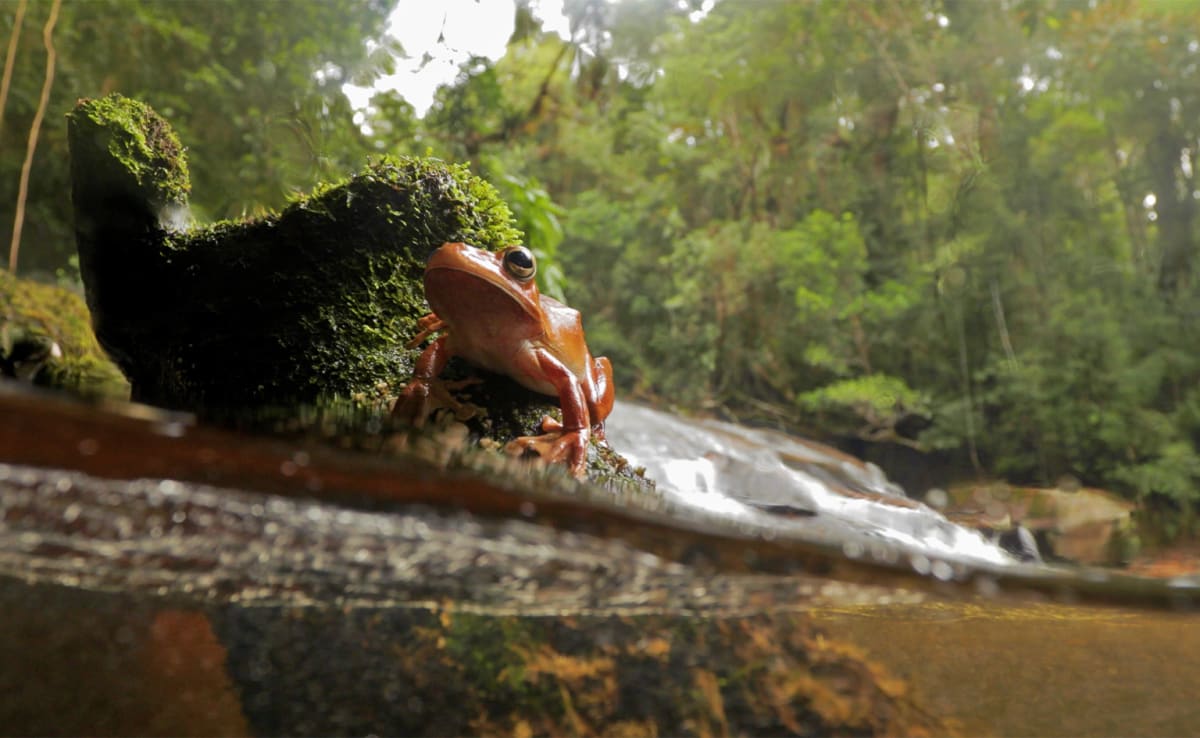
For the colorful tree frogs hopping between Atlantic Forest streams and canopy branches, connected habitats mean the difference between thriving populations and vulnerable ones. That same principle could help protect wildlife facing disease threats across the planet.
More Images

Based on reporting by Mongabay
This story was written by BrightWire based on verified news reports.
Spread the positivity!
Share this good news with someone who needs it