Livestock Antibiotic Use Drops 29% Worldwide Since 2013
After decades of growth, global livestock antibiotic use peaked in 2013 and then fell by nearly a third by 2020, according to a major new study from University College London. The decline shows that government action can effectively tackle antimicrobial resistance, which currently causes 700,000 deaths worldwide each year.
The world just won a significant battle in the fight against drug-resistant bacteria, and it happened on farms around the globe.
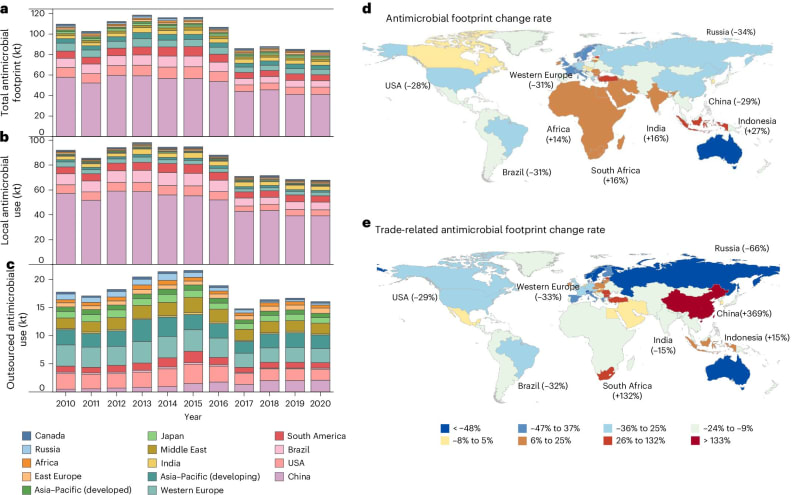
A groundbreaking study from University College London reveals that livestock antibiotic use peaked at 118,600 metric tons in 2013, then dropped to 84,000 metric tons by 2020. That's a 29% reduction in just seven years.
The sharpest decline came after a 2016 United Nations meeting on antimicrobial resistance, when countries began adopting stricter regulations. China and the United States, which together account for 60% of global use, led the charge with 29% and 28% reductions respectively.
The personal impact is striking too. Average antibiotic use per person worldwide fell from 15.6 grams in 2010 to just 10.6 grams in 2020.
Why does this matter so much? Overusing antibiotics in livestock creates drug-resistant bacteria that can spread to humans. These superbugs already cause around 700,000 deaths annually worldwide, and that number was projected to keep climbing.
Dr. Heran Zheng from UCL's Bartlett School of Sustainable Construction called the decline "promising" and proof that government regulation works. The research, published in Nature Sustainability, represents the most detailed analysis yet of antimicrobial use in farming worldwide.
Livestock farming accounts for 73% of all antimicrobial consumption globally. Farmers use these drugs to prevent disease and boost growth in cattle, pigs, and poultry.
The study did uncover one concerning trend. Wealthier countries have reduced their own antibiotic use but continue importing products from nations where use remains high. Between 2010 and 2020, the share of antimicrobials used for internationally traded goods rose from 16% to 20%.
Surprisingly, about half of this trade involves non-food items like clothing and electronics that use animal-derived materials. Emerging economies like India and Indonesia have seen use increase, partly to meet export demand.
The Bright Side
The dramatic decline proves that when governments take action on public health threats, change happens quickly. The 2016 UN meeting sparked a wave of policy reforms that reversed decades of growing antibiotic use in just four years.
China's success is particularly encouraging. As the world's largest user of livestock antibiotics, its 29% reduction shows that even countries with massive agricultural sectors can make significant progress.
The research also provides a roadmap for the next phase. By tracking each country's "antimicrobial footprint," similar to a carbon footprint, policymakers can now see exactly where antibiotics are being used and take targeted action.
This victory demonstrates that global health threats can be reversed when countries work together and follow the science.
More Images
Based on reporting by Phys.org
This story was written by BrightWire based on verified news reports.
Spread the positivity!
Share this good news with someone who needs it