Living Walls Attract 32 Bird Species to Urban Plymouth
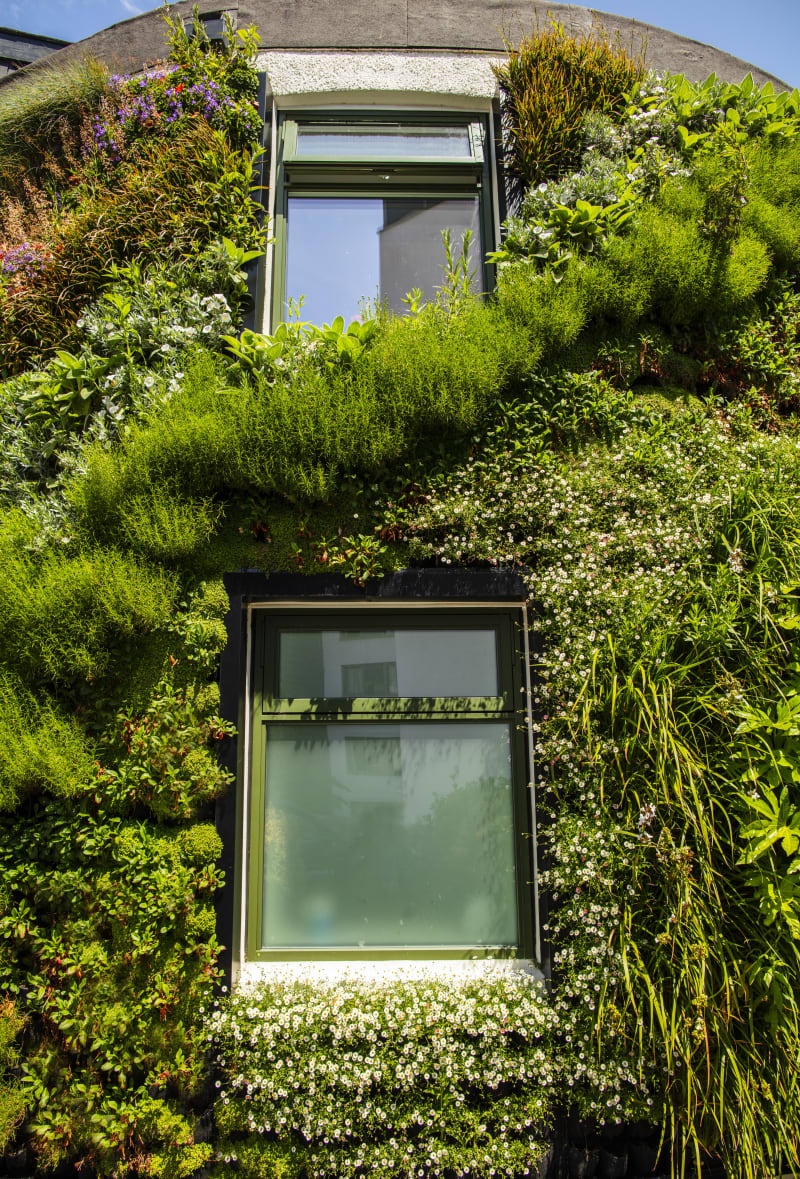
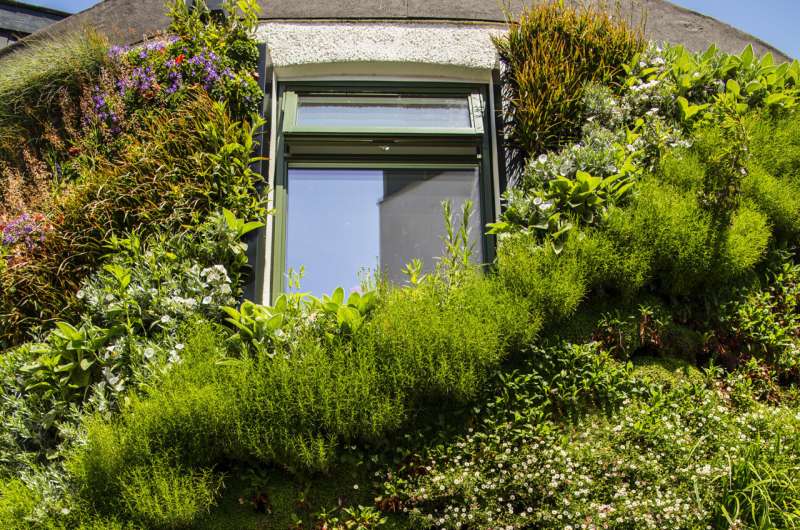
Vertical gardens on city buildings are creating safe havens for wildlife, with researchers documenting hundreds of creatures including three bird species that built nests in the greenery. The soil-based walls attracted 12 types of pollinators, 19 soil invertebrates, and dozens of urban birds.
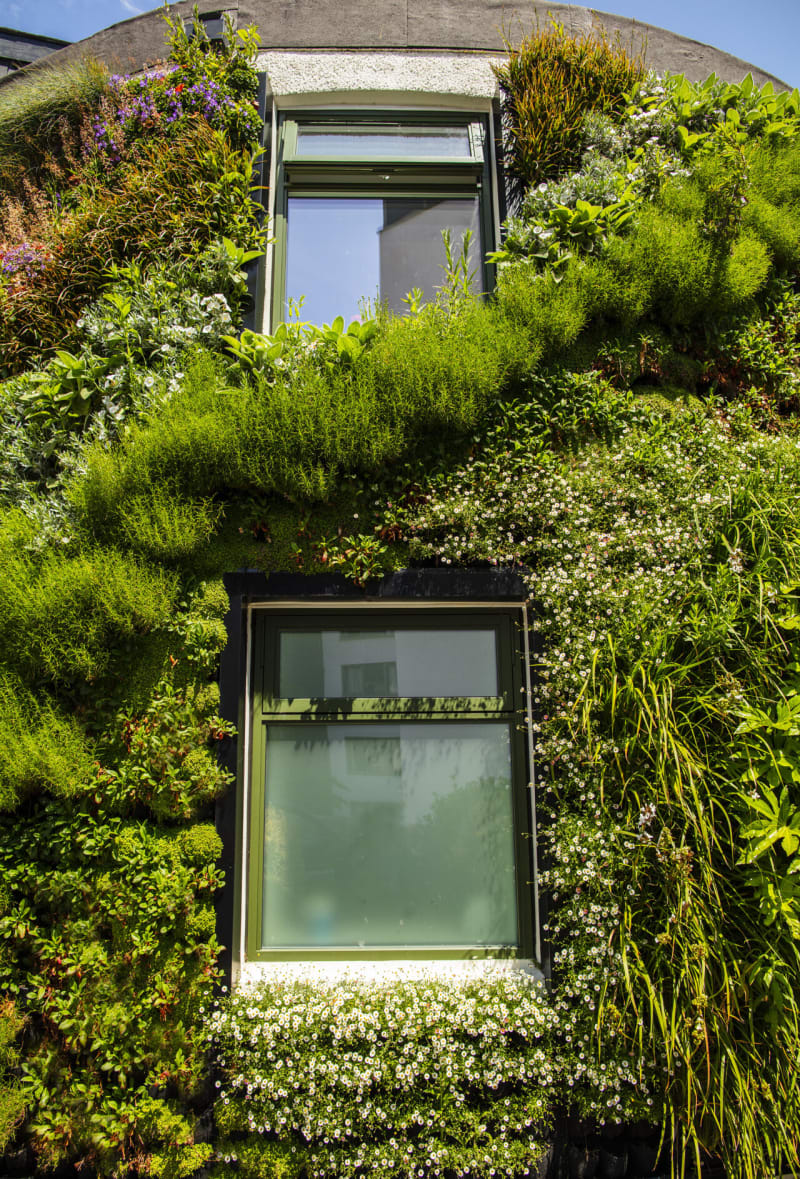
City buildings are becoming thriving wildlife sanctuaries thanks to vertical gardens that transform concrete into ecosystems.
Researchers at the University of Plymouth monitored three living walls across the city and discovered an incredible diversity of life. Over multiple surveys, they counted 12 different bee and pollinator species, 19 types of soil invertebrates, 12 spider species, and 32 bird species using the structures.
The most exciting discovery? House sparrows, blackbirds, and robins actually built nests within the vertical gardens, choosing these green walls as safe places to raise their young.
Not all living walls performed equally well. The research revealed that walls using real soil attracted far more wildlife than those with artificial growing materials. Plant selection mattered too, with ivy, Mexican daisy, and honeysuckle proving to be pollinator magnets.
Dr. Paul Lunt, who led the study, sees living walls as a crucial tool in fighting habitat loss. With 68% of the world's population expected to live in cities by 2050, these vertical ecosystems could help preserve biodiversity where it's needed most.
The three locations studied included the University's Sustainability Hub, a building on Union Street, and a new town development in Sherford. Scientists used observation techniques and acoustic monitoring to track which animals visited the walls and how often.
The Ripple Effect
The implications reach beyond individual buildings. Plymouth's research demonstrates that thoughtfully designed living walls can deliver real environmental benefits in crowded urban areas where traditional green spaces are limited.
The university has been championing these structures since adding one to its campus in 2019. Previous research showed that living walls can reduce heat loss through building walls by more than 30%, combining wildlife benefits with energy savings.
However, current planning policies may undervalue these ecological contributions. The researchers argue that regulations need updating to fully recognize how living walls support urban flora and fauna.
Cities around the world are expanding rapidly, often at the expense of natural habitats. Living walls offer a practical solution, turning every building facade into potential wildlife habitat without requiring additional land.
The study confirms what urban planners hoped: properly designed vertical gardens don't just look nice, they actively support biodiversity in concrete jungles where wildlife desperately needs support.
More Images

Based on reporting by Phys.org
This story was written by BrightWire based on verified news reports.
Spread the positivity!
Share this good news with someone who needs it