London Opens First Museum Dedicated to Youth Culture
After 25 years of planning, the Museum of Youth Culture opens in London's Camden neighborhood, celebrating how teenagers from flappers to emos shaped society. The museum honors the rebellious spirit of young people through personal photos, rave flyers, and artifacts spanning a century of subcultures.
For every teenager who once wore their eyeliner too thick, scrawled declarations on their wrist, and refused to accept the world as it was, there's finally a museum that gets it.
The Museum of Youth Culture officially opened this week in London's Camden neighborhood, becoming the world's first permanent space dedicated to the formative teenage years. After 25 years of planning by British youth culture archivist Jon Swinstead, the dream has finally become reality.
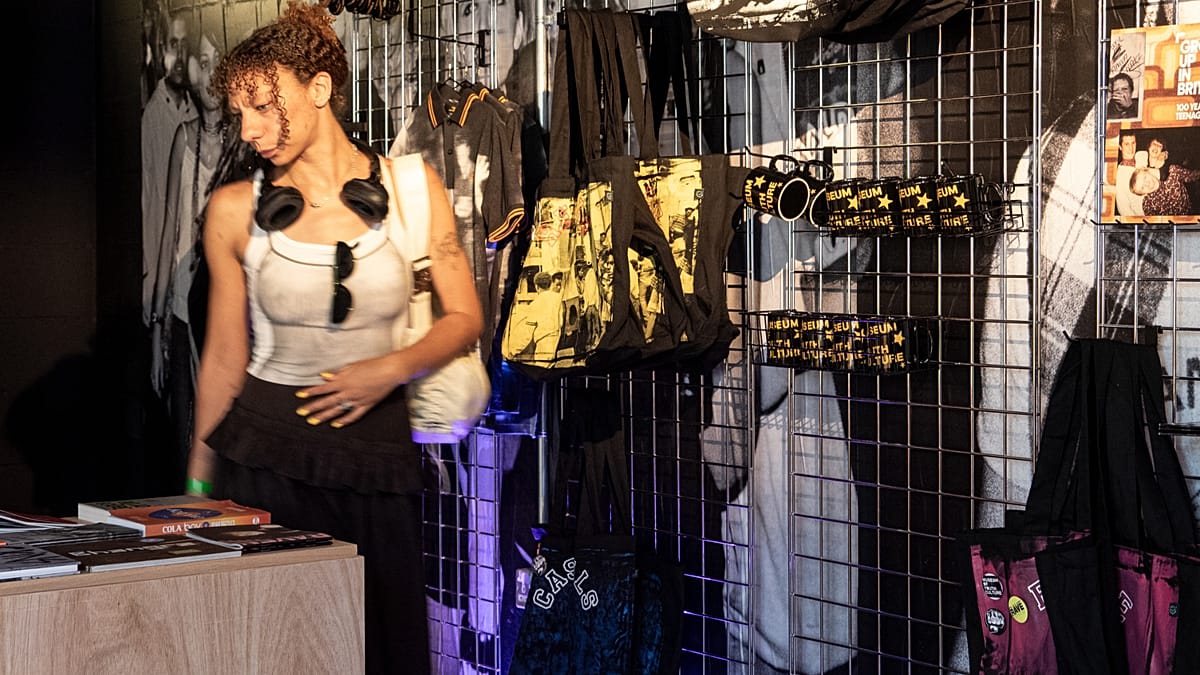
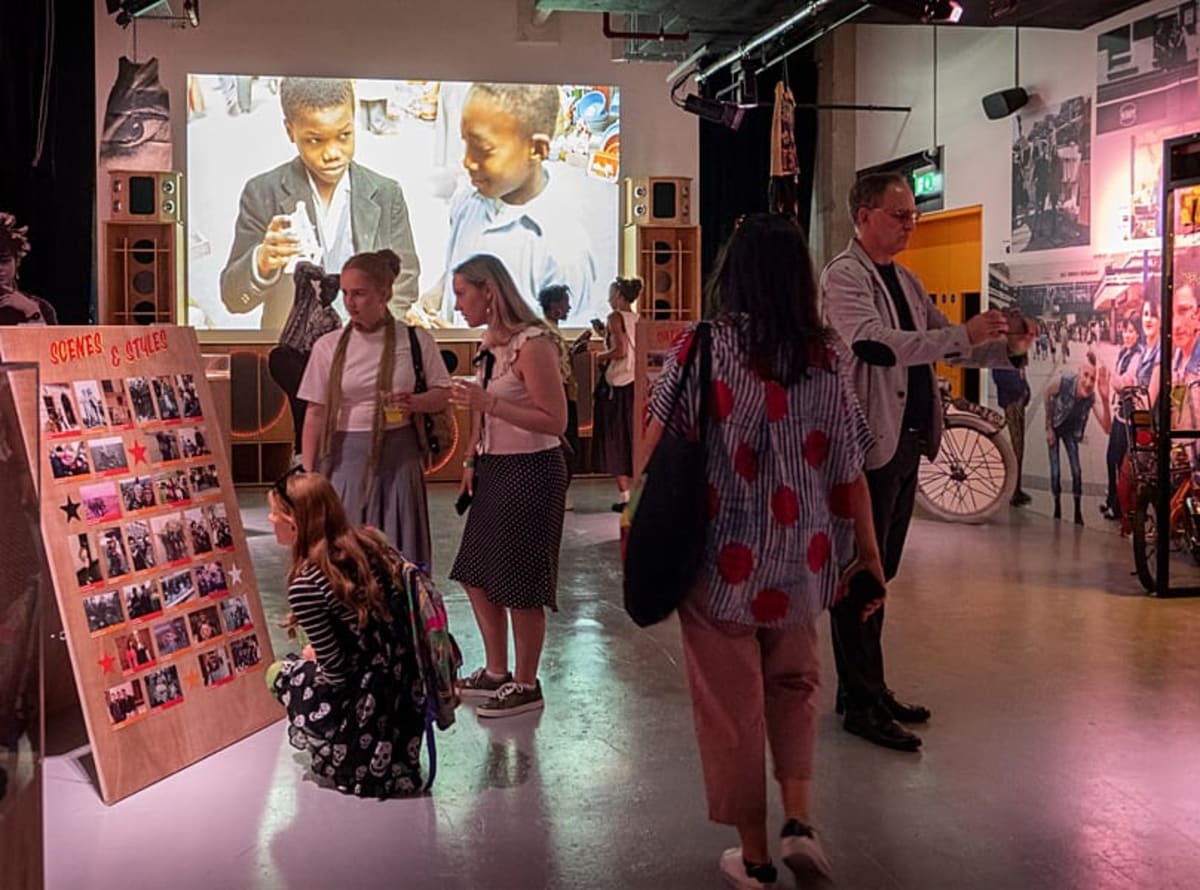
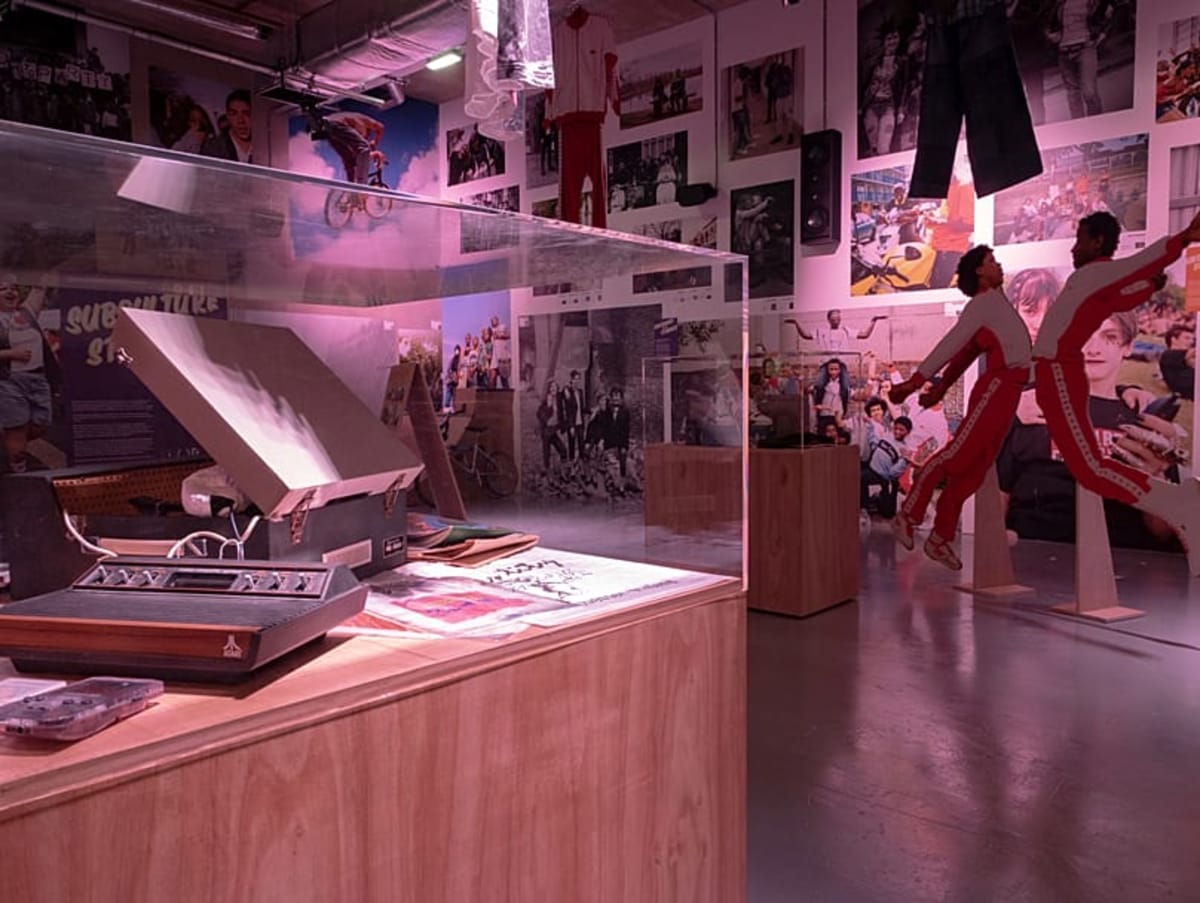
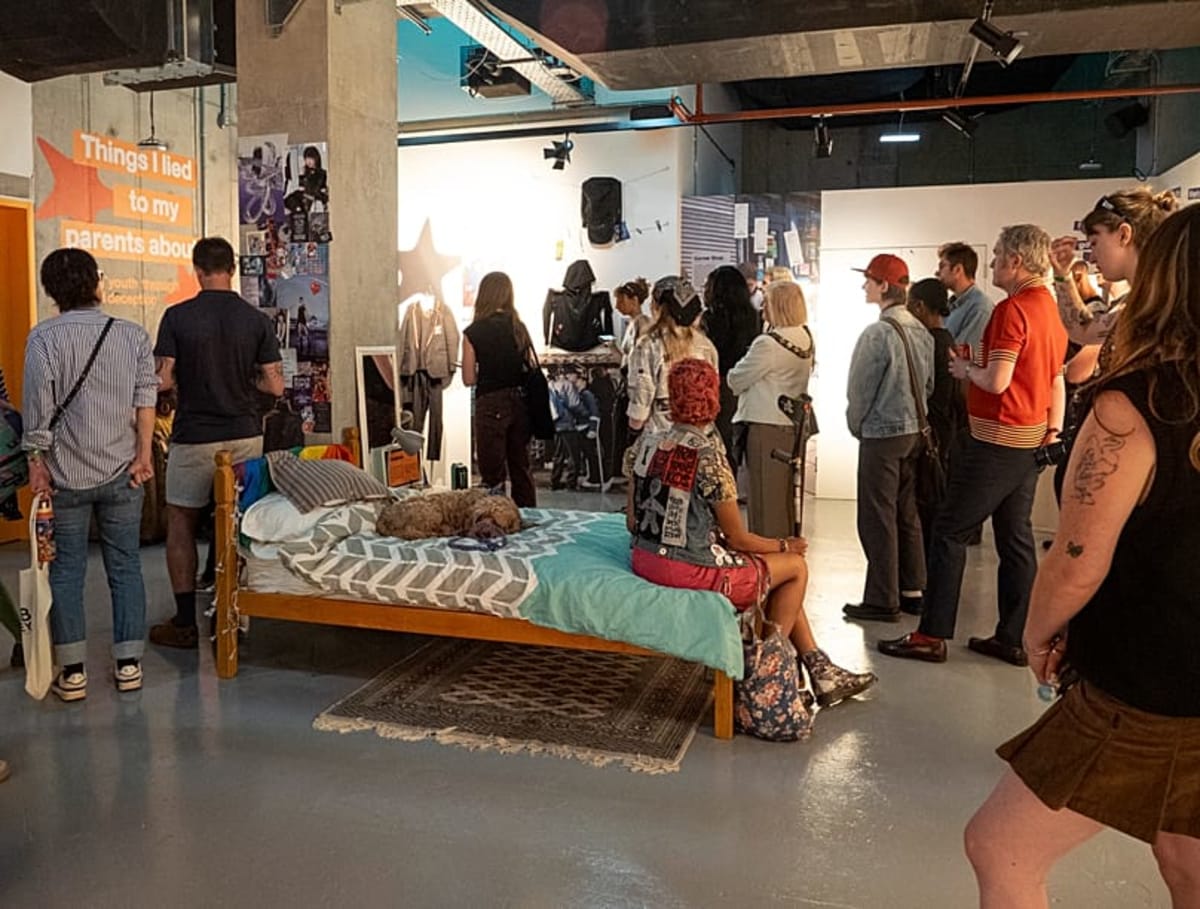
The museum feels like stepping into your best friend's bedroom. Subterranean rooms display personal photos, flyers for underground raves, teenage trinkets, and confessions scrawled on lined paper. A foosball machine clacks to the rhythm of arcade game blips while t-shirts in the corner proudly declare "Punk" and "Emo."
The main archive captures 100 years of youth culture, from rebellious 1920s flappers in knee-high boots on motorbikes to female DJs who fought their way into male-dominated club scenes of the '90s. Most artifacts keep context sparse, just a name, year, and location, letting visitors project their own memories onto strangers' blunder years.
"It's a completely overlooked part of heritage, and as a result, young people have been left out of the picture when it comes to museums," said Jamie Brett, Creative Director at the museum. "Especially those teenage moments in life."
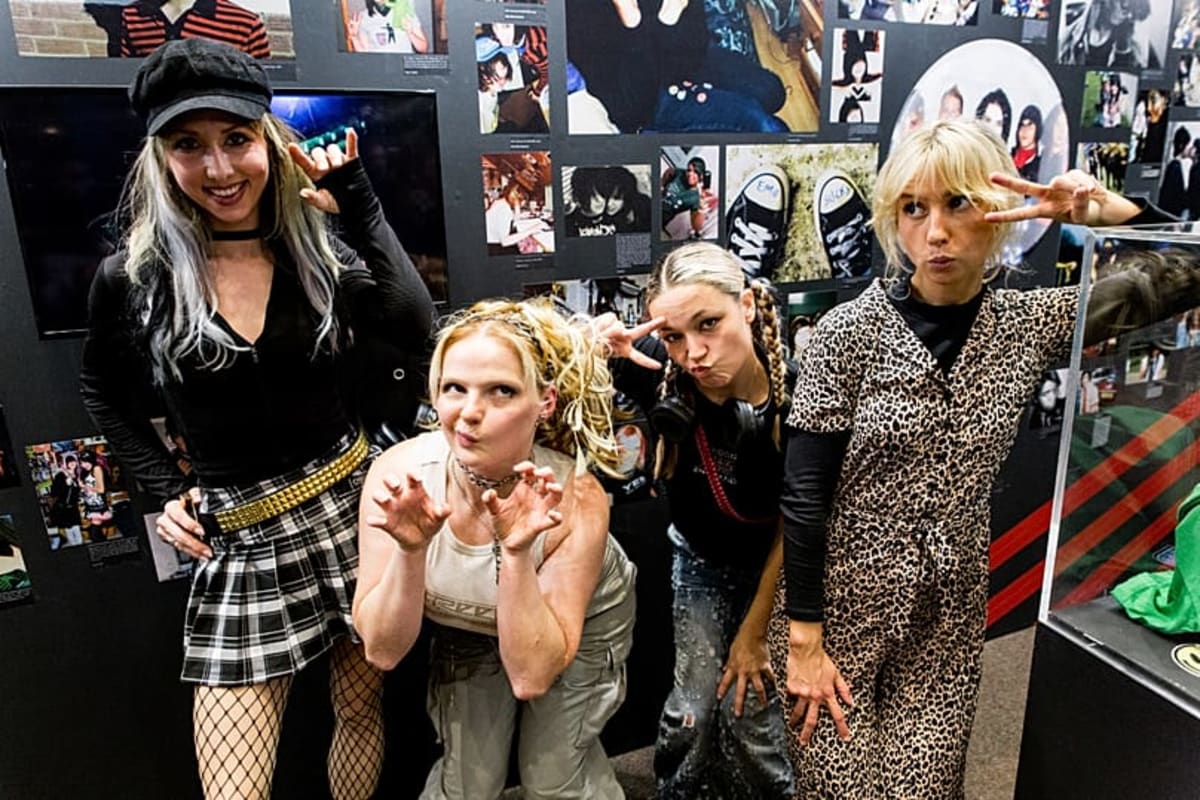
The museum collected many stories through its "Grown Up In Britain" crowdsourcing campaign. Archive Projects Manager Lisa der Weduwe and her team traveled across the UK gathering personal artifacts from people's youth, from '80s goths in pinstriped tights to '00s emos peeking through side-swept fringes.
The Ripple Effect
Youth subcultures like mod, punk, goth, and rave have always done more than define fashion trends. They've challenged mainstream values, pushed artistic boundaries, and shaped society in lasting ways.
Some worry that social media has homogenized culture and killed subcultures. Der Weduwe sees it differently. She points to groups of teenage K-pop fans in central London with their specific styles and shared music tastes as proof that subcultures are thriving, just evolving.
"They've got one foot in the online world, and one foot in the real world, because that's the society we live in now," she explained. "Subcultures aren't going to look the same, because the formula has changed."
The museum stands as proof that those messy, hormone-fueled years of self-discovery matter deeply. Through rebellion and reimagination, young people continue to shape the world we all inherit.
More Images
Based on reporting by Euronews
This story was written by BrightWire based on verified news reports.
Spread the positivity!
Share this good news with someone who needs it