London Volunteers Growing Rare Wildflowers at Home
Londoners are being recruited to grow a threatened wildflower in their homes to save one of the capital's rarest plants. The tower mustard, vital for bees and butterflies, now survives at just two London sites.
Imagine saving an endangered species from your kitchen windowsill. That's exactly what volunteers across London are doing to rescue tower mustard, a rare wildflower that's nearly vanished from the capital.
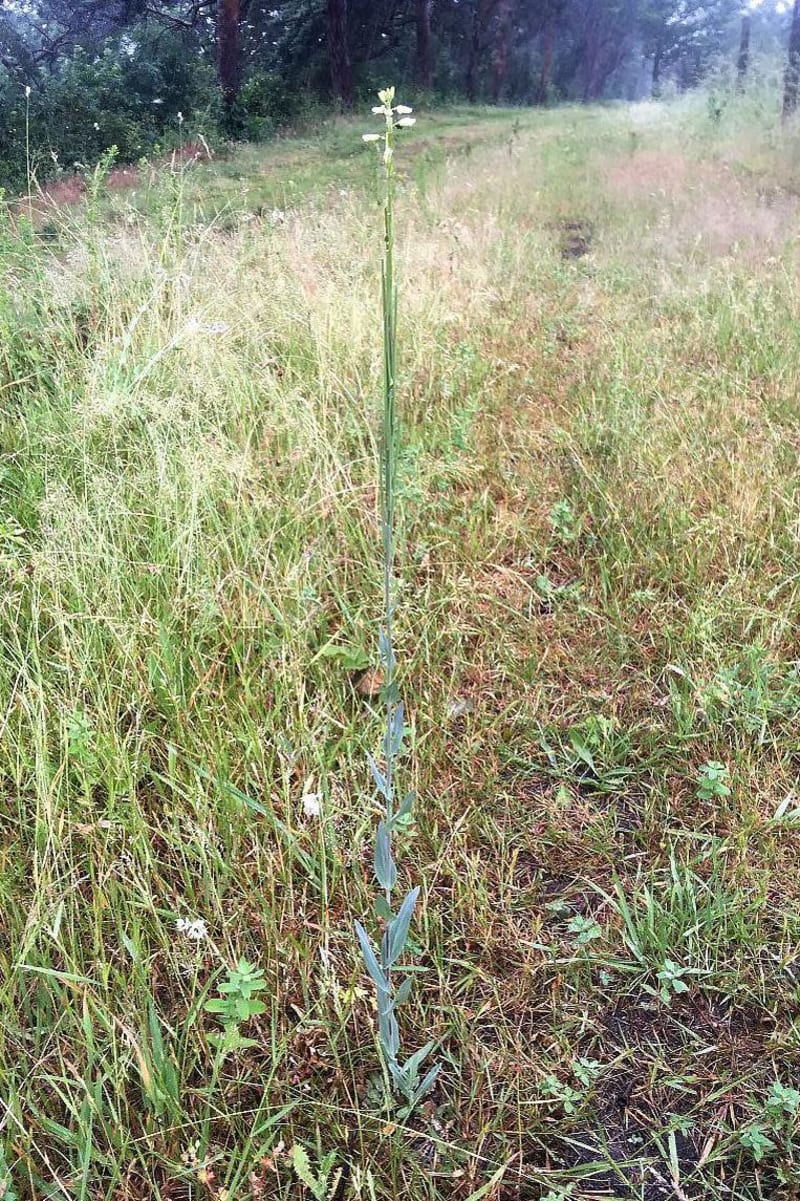
Conservation group Citizen Zoo launched the groundbreaking project after discovering tower mustard survives at only two locations in London and about 30 sites across all of England. The small white flowering plant, which grows about three feet tall, provides critical food for bees, butterflies, and rare moths.
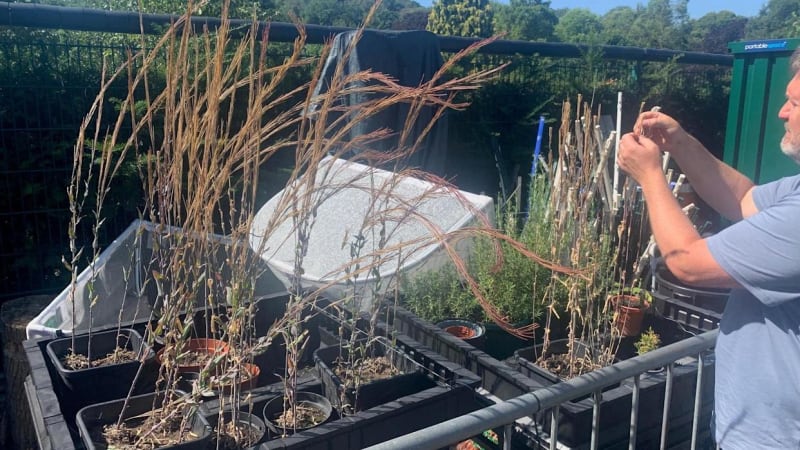
Here's how it works: Volunteers receive seeds collected from London's last remaining tower mustard populations. They nurture the plants at home for several months, then join organized planting days in autumn to establish new colonies at five historic sites across Greater London.
"We are looking forward to giving residents the unique opportunity to get hands-on in conserving one of London's rarest plants," said Charlotte Harris, nature conservation manager at Habitats & Heritage, a partner organization. The charity will host a training session in Twickenham on March 14th to teach participants proper growing techniques.
Tower mustard was once common throughout the UK. However, habitat destruction and changing land management practices pushed it onto the national red list as near threatened, making this community effort crucial for its survival.
The Ripple Effect
This marks Citizen Zoo's first plant conservation project in London, but they've already proven the home-growing model works. Their "hop of hope" project successfully had volunteers rear large marsh grasshoppers at home before releasing them into Norfolk wetlands.
Elliot Newton, director of rewilding at Citizen Zoo, believes community collaboration is essential. "The mission to rewild our city isn't something we can achieve alone," he explained, emphasizing that bringing species back requires teamwork between conservation groups, local authorities, and everyday Londoners.
The project demonstrates how urban rewilding can happen at any scale. By growing endangered plants on balconies and windowsills, city residents become active participants in restoring biodiversity to their neighborhoods.
Funding from the Mayor of London's Green Roots Fund and Thames Water makes this grassroots conservation possible, turning ordinary homes into miniature nature reserves.
London's rarest plant is getting a second chance, one home garden at a time.
More Images


Based on reporting by Google: volunteers help
This story was written by BrightWire based on verified news reports.
Spread the positivity!
Share this good news with someone who needs it