London's Offline Club Draws Crowds Craving Phone-Free Time
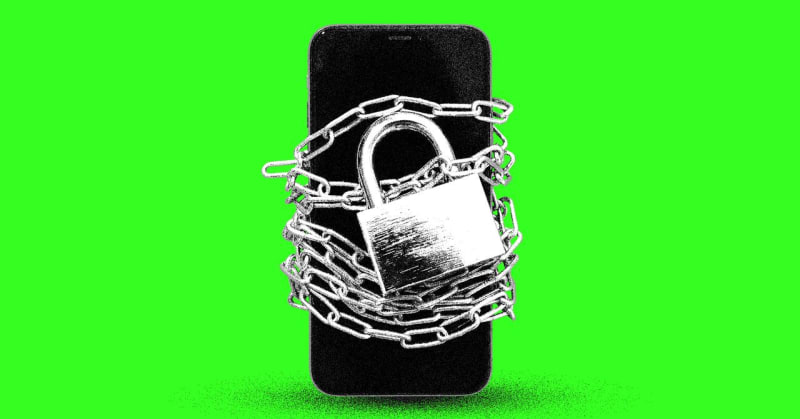
Hundreds of Londoners are paying $17 to lock away their phones and spend two hours in silence, crafts, and conversation. The Offline Club's events now sell out regularly across 20 European cities as people seek relief from constant digital noise.
In a quiet East London office space, 40 people willingly hand over their smartphones and spend the next two hours coloring, reading puzzles, and talking to strangers without any screens in sight.
Welcome to the Offline Club, where being disconnected is the entire point. Founded in 2021 by three Dutch friends after an off-grid weekend retreat, the movement has exploded across Europe with phone-free hangouts now running in 20 cities.
The format is simple but apparently irresistible. Attendees pay around $17 for entry, surrender their phones to a locked cabinet, then spend an hour in complete silence doing whatever analog activity they choose. The second hour opens up for face-to-face conversation with fellow participants.
London's branch took off last summer after organizing 2,000 people to watch the sunset from Primrose Hill without a single phone blocking the view. Since then, events have sold out regularly.
The crowd spans ages 25 to 40 and includes everyone from video producers to insurance adjusters. Ironically, one regular attendee is Sangeet Narayan, a Meta engineer who codes the notification systems for Facebook, Instagram, and WhatsApp by day but admits he feels addicted to his phone.
Cohost Laura Wilson calls it "a gentle rebellion" against the frenetic pace of city life. "It's like a free pocket of time where you kind of have no responsibilities for a while," she explains.
Why This Inspires
In our hyperconnected world, the Offline Club's success reveals something profound about what we're missing. These aren't technophobes or digital detox extremists. They're ordinary people who simply crave unscheduled moments of presence and authentic human connection.
The movement taps into a growing recognition that constant connectivity comes at a cost. When spending two hours without your phone feels radical enough to charge admission for, it highlights how rare genuine downtime has become.
What makes this truly hopeful is how naturally people embrace the experience once given permission and structure. Strangers fall easily into conversation, creative pursuits feel rewarding again, and time passes without the anxious checking of notifications.
One attendee, who grew up attending Quaker meetings with their long periods of collective silence, found in the Offline Club a secular version of that contemplative practice. Others discovered they could focus deeply on books or puzzles in ways that felt impossible at home.
The Offline Club proves we haven't lost our capacity for stillness and connection; we've just buried it under layers of digital distraction. Sometimes reclaiming our attention is as simple as putting the phone in a locker and sitting down with a coloring pencil and fellow humans seeking the same refuge.
More Images




Based on reporting by Wired
This story was written by BrightWire based on verified news reports.
Spread the positivity!
Share this good news with someone who needs it