Long Beach Tackles 2,000 Tons of River Trash Yearly
Long Beach is teaming up with LA County and a Dutch ocean cleanup nonprofit to stop thousands of tons of trash from flowing into its beaches and waterways each year. The city just approved a partnership that could transform how Southern California protects its coastline.
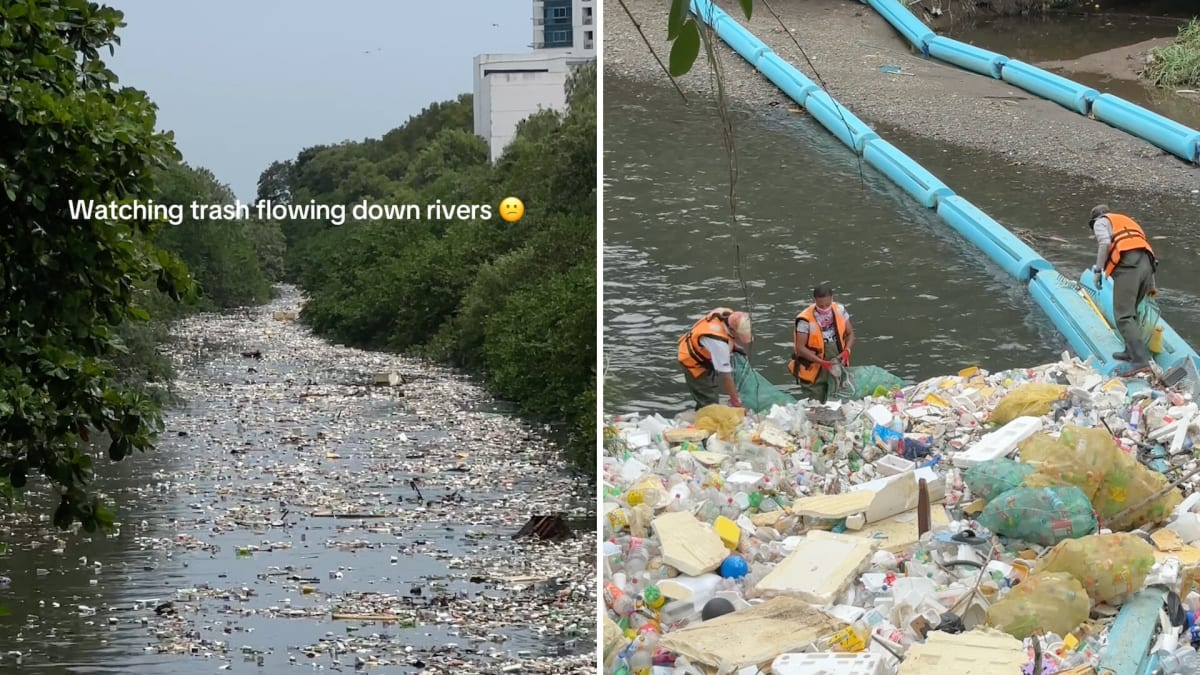
Long Beach handles a staggering problem most beachgoers never see: 2,000 tons of trash and debris washing down from the Los Angeles River into its marinas and ocean waters every single year.
The city just took a major step toward solving it. This week, the Long Beach City Council unanimously approved a partnership with LA County and The Ocean Cleanup, a Dutch nonprofit that develops cutting-edge technology to remove plastic from the world's oceans.
"We want to find ways to better protect and clean our beaches, a way that is sustainable financially," said Mayor Rex Richardson. "The region should step up and help, because it's the burden and the waste that's upriver that impacts our communities."
Long Beach sits at the end of the LA River watershed, which means trash from cities upstream becomes their problem. Despite street sweeping, storm drain screens, and regular cleanup crews, thousands of tons still make it through each year.
LA County already operates a trash boom at the river's mouth that catches about 2,000 tons annually. But that's just the beginning of what flows downstream after rainstorms.
The new partnership will advance Long Beach's Marine Debris and Trash Capture Project, which aims to intercept even more trash before it reaches the ocean. A feasibility study identified promising solutions: specialized booms that guide trash to collection points, mechanical screens, and riverside removal stations.
The pilot project carries a price tag of $5.9 million to $9.2 million in upfront costs, with annual operating expenses of $1.9 million to $3.1 million. Long Beach currently has $4.3 million budgeted and will work with partners to secure the rest.
Public Works Director Josh Hickman said the city will spend through 2027 on design, permits, and regulatory work. If all goes according to plan, the new trash interception system will launch in early 2028.
The Ripple Effect
This collaboration represents more than just cleaner beaches for Long Beach residents. It's a model for how coastal cities can work together with upstream communities to solve shared environmental challenges.
Councilmember Kristina Duggan noted the city is reimagining its coastline as more than just an industrial port. "It's an asset that benefits our residents and drives visitors to our city," she said.
The Ocean Cleanup brings global expertise in marine debris removal, having developed systems to tackle trash in oceans worldwide. Their involvement means Long Beach gains access to proven technologies and innovation that might have taken years to develop independently.
The project will improve water quality, protect marine life, and ensure that both residents and tourists can enjoy pristine beaches without mountains of upstream garbage washing ashore after every storm.
Success here could inspire similar partnerships across California's coast, where many cities face identical challenges from watershed pollution they didn't create but must constantly clean up.
Long Beach is proving that regional cooperation, innovative technology, and sustained commitment can turn the tide on ocean trash.
More Images
Based on reporting by Google News - Ocean Cleanup
This story was written by BrightWire based on verified news reports.
Spread the positivity!
Share this good news with someone who needs it