Longevity Gene' Boosts Brain's DNA Repair Against Alzheimer's
Scientists discovered why people with the APOE2 gene live longer and rarely get Alzheimer's: their brain cells are better at repairing DNA damage. The breakthrough could lead to new treatments that protect everyone's brain, especially those at higher risk.
A special gene that helps some people live past 100 may hold the secret to preventing Alzheimer's disease, according to groundbreaking new research.
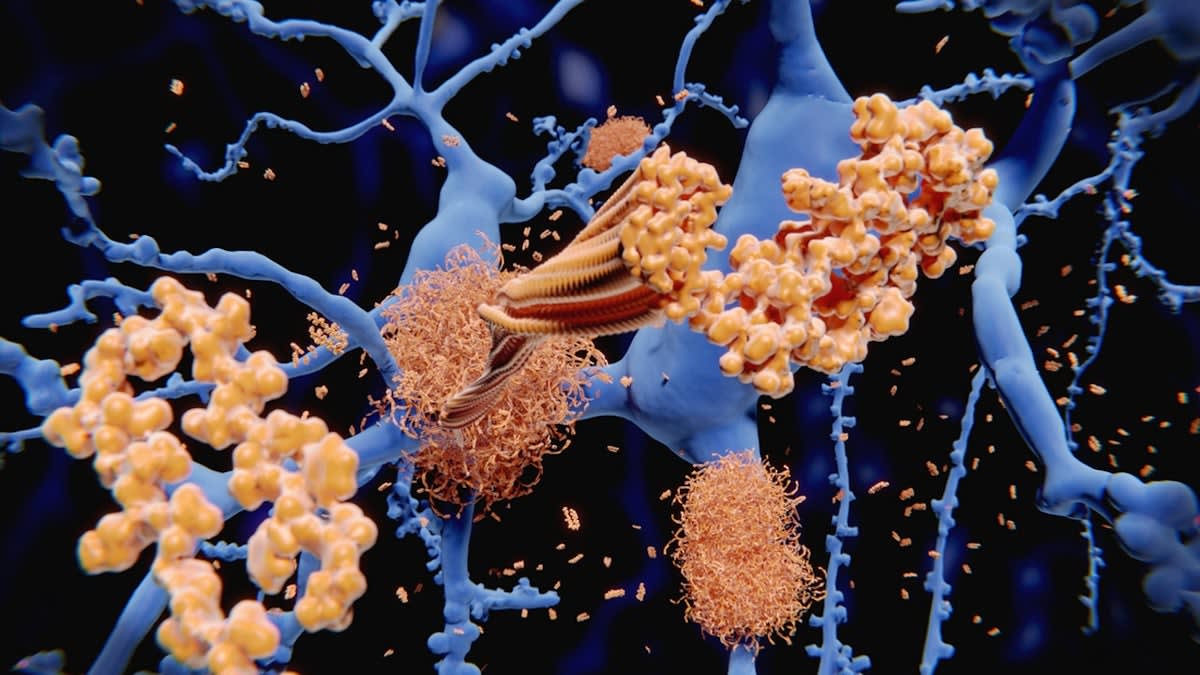
Scientists at the Buck Institute for Research on Aging discovered that the APOE2 gene variant doesn't just help transport cholesterol in the brain. It actually supercharges neurons' ability to repair DNA damage and resist the wear and tear of aging.
The research team grew human brain cells from stem cells and compared how different gene variants handled stress. Brain cells with APOE2 bounced back from damage like champions, while cells with the APOE4 variant (linked to higher Alzheimer's risk) struggled and aged faster.
"We found that APOE2 helps human neurons better repair DNA damage and resist becoming senescent, or aged and dysfunctional," said senior author Dr. Lisa Ellerby. The team was surprised to find this protective mechanism, since APOE has been known for decades only for its cholesterol transport role.
The discovery gets even more exciting. When researchers added APOE2 protein to APOE4 neurons, it reduced their DNA damage after radiation exposure. That means the protective benefits might be transferable.
Why This Inspires
This research opens a door that scientists didn't know existed. About 25% of Americans carry the APOE4 variant, which significantly raises Alzheimer's risk. But now researchers have a specific target: boosting DNA repair systems in the brain.
Dr. Christopher Weber from the Alzheimer's Association called the study "exciting and significant," noting it "shifts attention beyond APOE's well-known role in cholesterol transport toward a new function." The organization now has 13 active projects across four countries investigating APOE2's protective powers.
Columbia University researcher Dr. Caghan Kizil explained what makes this work special: "This study goes beyond the long-known observation that APOE2 is linked to longevity and aims to explain why this protection may happen."
The research, published in Aging Cell, suggests future treatments could mimic APOE2's effects or strengthen the brain's natural repair systems. The goal isn't just treating Alzheimer's after symptoms appear, but preventing vulnerable brains from becoming diseased in the first place.
Weber emphasized the long-term vision: helping vulnerable brains age more like resilient ones. As our understanding grows, so does hope for the 6.7 million Americans currently living with Alzheimer's and the millions more at risk.
The findings remind us that some of nature's best protective mechanisms are already written into our biology, just waiting to be understood and harnessed.
More Images



Based on reporting by Fox News Health
This story was written by BrightWire based on verified news reports.
Spread the positivity!
Share this good news with someone who needs it