Looters Caught, Reveal 2,000-Year-Old Pilgrim Workshop
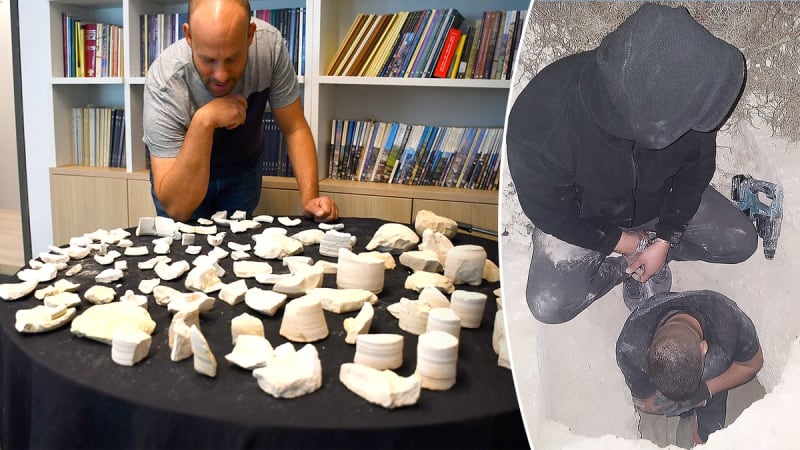
A sting operation against antiquities thieves in Jerusalem accidentally uncovered an ancient industrial workshop that supplied stone vessels to pilgrims traveling to the Second Temple. Five suspects confessed after being caught red-handed with tools in the underground cave.
Police raids don't usually end with major archaeological discoveries, but that's exactly what happened when Israeli authorities tracked down looters on Mount Scopus in Jerusalem.
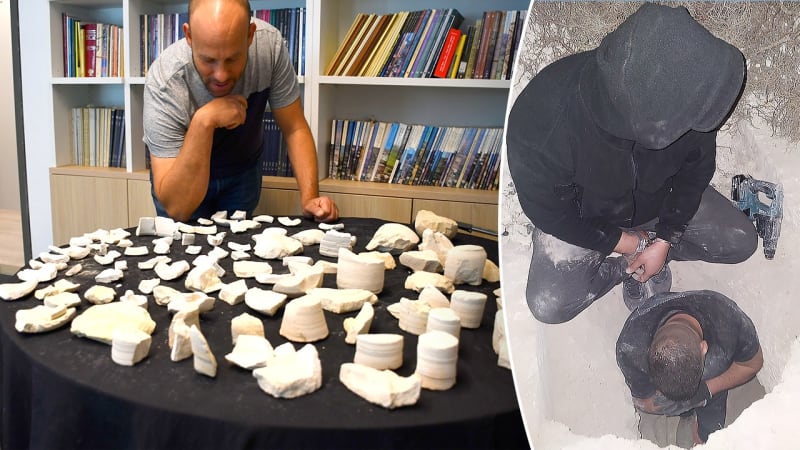
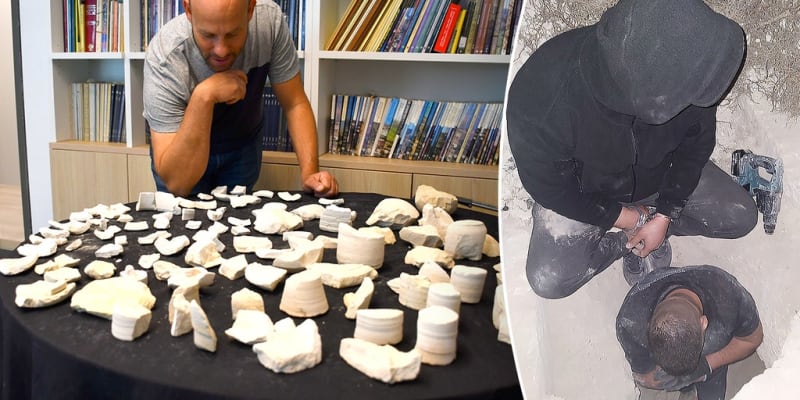
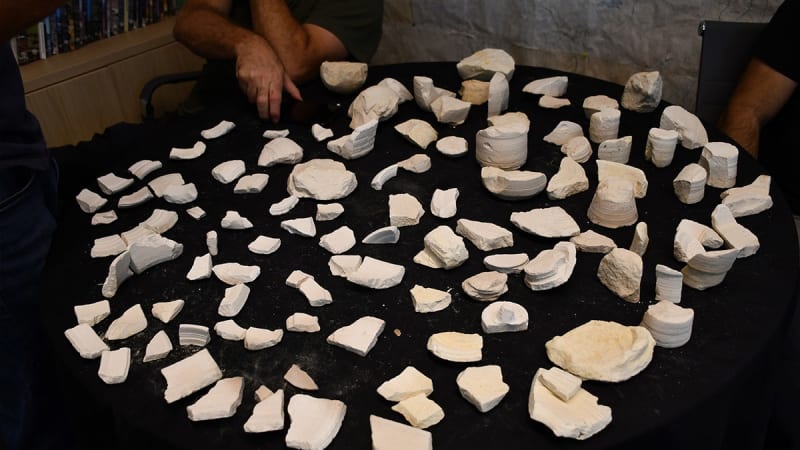
The Israel Antiquities Authority caught five suspects with quarry tools and a metal detector inside an underground cave. What they found around the thieves stunned them: hundreds of stone vessel fragments from a 2,000-year-old workshop.
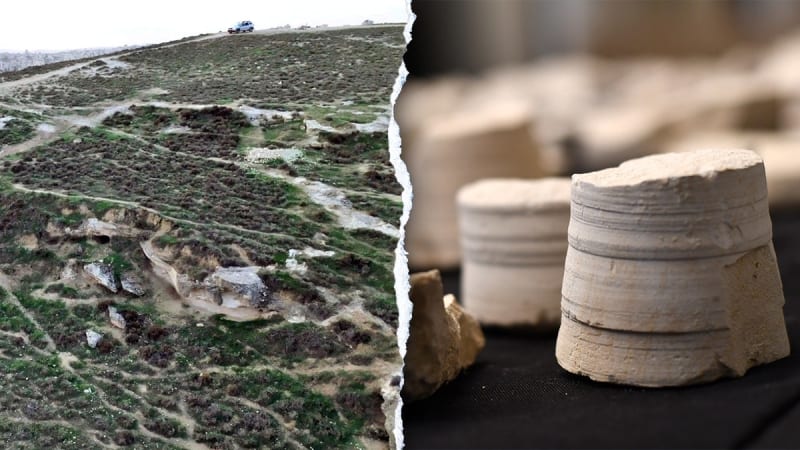
The workshop operated during the Second Temple period, the same era when Jesus lived and preached in Jerusalem. It sat along a main road used by Jewish pilgrims traveling to and from the Jordan Valley, Jericho, and the Dead Sea region.
Archaeologists discovered production waste, unfinished items, and fragments that tell the story of an industrial-scale operation. The workshop mass-produced stone vessels for both Jerusalem residents and visiting pilgrims during one of Judaism's most significant historical periods.
"It seems that the vessels produced here were marketed in the streets of Jerusalem," officials said. These weren't just everyday containers. The stone vessels played a crucial role in Jewish religious life.
The Ripple Effect
The discovery helps archaeologists understand daily life during a revolutionary period in Jewish history. Ancient sources describe widespread strictness in purity laws that affected every person during this time.
Eitan Klein, deputy director of the Theft Prevention Unit, explained the vessels served multiple purposes including drinking and storing grain. The production and use of stone vessels was unique to the Jewish population because of religious purity requirements.
The timing couldn't be better for researchers. Klein noted that the workshop discovery is "particularly important, because now a broad picture of the region is emerging." Combined with other recent finds, it paints a clearer picture of how ancient Jerusalem functioned as both a city and pilgrimage destination.
The five suspects confessed and face up to five years in prison for damaging and illegally excavating an antiquities site. Their arrests may have started as law enforcement, but they ended up preserving a piece of history that had waited underground for two millennia.
The artifacts now sit on display at the Jay and Jeanie Schottenstein National Campus for the Archaeology of Israel in Jerusalem, where visitors can see the vessels that once served ancient pilgrims on their sacred journeys.
More Images
Based on reporting by Fox News Travel
This story was written by BrightWire based on verified news reports.
Spread the positivity!
Share this good news with someone who needs it