Los Angeles Rivers Get Trash Traps Before 2028 Olympics
Two new devices will capture plastic before it reaches the Pacific Ocean, joining a system that's already removed 206 tons of trash. The Ocean Cleanup aims to make plastic pollution "a thing of the past" in Southern California bays.
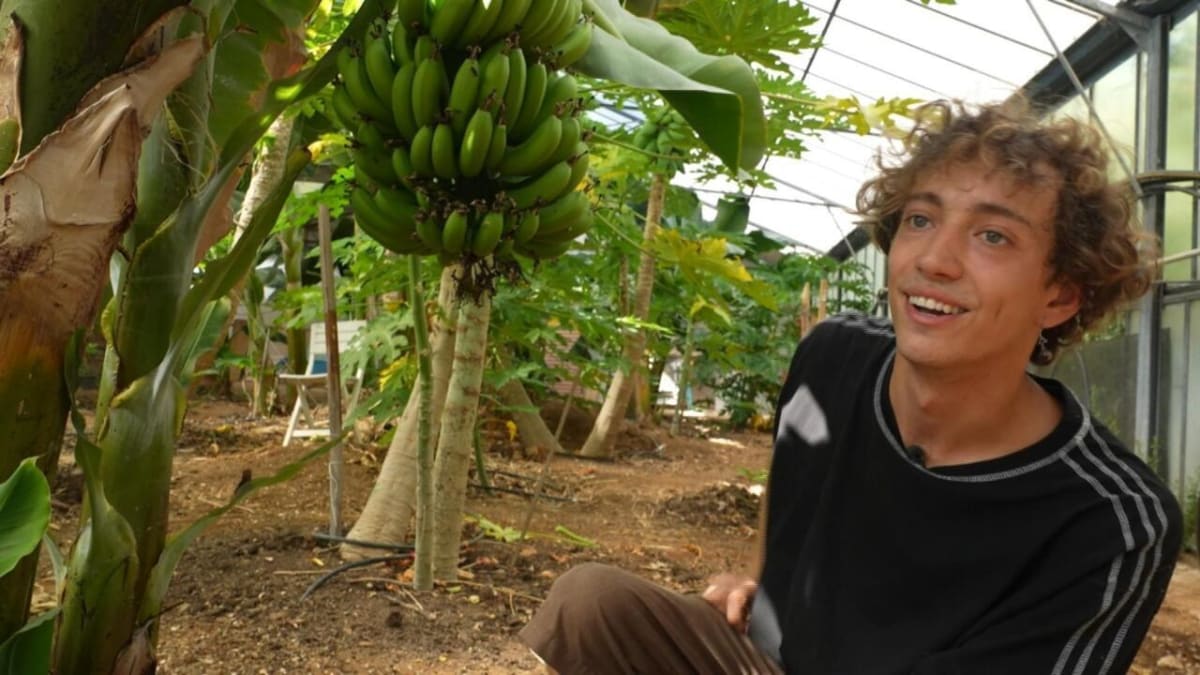
When Dutch inventor Boyan Slat went scuba diving in Greece as a teenager, he saw more plastic bags than fish. Instead of shrugging it off, he started a nonprofit that's now changing Los Angeles rivers.
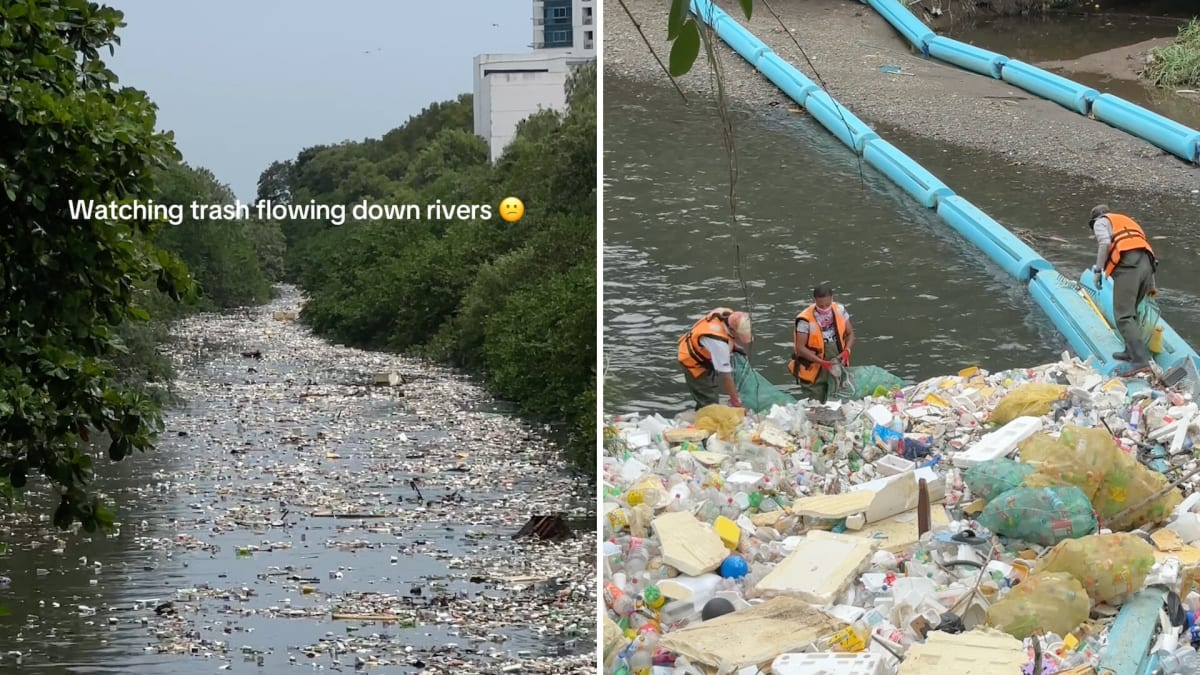
The Ocean Cleanup announced this week it will install two massive trash interceptors on the Los Angeles and San Gabriel rivers before the 2028 Summer Olympics. These floating barriers will catch plastic bottles, food containers, and other debris before they flow into the Pacific Ocean at Long Beach and Seal Beach.
The nonprofit already proved the concept works. A similar device installed in Ballona Creek near Marina del Rey in October 2022 has captured 206 tons of garbage that would have otherwise choked marine life and littered beaches.
"By bringing these interceptors here now to the two other rivers, we should be able to call plastic pollution in Santa Monica Bay and San Pedro Bay a thing of the past," Slat said during a phone interview while jogging near the Santa Monica Pier.
Rivers dump roughly 80% of the plastic that ends up in oceans worldwide. That's why Slat shifted focus from mid-ocean cleanup to stopping trash at its source.
His journey hasn't been easy. Early ocean cleanup systems broke apart in storms. The organization nearly went bankrupt. "At times it's been like, how on earth are we going to make this work?" Slat admitted.
But persistence paid off. The Ocean Cleanup now operates in 30 cities globally, targeting the places that contribute most to ocean plastic. They've installed trash interceptors in Malaysia, Jamaica, Guatemala, and Indonesia, where waste management systems need the most support.
The Ripple Effect
Los Angeles County will operate the new interceptors at a cost between $2 million and $4 million annually. That investment protects birds, fish, and sea creatures that get tangled in floating trash. It also keeps microplastics from working their way up the food chain into the fish we eat.
The Ocean Cleanup's ultimate goal stretches far beyond Southern California. Slat plans to install trash-catching systems in 200 cities worldwide. His team is now perfecting drone technology to position cleanup systems in ocean areas with the highest plastic concentration.
The newest design features a boom stretching 1.3 miles that successfully captures plastic in powerful seas. "Everything works now. We know what to do," Slat said. "Humanity now has all the tools it needs to get back to a clean ocean."
Olympic visitors in 2028 will swim and surf in cleaner waters, thanks to technology born from one teenager's refusal to accept pollution as inevitable.
More Images


Based on reporting by Google News - Ocean Cleanup
This story was written by BrightWire based on verified news reports.
Spread the positivity!
Share this good news with someone who needs it