Lost 1940s Chinese Typewriter Found in Storage Unit
A woman discovered her late father's mysterious 50-pound machine was the only MingKwai typewriter ever made. The 1940s prototype solved how to type thousands of Chinese characters and inspired today's digital keyboards.
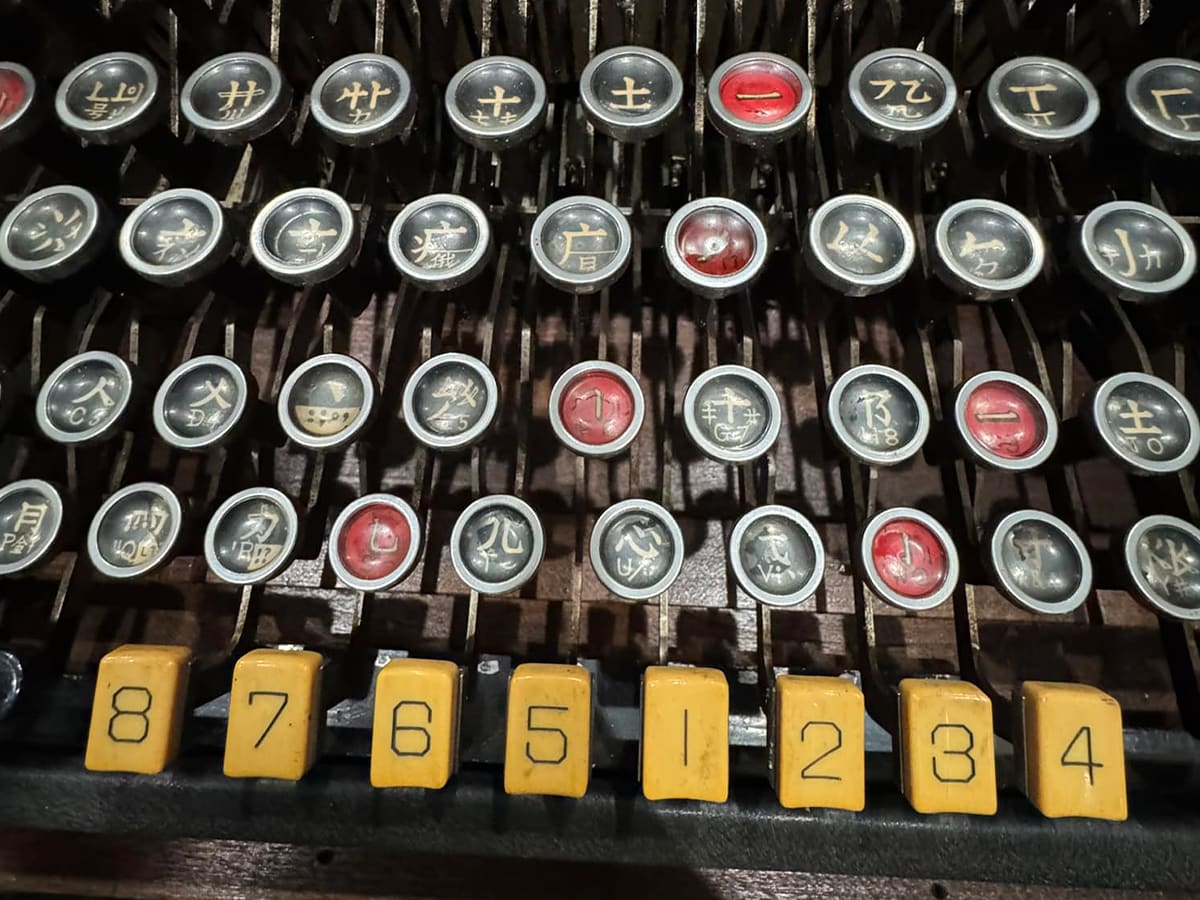
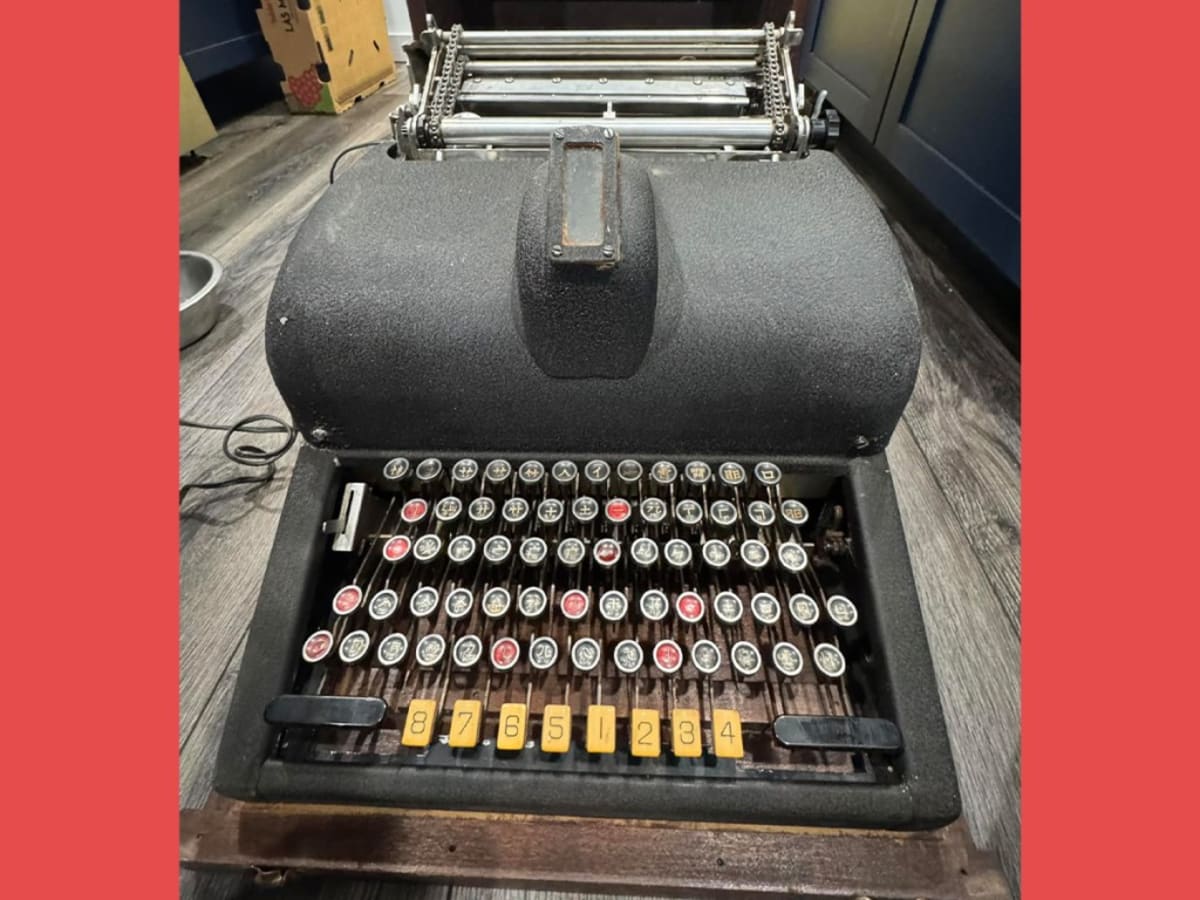
When Jennifer Felix found a strange 50-pound machine in her late father's Arizona storage unit, she had no idea it was a piece of history everyone thought was lost forever.
The device looked like an old typewriter, but the keyboard symbols weren't in English. Jennifer and her husband Nelson were stumped, so they posted photos to a Facebook group called "What's My Typewriter Worth?" By the time they returned from dinner, people around the world were frantically trying to contact them.
The machine was the MingKwai, an experimental Chinese typewriter built by author and linguist Lin Yutang in 1947. It was the only one ever created, and researchers thought it had vanished decades ago.
Lin faced a tricky problem when designing his typewriter. English only needs 26 keys for its alphabet, but written Chinese uses thousands of characters. His brilliant solution didn't require a key for every character.
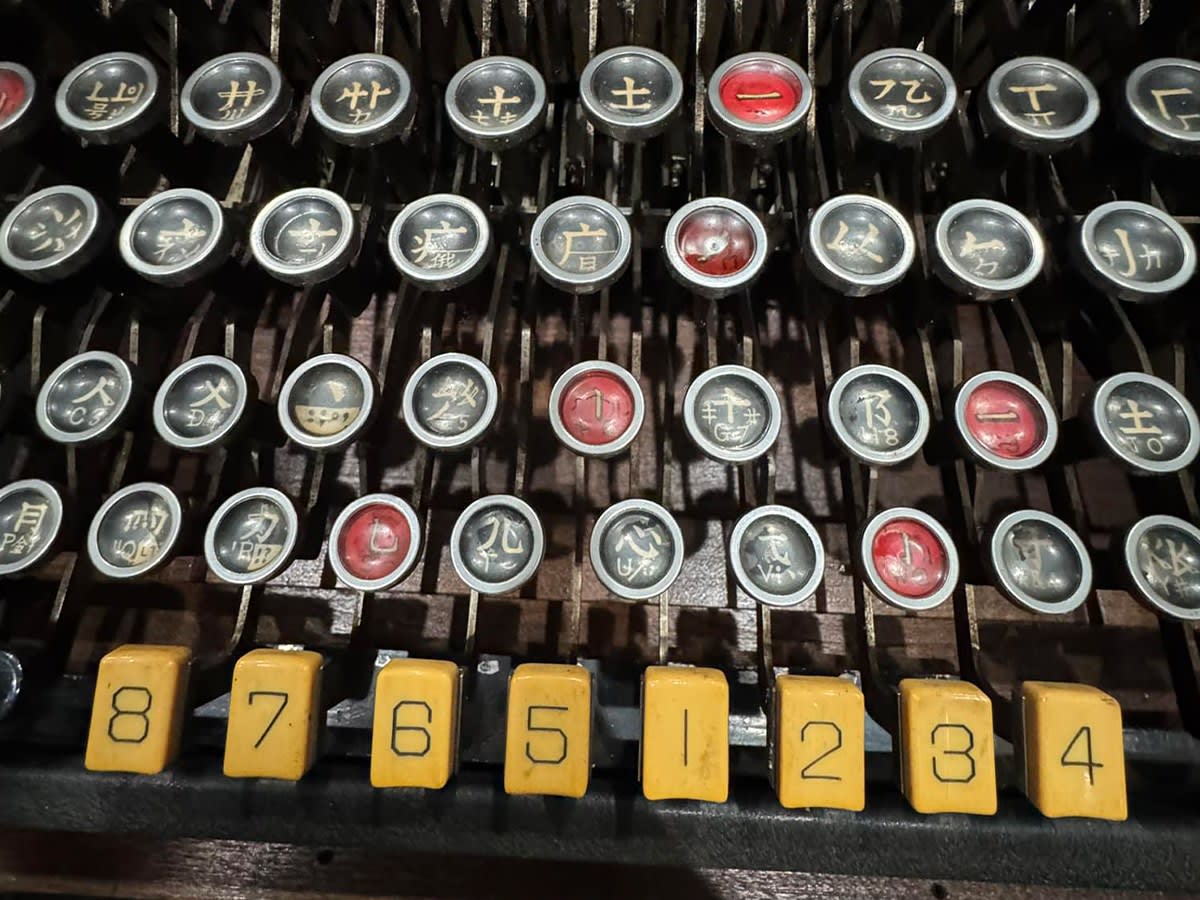
Instead, the MingKwai used just 72 keys. A typist pressed keys for different parts of a character, and the machine searched through thousands of possibilities, displaying up to eight matches in a small window Lin called the "Magic Eye." The typist then selected the correct character using a numbered key.
The invention drew attention from The New York Times and typewriter manufacturer Remington in 1947. But during a demonstration for executives, the MingKwai malfunctioned. Political turmoil from the Chinese Communist Revolution, potential alphabet changes in China, and the Korean War killed any hope of mass production.
Lin eventually sold the prototype to Mergenthaler Linotype Company in Brooklyn, where Jennifer's grandfather worked as a machinist. Somehow the machine ended up in his possession, stored in a handmade wooden crate before Jennifer's father inherited it and moved it to Arizona.
The Ripple Effect
The MingKwai never reached production, but Lin's core idea survived. When MIT engineers built early Chinese-language computers in the 1950s, they faced the same challenge and used a similar solution.
Today, anyone typing Chinese on a computer or smartphone follows Lin's basic principle. You enter information, the device suggests possible characters, and you select what you want. The mechanical gears are gone, but the search-based approach lives on in billions of devices worldwide.
The original MingKwai now sits at Stanford University, where researchers used a medical CT scanner to study its intricate machinery without risking damage to the only existing model. They're using what they learned to build a working replica, which would be just the second MingKwai ever made, 75 years after Lin created the first.
More Images


Based on reporting by Upworthy
This story was written by BrightWire based on verified news reports.
Spread the positivity!
Share this good news with someone who needs it