Lost Hiker, 69, Rescued After Dangerous Mount Seymour Descent
A 69-year-old hiker survived a treacherous descent through Mount Seymour's Suicide Gully after getting lost, thanks to North Shore Rescue volunteers who guided him to safety. His rescue highlights life-saving lessons that could help other hikers avoid similar dangers.
When a 69-year-old hiker lost his trail on Mount Seymour's west side Wednesday evening, his instinct told him to head downhill toward safety. That decision nearly cost him his life in one of the North Shore's most dangerous terrain features, aptly named Suicide Gully.
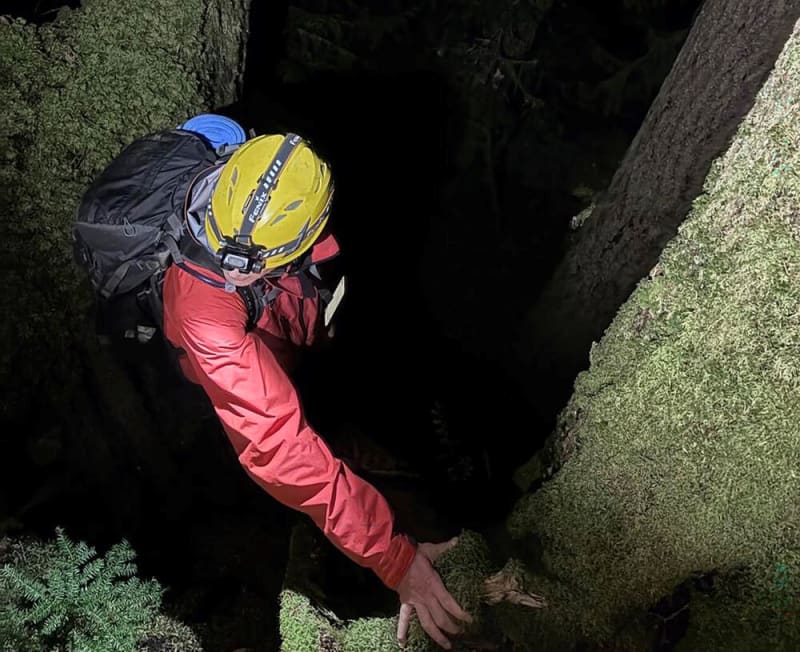
The man was returning from Brockton Point when he veered off course and began bushwhacking down steep slopes. He passed a strategically placed North Shore Rescue supply cache with clear warning signs to stay put, but continued descending through increasingly treacherous terrain.
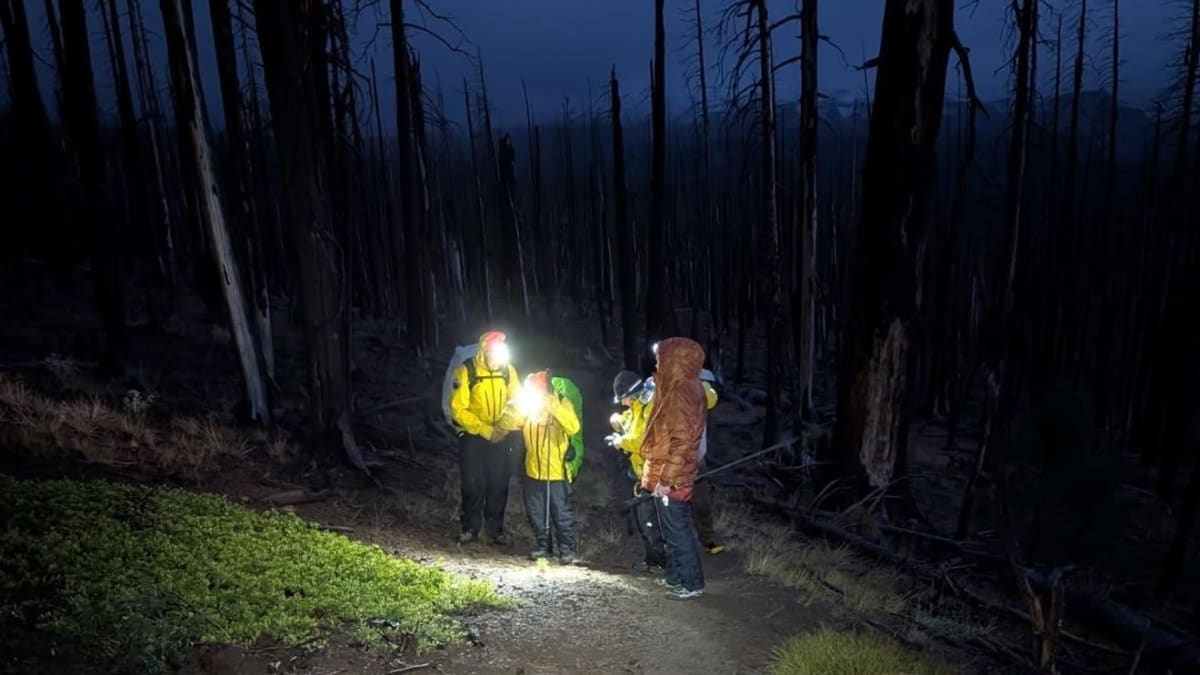
At about 400 meters elevation, he finally got enough cell reception to call 911. A ground team quickly drove to the Lower Seymour Conservation Reserve and hiked up to meet him, carefully escorting him back to safety.
"The cell phone reception is not very good there," explained Dale Weidman, North Shore Rescue's search manager. Without that brief window of signal, the hiker would have spent a cold night on the mountain with inadequate gear, and rescuers wouldn't have known he was missing.
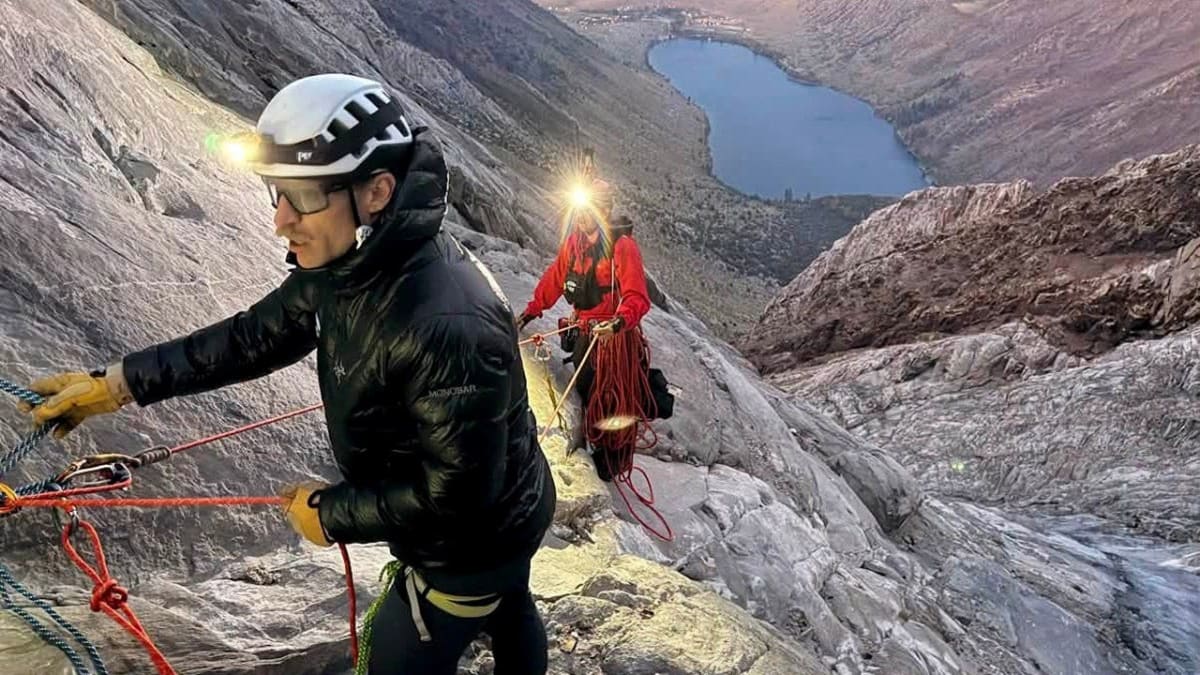
The terrain he descended through becomes progressively steeper and more dangerous. "It looks okay and then it gets steeper as you go," Weidman warned, explaining how the gully leads hikers toward cliffs, drainages, and waterfalls.
The hiker hadn't told anyone his plans or expected return time. That single oversight could have turned a difficult situation into a tragedy.
The Bright Side
This rescue carries crucial lessons that could save lives this winter. North Shore Rescue emphasizes one simple rule: stay put when you're lost, making it easier for rescuers to find you and avoiding potentially deadly terrain.
The team also reminds hikers that icy winter conditions require proper equipment like crampons or microspikes. Those small preparations can mean the difference between a safe hike and a dangerous rescue.
The strategically placed supply caches throughout the North Shore mountains show how rescue teams are working proactively to help lost hikers. These stations offer both emergency supplies and clear guidance to stay in place.
Thanks to the quick response of North Shore Rescue volunteers and one lucky cell signal, this hiker made it home safely with valuable lessons learned.
Based on reporting by Google: rescue saves
This story was written by BrightWire based on verified news reports.
Spread the positivity!
Share this good news with someone who needs it