Lost Holocaust Photos Give 3,800 Victims Their Faces Back
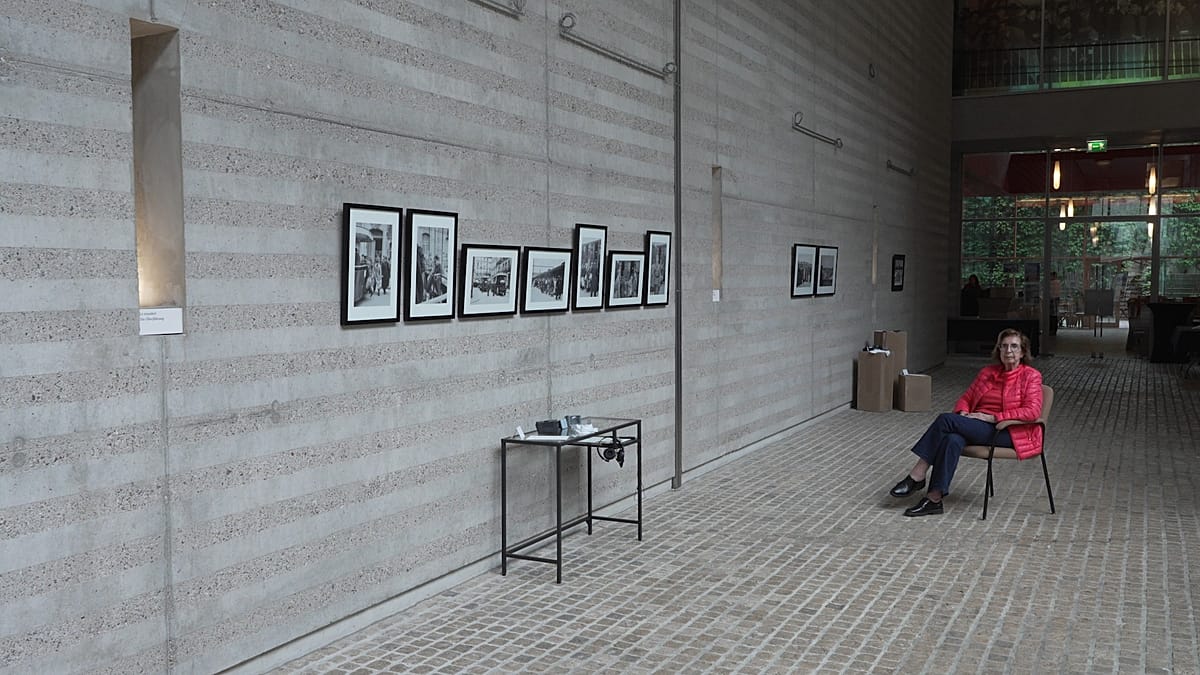
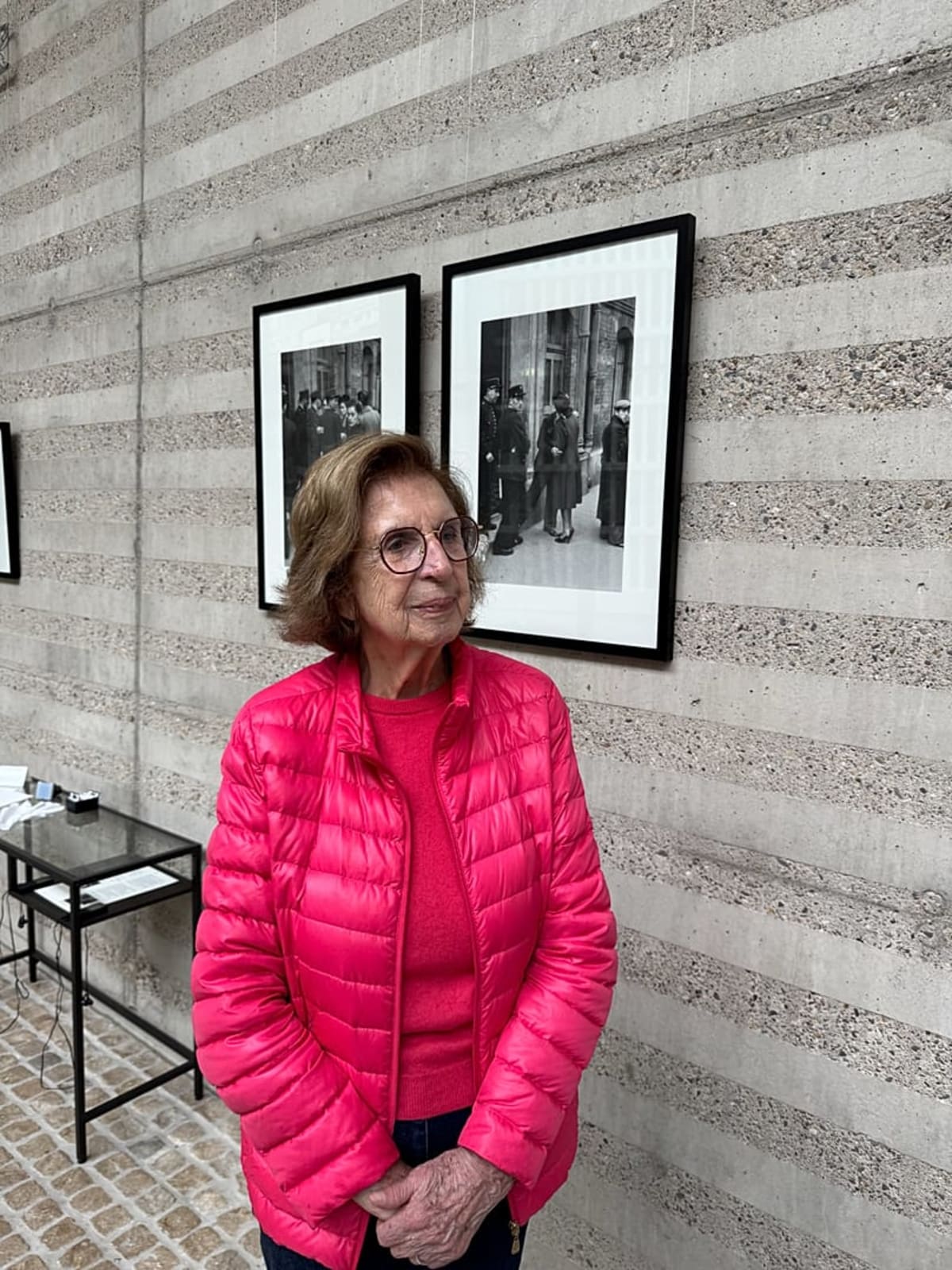
After disappearing for 80 years, 98 photographs from the first major Nazi roundup in Paris have been found and put on display. The images show the individual faces of Jewish men arrested in 1941, giving survivors like 91-year-old Liliane Ryszfeld a precious connection to loved ones murdered in Auschwitz.
A small collection of photographs has brought faces back to thousands of Holocaust victims who disappeared into history.
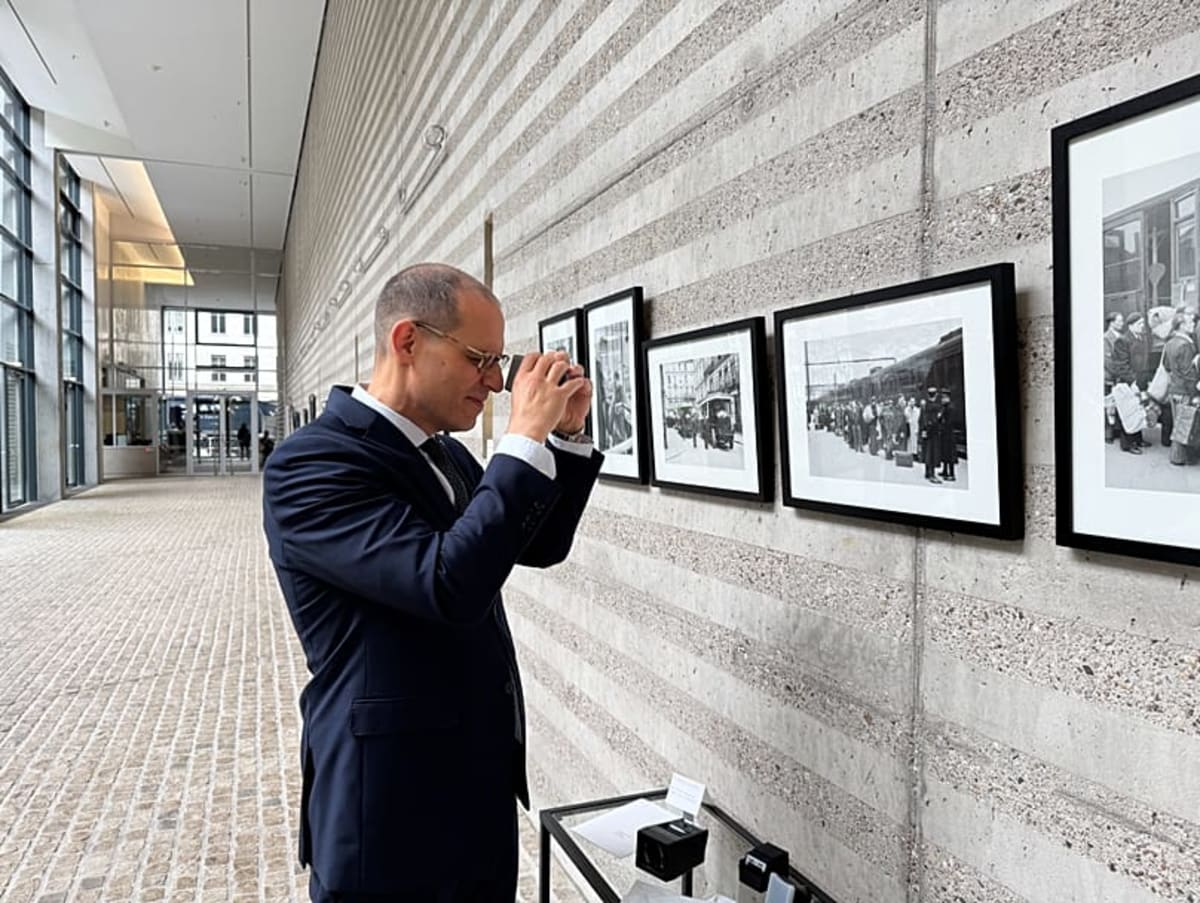
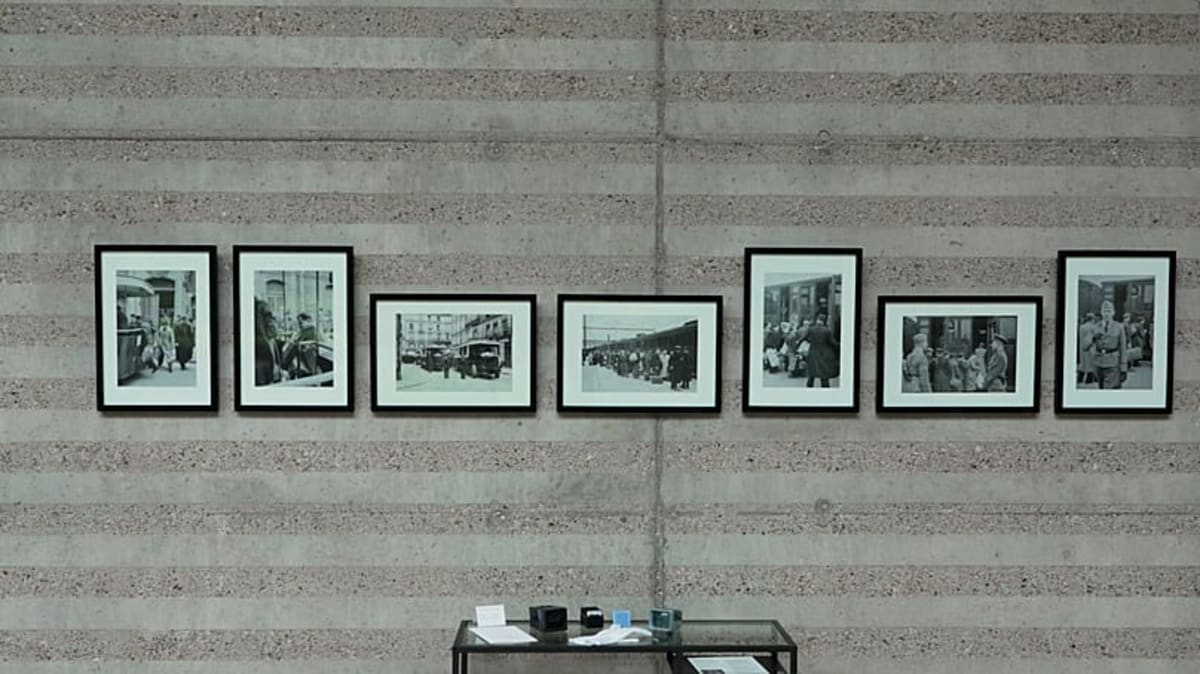
The Mémorial de la Shoah in Paris discovered 98 lost photographs from May 1941, when French police arrested 3,800 Jewish men in the first major roundup in occupied Paris. The images now appear in exhibitions in Paris and Berlin, showing individual men in suits and hats, some looking directly at the camera, each one a person with a story.
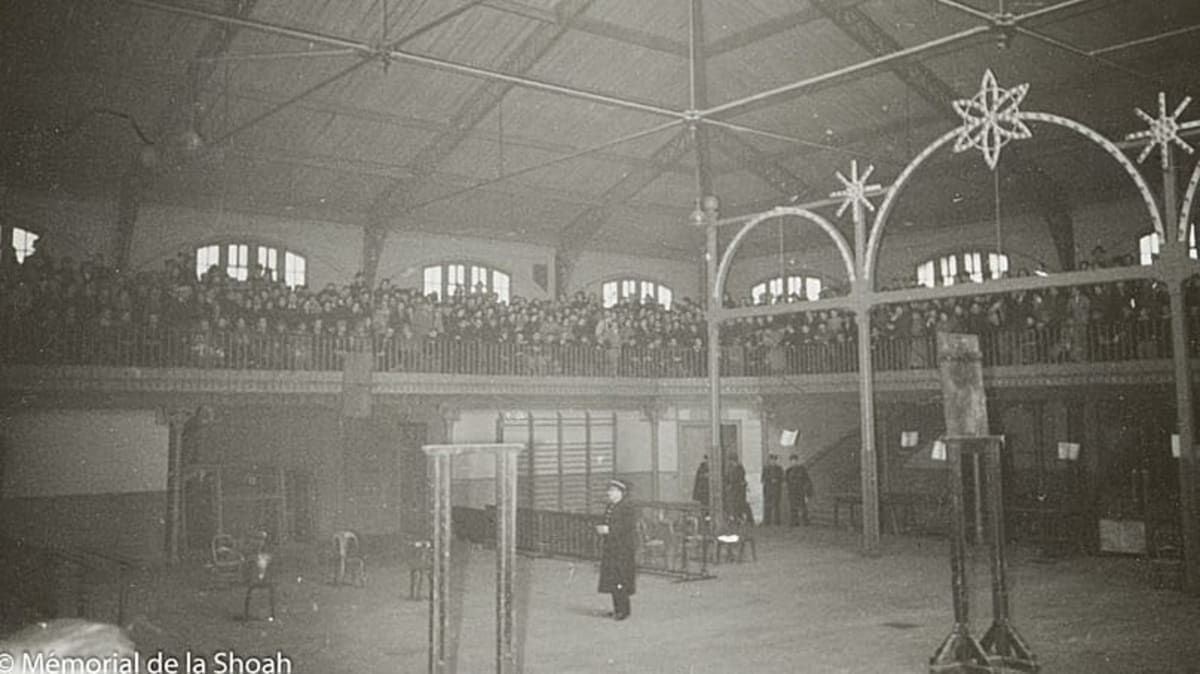
The arrests began with an innocent-looking green slip of paper. Jewish men, mostly from Poland and Czech Republic, received notices to report for what seemed like a routine residence permit check. Instead, they were detained, sent to internment camps, and later deported to Auschwitz-Birkenau where around 3,100 were murdered.
A Wehrmacht photographer named Harry Croner took the pictures on orders from the SS, then the images vanished for eight decades. Croner himself had Jewish heritage through his father and was later deemed "unfit for military service" because of it. He survived the war, became a theater photographer in Berlin, and died in 1992 never knowing his lost photographs would someday matter so much.
For Liliane Ryszfeld, the rediscovered photos are deeply personal. She was six years old when her father Mosjez Stoczyk received his green slip. She remembers walking with her mother to the police station in Vincennes, wearing a blue outfit with smocks and patterns on her dress.
Her father never came home. He was murdered in Auschwitz in June 1942.
"The raid of the green note changed my life forever," Ryszfeld, now 91, said at the Berlin exhibition opening. "The recovered photos are an earth-shattering event for me. This raid was the trigger for all my nightmares."
Why This Inspires
Ryszfeld traveled from Paris to Berlin to speak with German schoolchildren the night before the exhibition opened. At 91, she chooses hope over bitterness. "Being in Germany with young people gives me hope for a peaceful future for generations to come," she said.
The exhibition arrives at a crucial moment. French Ambassador François Delattre emphasized that "while historical falsification is on the rise in Europe and beyond, it is now more important than ever to emphasize that our collective memory must be based on archives, testimonies and independent historical research."
Ryszfeld sees the photographs as more than historical documents. "All photos have a meaning, and above all they are our memory. Our memory and perhaps also our future."
These 98 images transform statistics into individuals, reminding us that behind every number in history stands a real person who loved, hoped, and mattered.
More Images
Based on reporting by Euronews
This story was written by BrightWire based on verified news reports.
Spread the positivity!
Share this good news with someone who needs it