Lost Medieval Capital Found in Russia After 1,000 Years
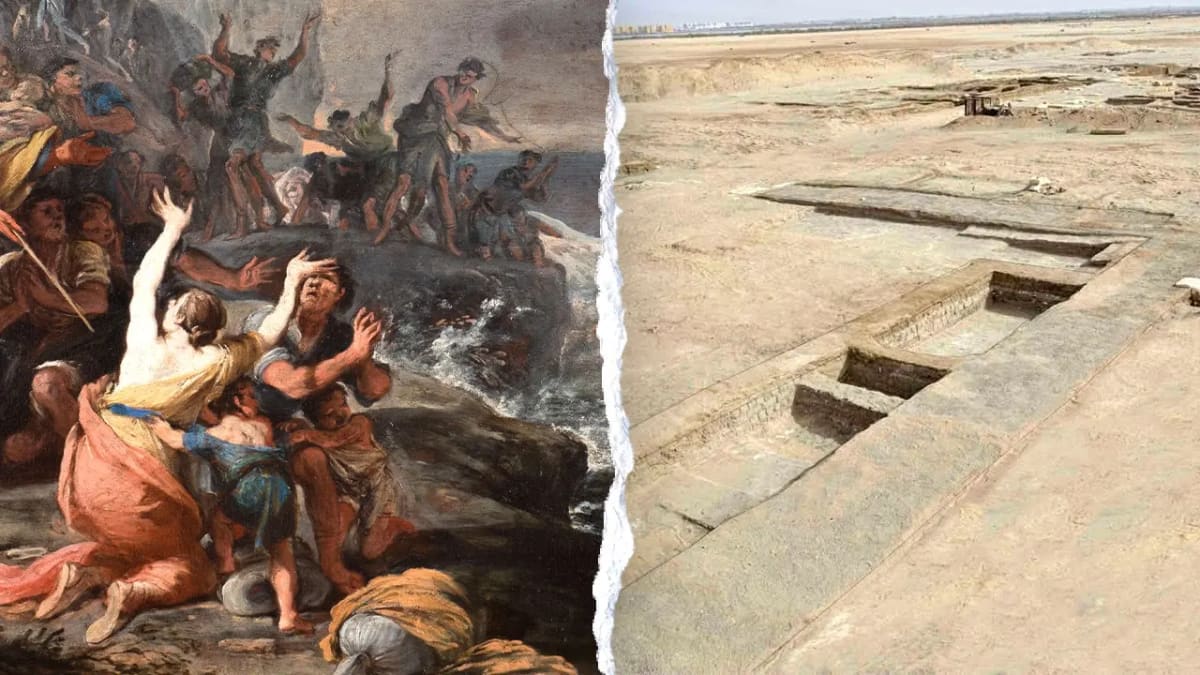
Archaeologists in southern Russia may have found Magas, the legendary capital of the powerful Alanian kingdom that vanished from history a thousand years ago. The massive 350-hectare site could rewrite what we know about medieval trade and culture across Europe and Asia.
After centuries of searching, archaeologists believe they've finally found the lost city of Magas, once the thriving capital of a mighty medieval kingdom in Russia's North Caucasus region.
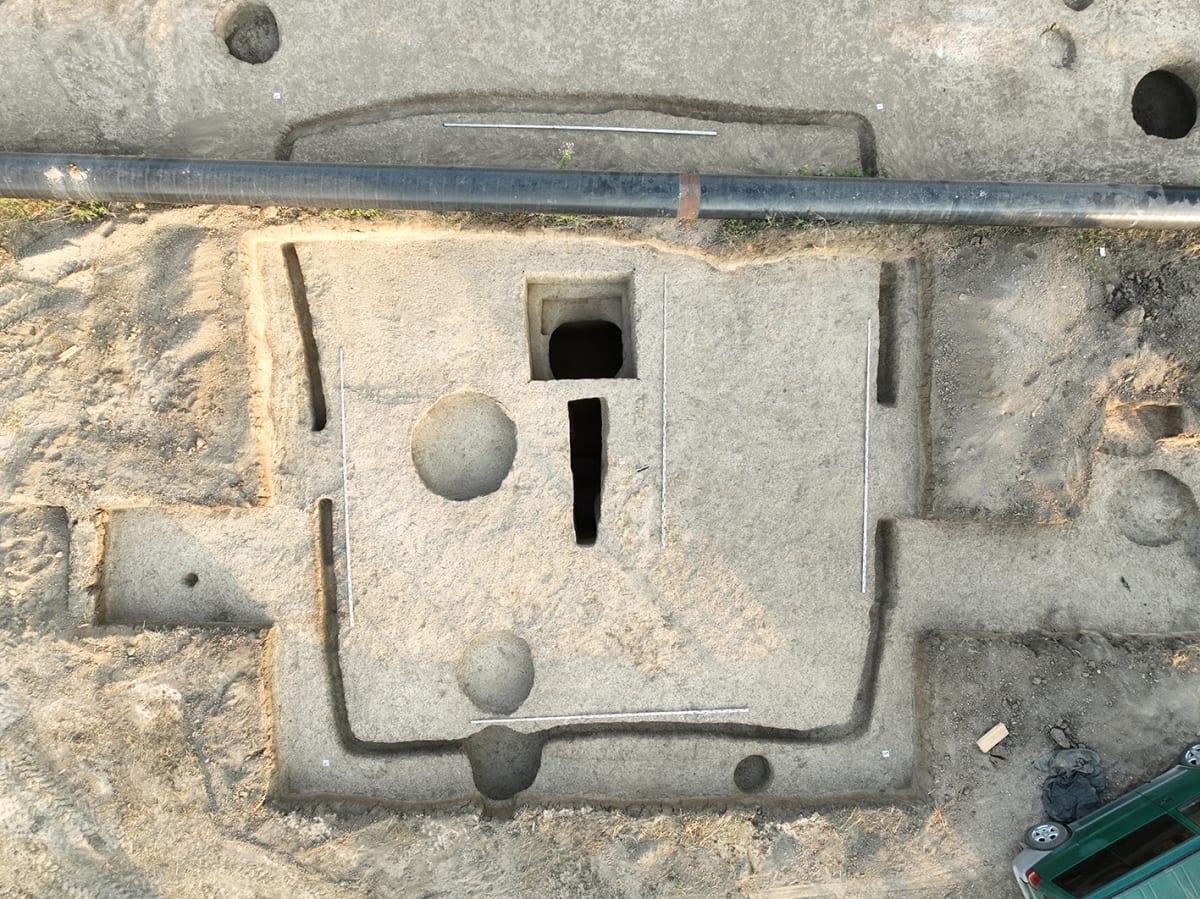
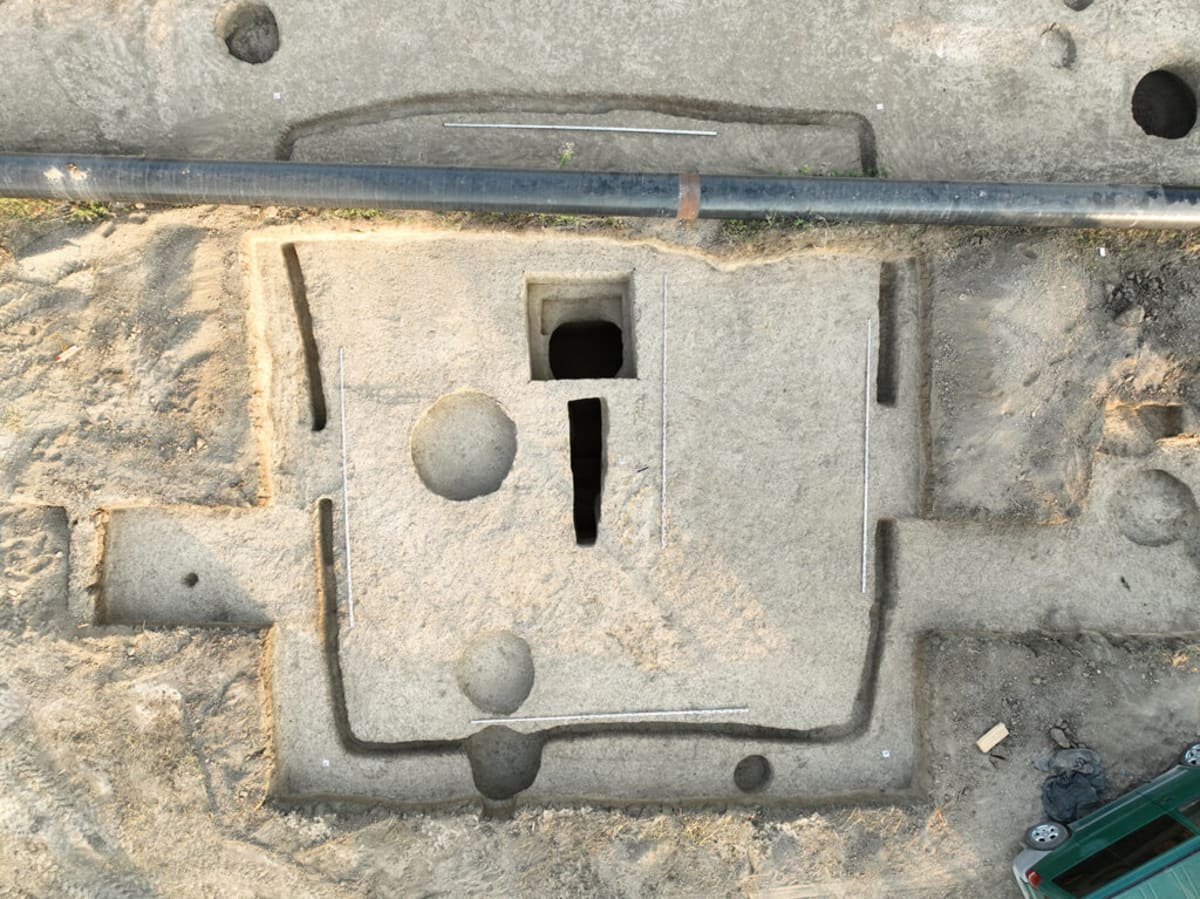
The discovery happened almost by accident. Workers preparing to build a gas pipeline in Chechnya triggered what started as a routine rescue excavation at the Mayrtup burial ground, but researchers quickly realized they'd stumbled onto something extraordinary.
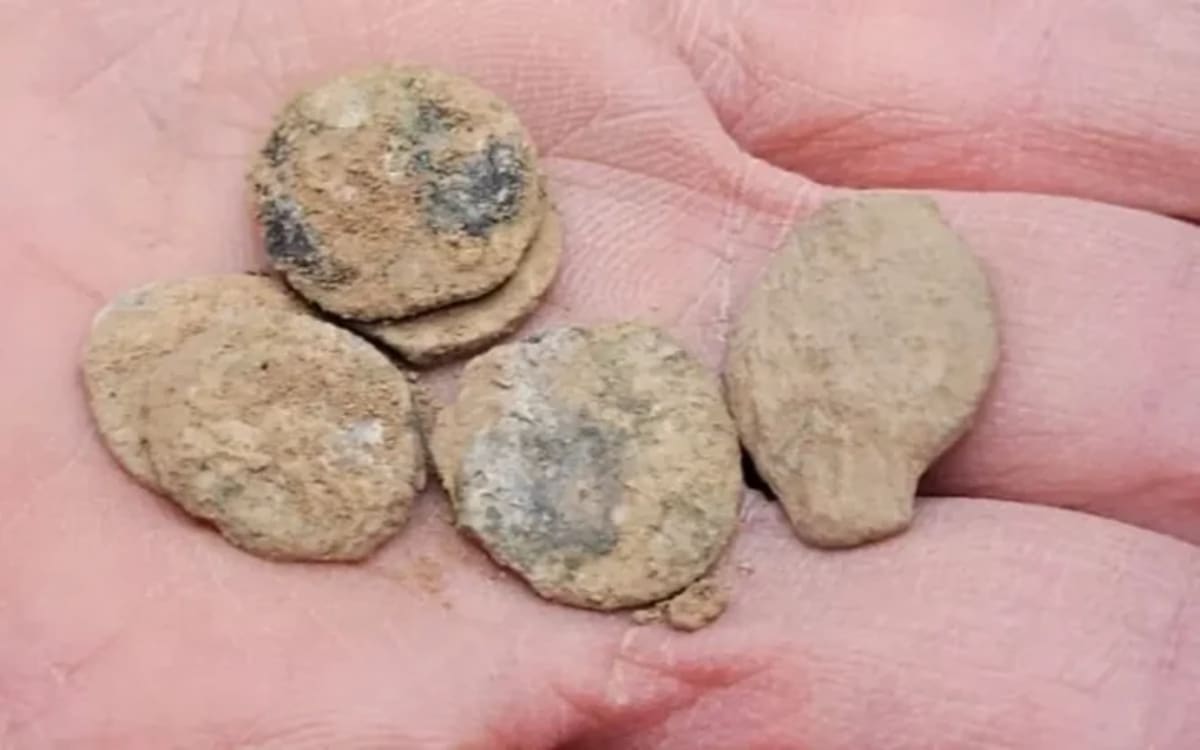
The site spans 350 hectares, making it the largest medieval settlement ever found in the North Caucasus. Vladimir Malashev, who leads the excavation team from the Russian Academy of Sciences, says the combination of ancient coins, elaborate burial structures, and massive fortifications all point to one conclusion: this was no ordinary town.
Historical records from Arab chroniclers in the 9th through 11th centuries described Magas as the capital of Alania, a powerful kingdom that controlled key trade routes between Europe and Asia. The writers placed it roughly three days' journey from another ancient kingdom, and the newly discovered site matches that location perfectly.
What makes this find even more remarkable is its age. The excavation revealed cultural layers stretching from the Copper Age through the late medieval period, meaning people lived here continuously for thousands of years.
The Alans themselves were skilled horsemen and traders whose influence stretched across Eurasia. Their capital city served as a crucial hub connecting different cultures and economies, and finding it could help historians understand how medieval societies developed and interacted across vast distances.
Why This Inspires
This discovery reminds us that the past still has secrets to share. For decades, scholars debated where Magas actually stood, proposing different sites but never finding convincing proof. Now, thanks to modern archaeological methods and a bit of construction-related luck, we're closer than ever to solving a thousand-year-old mystery.
The find also gives the Caucasus region a chance to reclaim an important piece of its heritage. Modern Magas, the capital of neighboring Ingushetia, was named after the legendary city in the 1990s as a symbol of reconnection with ancient roots. If confirmed, the historical Magas would represent something far grander than anyone imagined.
Researchers plan to continue excavations using advanced dating techniques to confirm their theory. Each layer they uncover adds another page to a story that's been missing from our history books for centuries, filling gaps in our understanding of how medieval civilizations rose, thrived, and connected across continents.
The lost city of Magas might finally be found.
More Images
Based on reporting by Google: archaeological discovery
This story was written by BrightWire based on verified news reports.
Spread the positivity!
Share this good news with someone who needs it