Lost Roman City Found After 2,000 Years on Mallorca
Archaeologists in Mallorca believe they've discovered Tucis, a Roman city lost for two millennia. The breakthrough could finally solve a mystery that has puzzled historians since ancient times.
After nearly 20 years of digging, archaeologists on the Spanish island of Mallorca may have just uncovered something extraordinary: a Roman city that vanished from history over 2,000 years ago.
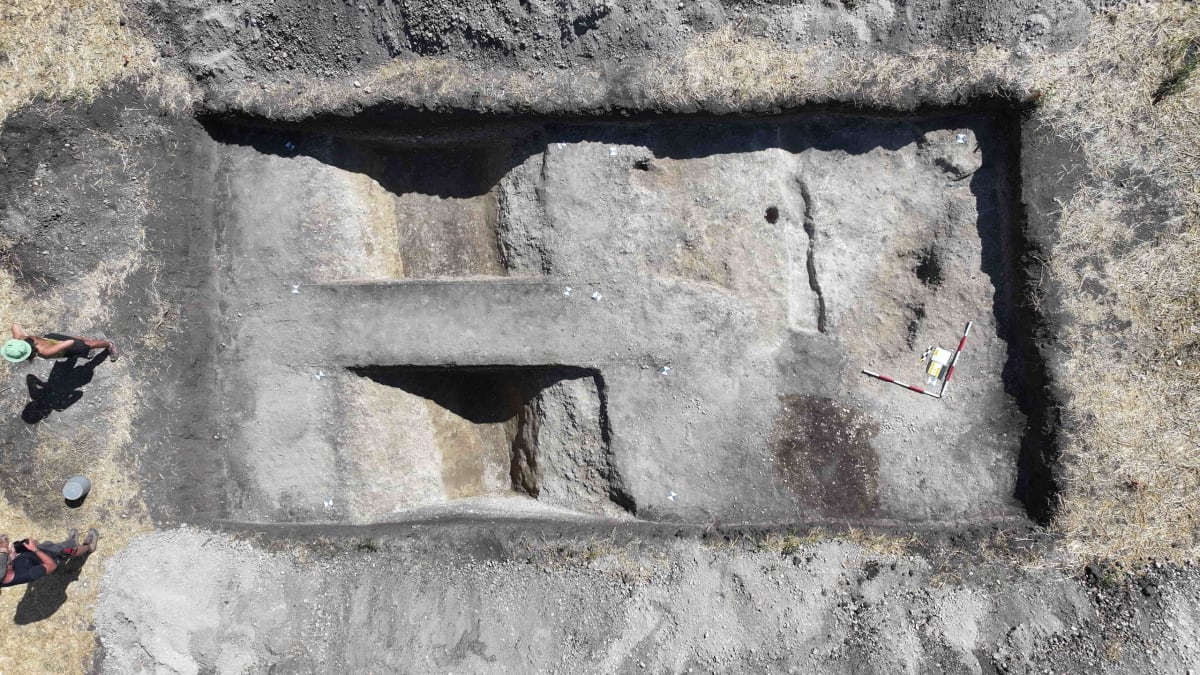
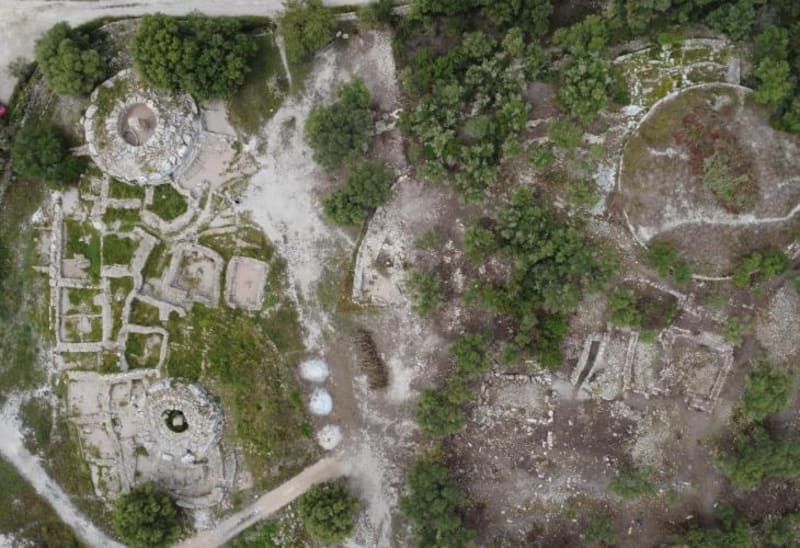
Researchers from the Autonomous University of Barcelona working at Son Fornés, near the town of Montuïri, discovered large Roman structures arranged in a carefully planned urban layout. The team believes this could be Tucis or Guium, two cities mentioned by ancient Roman author Pliny the Elder but never definitively found.
The breakthrough came during the most recent excavation season when archaeologists uncovered architectural remains spanning roughly 5,000 square meters. According to archaeologist Beatriu Palomar, the evidence is so convincing that the team would "even bet on Tucis" being located at this exact spot.
Both Tucis and Guium were believed to have been founded after Roman general Quintus Caecilius Metellus conquered the Balearic Islands in 123 BCE. These cities served as crucial administrative hubs, collecting taxes and spreading Roman culture, law, and infrastructure across the island.
What makes Son Fornés particularly exciting is the quality of artifacts found on site. Archaeologists discovered traditional Roman roof tiles that had to be purchased and transported, indicating buildings of high status. Amphorae and fine tableware suggest significant wealth, active trade connections, and a thriving population during the Roman Imperial period.
Why This Inspires
This discovery represents more than just solving an ancient puzzle. Son Fornés has revealed nearly 2,000 years of continuous human occupation, documenting Mallorca's journey from prehistoric societies to Roman rule. The site shows how communities evolved, adapted, and thrived through dramatic cultural changes.
The excavation has been a labor of love spanning decades, with the research group Arqueología Social Mediterránea patiently uncovering history layer by layer. Their persistence demonstrates how dedication and careful scholarship can bring lost worlds back to life.
Next excavation season, researchers plan to focus on what they believe could be the city center. As archaeologist Vicente Llull puts it, "We are revealing pages of history that were never written."
If confirmed as Tucis, this discovery would reshape our understanding of how Roman civilization organized and governed Mallorca. A lost city is finally stepping back into the light, reminding us that history still has secrets waiting to be told.
Based on reporting by Google: archaeological discovery
This story was written by BrightWire based on verified news reports.
Spread the positivity!
Share this good news with someone who needs it