Lund's New Model Speeds Life-Saving Gene Therapies
Swedish researchers have cracked the code on why promising gene therapies get stuck in labs instead of reaching patients. Their new "Navigator" system brings hospitals, universities, and innovators together from day one to fast-track treatments from breakthrough to bedside.
Groundbreaking gene therapies that could cure cancer and neurological diseases often die in development, never making it to the patients who desperately need them. Researchers in Lund, Sweden just unveiled a solution that could change everything.
The problem has plagued medical innovation for years. Scientists make incredible discoveries in the lab, but most advanced cell and gene therapies never reach hospitals because crucial obstacles pop up too late in development to fix affordably.
"As academic researchers it is totally reasonable to devote all your energy to getting through to the first clinical study," says Anna Falk, professor of neuroscience at Lund University. "But this is not enough if the objective is for the therapy to actually reach patients."
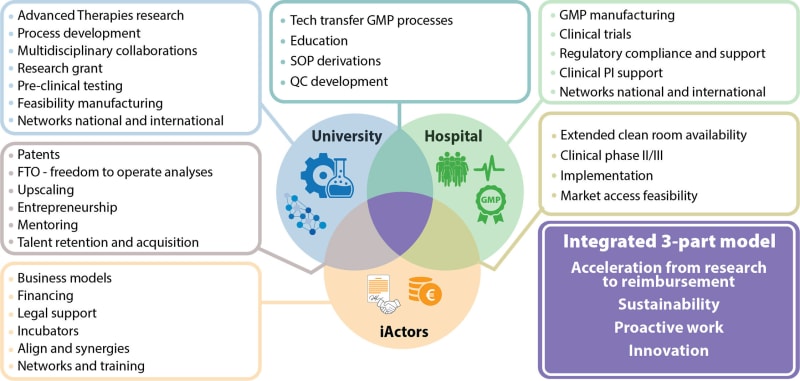
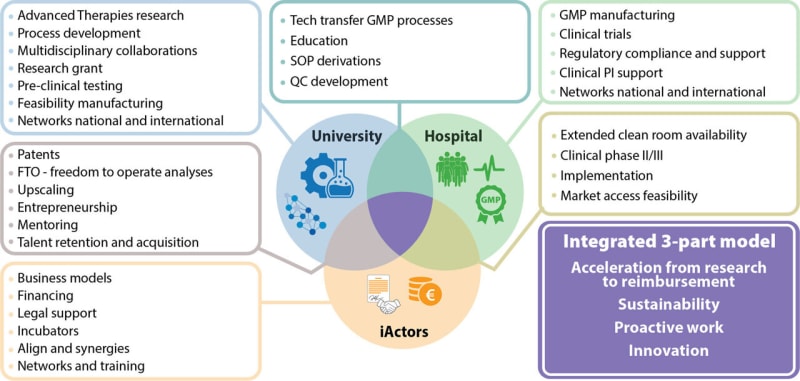
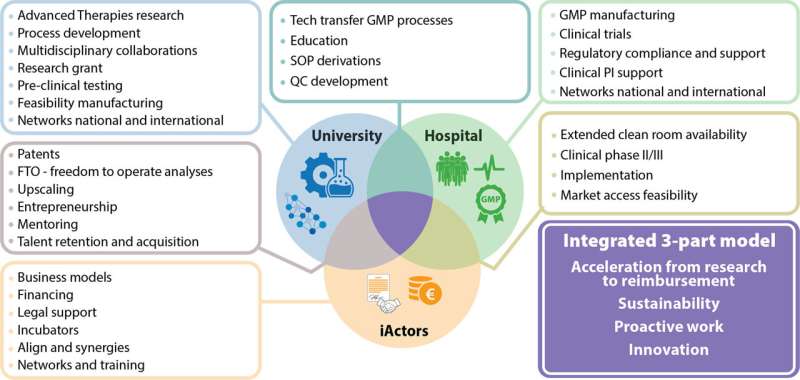
The team's answer is the Cell and Gene Therapy Navigator, a practical tool that tracks a therapy's progress across three critical areas at once: technical readiness, clinical testing, and commercial viability. Think of it as a GPS that spots roadblocks before you hit them, not after you've already crashed.
The real innovation lies in how different groups work together. Instead of universities developing a therapy, then handing it to hospitals, then hoping industry picks it up, everyone collaborates from the very beginning.
Hospitals play a particularly crucial role in this new model. Unlike traditional drugs that arrive ready-made, cell and gene therapies often require hospitals to participate in production itself. Waiting until late-stage development to involve them creates expensive, time-consuming problems.
"It's a paradigm shift in which the hospital not only receives or tests a finished product, but also all those involved need in different ways to participate throughout the development process," says Stefan Jovinge, research director at Skåne University Hospital.
The Navigator works as a shared checklist, helping teams balance scientific progress with practical considerations like manufacturing costs, regulatory requirements, and insurance reimbursement. When one area falls behind, everyone can see it and adjust before it derails the entire project.
The Ripple Effect
The Lund model addresses a massive global challenge. Thousands of hours and millions in research funding get lost each year when promising therapies can't bridge the gap between laboratory and clinic.
By catching problems early, the Navigator saves both time and money. More importantly, it means patients waiting for potentially curative treatments won't have to wait as long or watch hope fade as therapies stall out.
The researchers published their findings in Molecular Therapy Methods & Clinical Development, positioning the model as a template for other regions worldwide. Each location would adapt the framework to their own healthcare systems and innovation ecosystems.
"Our hope is that fewer promising therapies will get stuck or fall by the wayside," the team writes, "and that more patients actually get access to treatments that today remain in the lab."
More Images

Based on reporting by Medical Xpress
This story was written by BrightWire based on verified news reports.
Spread the positivity!
Share this good news with someone who needs it

