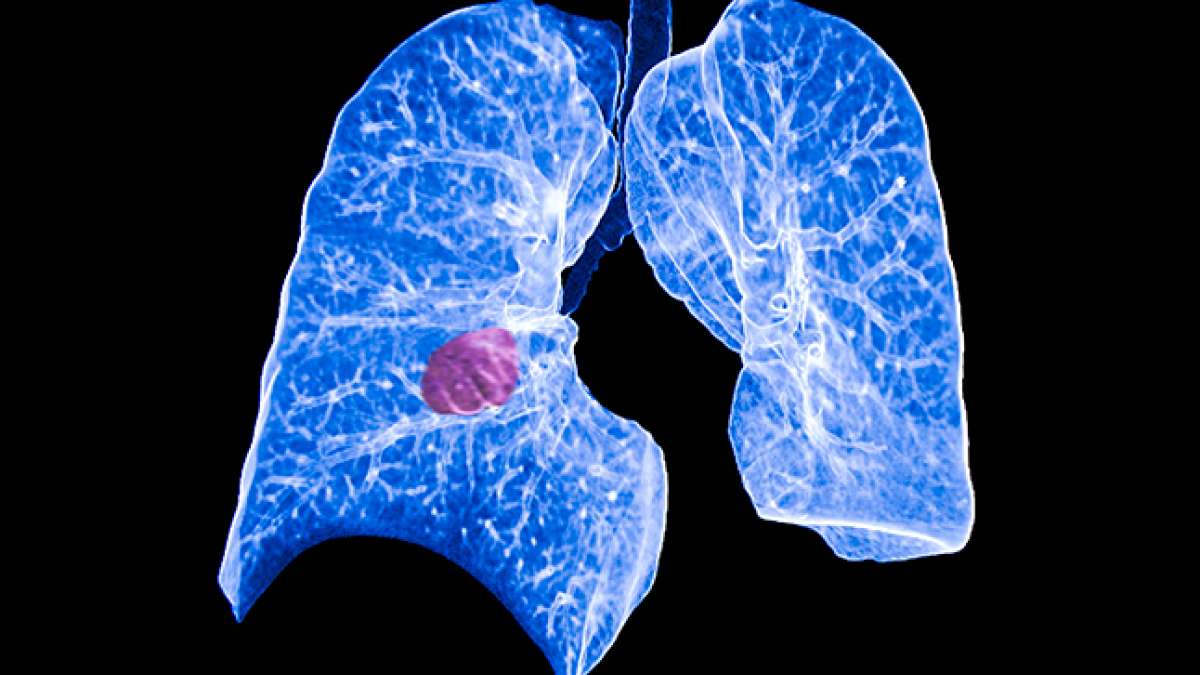
Lung Cancer Drug Cuts Recurrence Risk by 83%
A targeted therapy called selpercatinib dramatically reduces the chance of early-stage lung cancer returning in patients with a rare genetic subtype. After two years, 92% of patients who received the drug remained cancer-free compared to just 61% who got a placebo.
For patients with a rare form of early-stage lung cancer, a targeted drug is offering something many feared they'd lost: a real chance to stay cancer-free.
A new international study shows that selpercatinib reduced the risk of lung cancer returning or death by 83% in patients with RET fusion-positive non-small cell lung cancer. This rare genetic subtype affects only 1% to 2% of lung cancer patients, but those who have it often face recurrence even after successful surgery and treatment.
The phase 3 clinical trial, called LIBRETTO-432, enrolled 151 patients with stage IB-IIIA RET-positive lung cancer who had already completed standard treatments. Researchers randomly assigned half to receive selpercatinib and half to receive a placebo for up to three years.
The results were striking. Among patients with stage II-IIIA disease, 92% who took selpercatinib were alive without cancer returning after two years, compared to 61% who received the placebo. Across all participants, including those with earlier stage IB disease, 94% of selpercatinib patients remained cancer-free at two years versus 70% on placebo.
Dr. Jonathan Goldman from UCLA Health Jonsson Comprehensive Cancer Center co-led the study and presented findings at the American Society of Clinical Oncology Annual Meeting. "Even when patients with early-stage RET-positive lung cancer undergo surgery and other standard treatments with curative intent, many still face the possibility that their cancer will return," he explained.
Selpercatinib works by specifically blocking RET-driven cancer growth. The drug was already approved for advanced or metastatic RET-altered cancers, but this is the first randomized study showing it can help patients with earlier-stage disease after surgery.
The safety profile matched earlier studies. The most common serious side effects involved elevated liver enzymes, which doctors managed with dose adjustments or temporary treatment breaks.
Why This Inspires
This breakthrough highlights how precision medicine is transforming cancer care. By identifying the exact genetic mutation driving someone's cancer, doctors can now match patients with therapies designed specifically for their disease.
The study underscores the importance of comprehensive biomarker testing right after diagnosis. For patients with RET-positive lung cancer, knowing their genetic subtype opens the door to targeted treatments that work far better than traditional approaches alone.
Researchers are continuing to follow patients to understand the long-term benefits, including whether the treatment improves overall survival. They'll also learn more about how different patient groups respond to therapy.
For people facing this rare cancer subtype, selpercatinib represents a new layer of protection after surgery and a meaningful step toward preventing the disease from returning altogether.
Based on reporting by Google News - New Treatment
This story was written by BrightWire based on verified news reports.
Spread the positivity!
Share this good news with someone who needs it