Lung Cells Remember Microbes, Block Allergies for Months
Scientists discovered that exposing lungs to harmless microbe fragments creates a lasting memory that prevents allergies for months. The protection comes from structural lung cells, not immune cells, opening new paths for allergy prevention.
Your lungs might have a better memory than you think, and scientists just figured out how to use it to stop allergies before they start.
Researchers at Institut Pasteur in Paris made a surprising discovery while studying why some people develop allergies while others don't. When they exposed mouse lungs to tiny fragments of viruses or bacteria, the lungs gained lasting protection against allergic reactions for over three months.
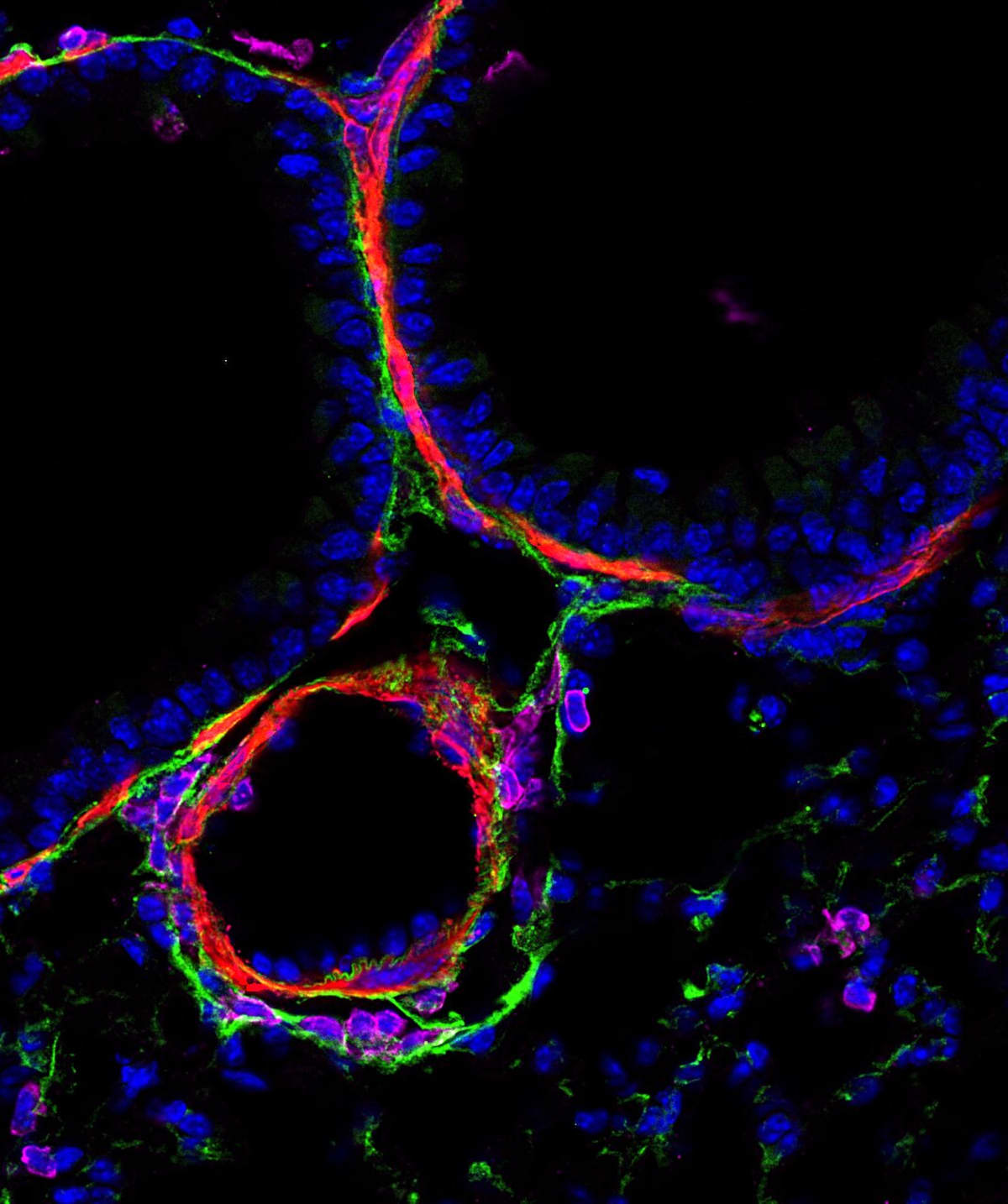
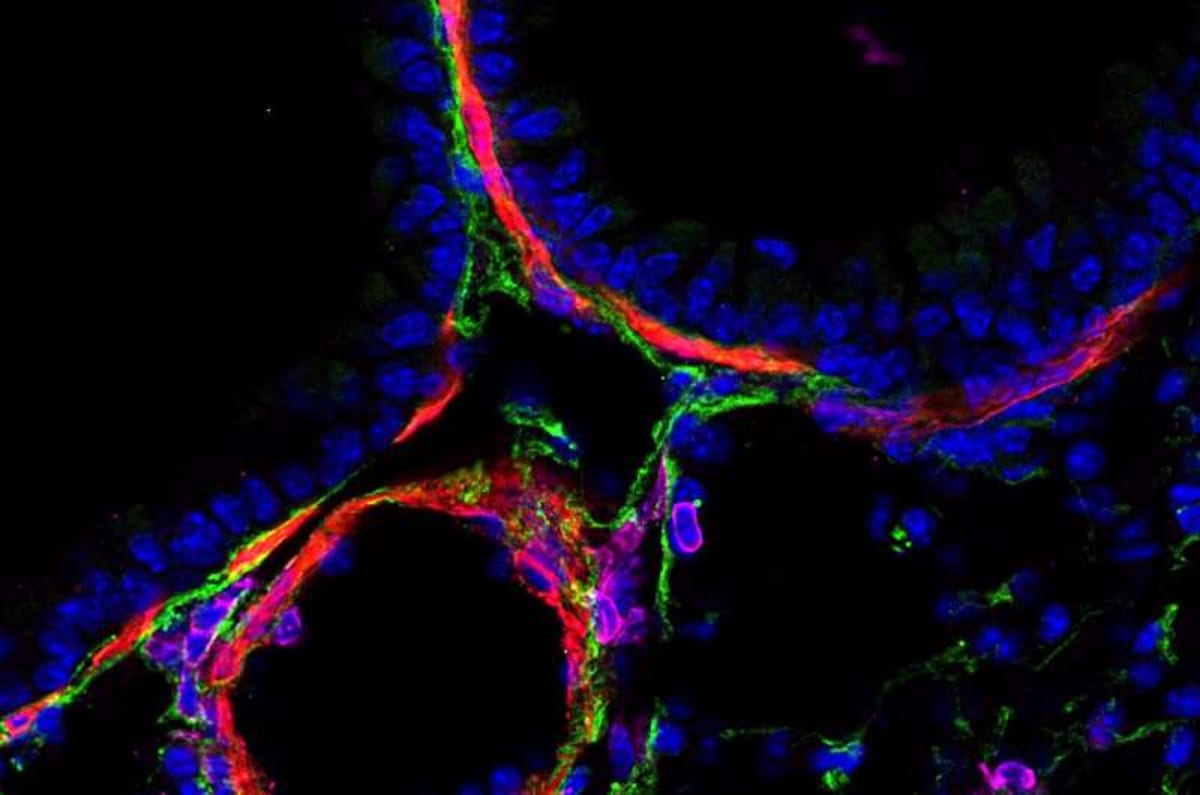
The real shock came when they found where this protective memory lives. Instead of immune cells like B and T cells, which scientists have long believed handle memory, ordinary structural cells called fibroblasts were doing the heavy lifting.
"The originality of our findings lies in the nature of this immune memory," explains Lucie Peduto, who led the research team. These fibroblasts normally just form lung structure and help with tissue repair. But exposure to microbes changes a specific gene in these cells, blocking the production of a molecule that triggers allergic reactions.
The protection works remarkably well. Mice exposed to microbe fragments before encountering allergens showed complete protection for at least six weeks. Even mice pre-exposed months earlier stayed protected. Without this early training, the lungs became hypersensitive, and allergic reactions got dramatically worse with repeated exposure.
The change happens through what scientists call epigenetic modification. Think of it as the cells learning a new trick and remembering it long after the original microbes are gone. The Ccl11 gene, which normally recruits eosinophils (the immune cells that drive allergic reactions), gets switched off for months.
Why This Inspires
This discovery gives real hope to the millions of people struggling with respiratory allergies and asthma. The findings justify using preventive treatments early, particularly agents like OM-85 that stimulate the same protective response and are already used in clinics.
Instead of just treating allergy symptoms after they appear, doctors could potentially prevent allergies from developing in the first place. Researchers are now exploring how long this protection might last in children and whether they can restore protective memory in people who already have allergies.
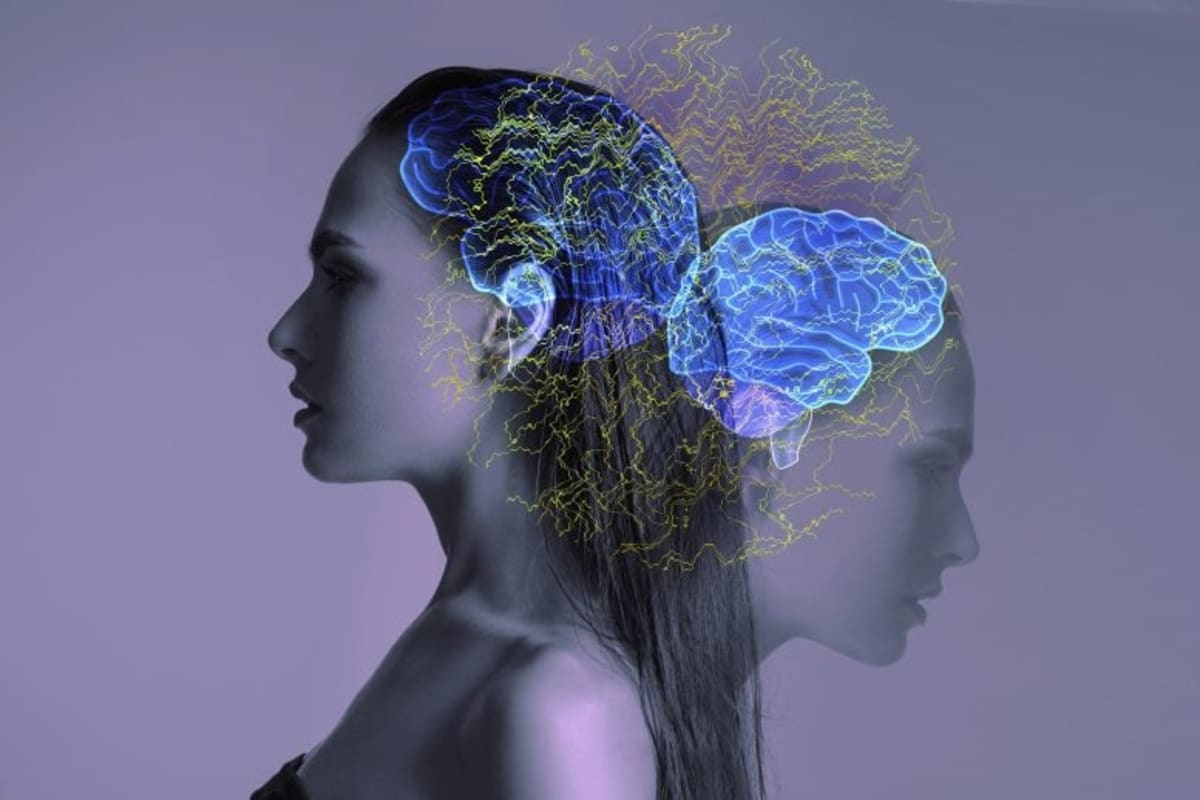
The study, published in Nature Immunology, transforms our understanding of how the body remembers threats. It turns out your lungs can learn from experience just like your brain, storing memories in unexpected places that last far longer than anyone imagined.
More Images
Based on reporting by Medical Xpress
This story was written by BrightWire based on verified news reports.
Spread the positivity!
Share this good news with someone who needs it