Lynx Scent Reduces Deer Damage to Young Trees by 40%
Scientists discovered that the smell of lynx alone makes deer less likely to damage tree saplings, offering forests a natural recovery tool. This simple finding could help restore woodlands without expensive human intervention.
What if the secret to saving struggling forests was already written into nature's playbook? New research from Germany shows that just the scent of predators like lynx can protect young trees from hungry deer.
Scientists from the University of Freiburg tested this in 11 forest locations where lynx and wolves have returned. They planted 30 saplings in each plot and marked some with lynx urine and scat, others with wolf scent, and some with nothing at all.
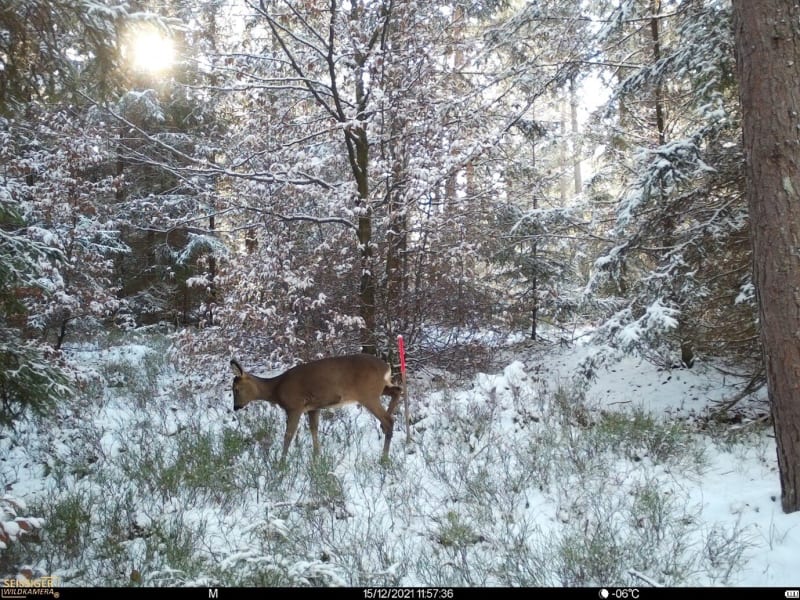
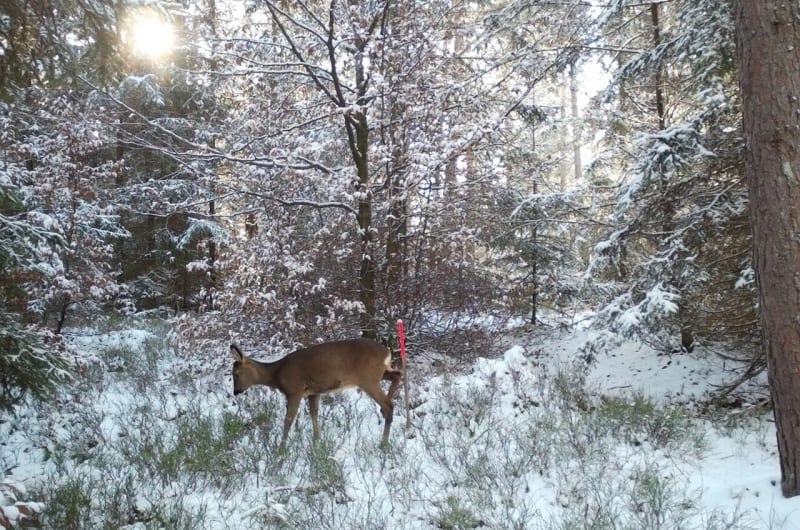
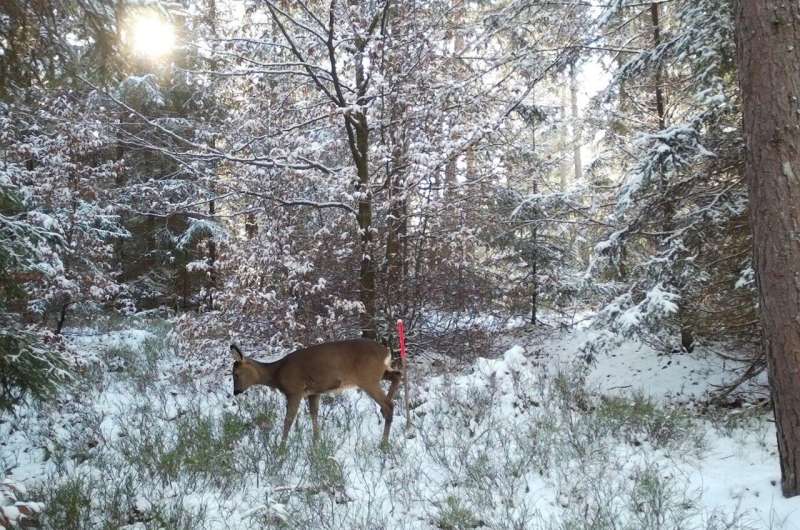
The results were striking. Plots marked with lynx scent had significantly less browsing damage than control plots. Camera traps revealed why: deer visited these areas less often and spent less time eating when they did show up.
The lynx scent proved more effective than wolf scent. Researchers believe this is because lynx are ambush hunters that stalk prey from close range, making their nearby presence feel more threatening to deer.
This matters because deer overbrowsing is crushing forest recovery across Europe and beyond. When deer populations grow too large without natural predators, they eat young trees faster than forests can regenerate. The damage hurts biodiversity and costs the forestry industry millions.
Current solutions require constant human effort and money. Fencing, culling, and chemical deterrents all demand ongoing resources that many forest managers struggle to afford.
The Bright Side
Lead researcher Walter Di Nicola says this work shows large predators offer benefits that go beyond what we typically measure. At a time when debates about carnivore conservation often focus on conflicts with livestock or human safety, this research reveals how predators naturally solve ecological problems.
The effects might even work in places like the UK, where lynx and wolves disappeared generations ago. Deer still carry some innate fear of these predators in their genes. If predators returned, those instincts would likely strengthen over time, bringing even greater benefits.
The researchers caution that their experiment used concentrated scents that were easier for deer to detect than natural conditions. Real predator presence involves more scattered, unpredictable cues. But the core message remains: predators shape landscapes not just by hunting, but by their mere presence.
This opens doors for conservation strategies that work with nature instead of against it. Promoting large carnivore populations could provide a low-cost, low-intervention solution to overbrowsing while restoring the natural balance that forests evolved with.
The findings remind us that ecosystems work best when all their pieces are in place, predators included.
More Images

Based on reporting by Phys.org
This story was written by BrightWire based on verified news reports.
Spread the positivity!
Share this good news with someone who needs it