Maasai Women Turn Drought Into Income Growing Animal Feed
After drought killed most of her livestock, a Maasai mother in Tanzania started growing drought-resistant grass to sell as animal feed. Now 250 women across northern Tanzania are turning climate survival into steady income.
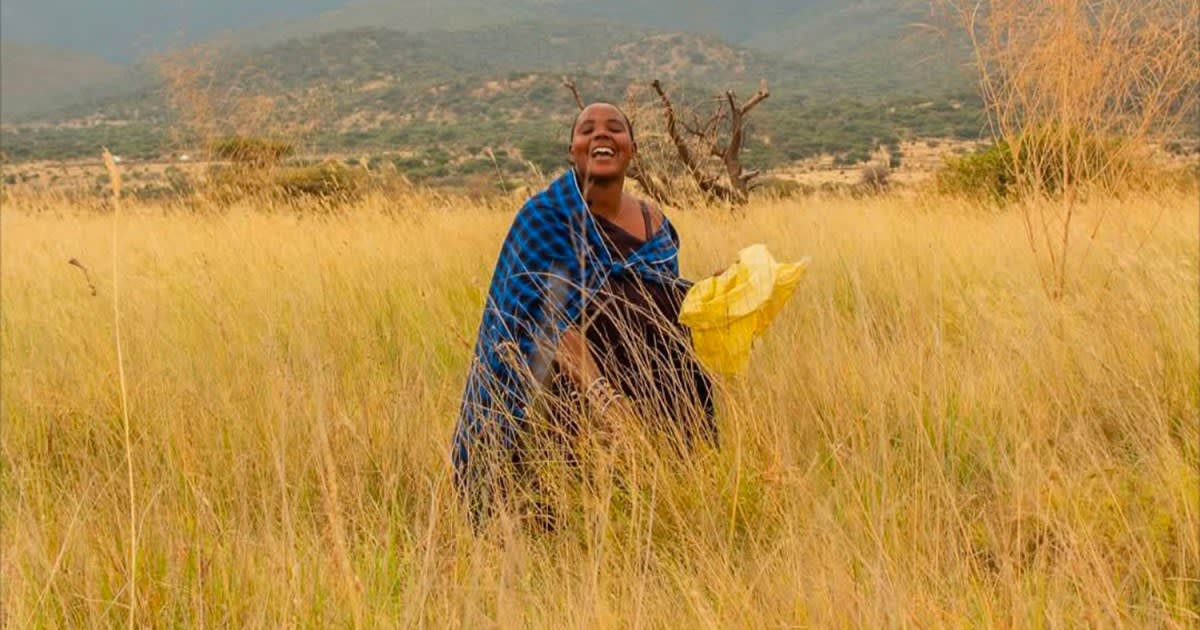
When drought killed most of her family's goats, 30-year-old Nesirkar Loongidong'i faced a frightening question: how would she feed her four children? The Maasai mother from northern Tanzania found her answer in the very thing that had failed her animals: the land itself.
Today, Loongidong'i grows and sells drought-resistant grass as livestock feed. With the income, she built a house with a metal roof and bought five new goats. "I don't fear drought anymore," she says.
Her transformation is part of a growing movement across Tanzania's pastoral region. The Pastoral Women's Council, a group serving 456,000 people across three districts, is helping Maasai women turn fodder farming into real business.
The need became urgent between 2021 and 2022, when prolonged drought killed over 306,000 animals across Tanzania. In Simanjiro district alone, families lost 92,000 livestock, wiping out their main source of income and food.
The Council responded by establishing 10 grass seed banks across eight villages. About 250 women now manage 75 hectares of fodder farms, growing hardy species like Rhodes grass and Masai love grass that stay green longer during dry periods.
The grasses grow without irrigation, and demand stays steady year-round. Women harvest the grass, bundle it into bales, and sell it to herders whose animals would otherwise starve during dry seasons. They also save and sell seeds when demand peaks.
The numbers tell the story. In 2025, a single seed bank earned $2,500 from seed sales alone, plus over 1,000 hay bales sold at about $2.30 each. For women who previously depended entirely on male relatives, this income represents real independence.
The Ripple Effect
The impact reaches far beyond individual bank accounts. Thousands of herding families now depend on these farms to keep their livestock alive during droughts. When animals survive, whole communities stay stable.
The model is proving replicable across East Africa's pastoral regions, backed by organizations like the Global Fund for Women and Oxfam. What started as survival strategy is becoming sustainable enterprise, protecting a livestock economy worth millions.
For the Maasai, cattle represent more than wealth. They are identity, culture, and daily survival. When women can keep those animals alive through managed grasslands, they protect an entire way of life while building their own economic power.
Loongidong'i watches her small herd graze in their fenced area, their numbers slowly growing again. What began with loss has become hope, one grass seed at a time.
Based on reporting by Al Jazeera English
This story was written by BrightWire based on verified news reports.
Spread the positivity!
Share this good news with someone who needs it