Macao's First Robotic Pancreas Surgery Saves Patient's Spleen
A Beijing surgical team traveled to Macao to perform the city's first robotic pancreatic surgery, navigating over 20 delicate blood vessels to remove a rare tumor while keeping the patient's spleen intact. The patient was walking the next day.
When a Macao resident discovered they had a rare pancreatic tumor and gallstones, top surgeons from Beijing flew in to help with technology the city had never seen before.
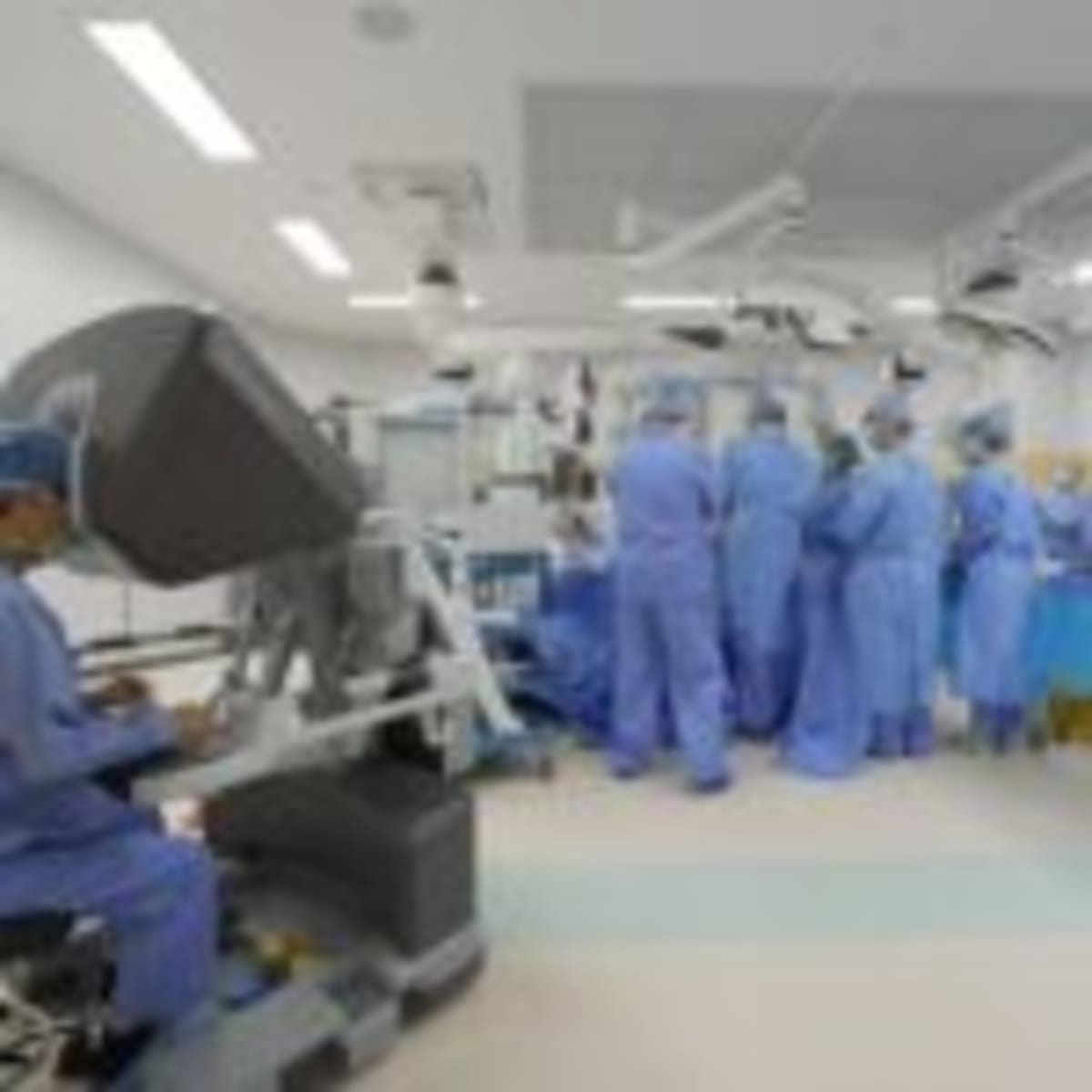
On April 1, 2026, Academician Zhao Yupei and his team from Peking Union Medical College Hospital successfully performed Macao's first surgery using the fourth-generation da Vinci robotic system. The patient had insulinoma, a rare pancreatic tumor, plus inflammatory gallstones that required careful coordination.
The case presented an unusual challenge. During surgery, the team discovered the patient's pancreas tail was embedded in the splenic hilum and surrounded by a dense network of blood vessels.
Most surgeons would have removed the spleen to play it safe. But Zhao's team decided to preserve it, meticulously separating more than 20 tiny splenic arteries and veins in an extremely tight space.
The four-hour procedure removed both the tumor and gallbladder while leaving the spleen completely intact. By the next morning, the patient was already up and walking around.
This surgery launched a new collaboration between Macao and Beijing medical teams. Macao's Health Bureau and Conde de São Januário General Hospital fast-tracked licensing to make it happen, while the operating room was configured to match Beijing standards exactly.
The Ripple Effect
This breakthrough opens doors for Macao's 680,000 residents to access cutting-edge medical care without traveling to mainland China. The collaboration brings academician-level expertise and fourth-generation robotic technology directly to the city.
The partnership between Macao Union Medical Center and Peking Union Medical College Hospital plans to introduce more advanced procedures and technologies. Patients with complex conditions who previously faced limited local options now have access to world-class surgical teams.
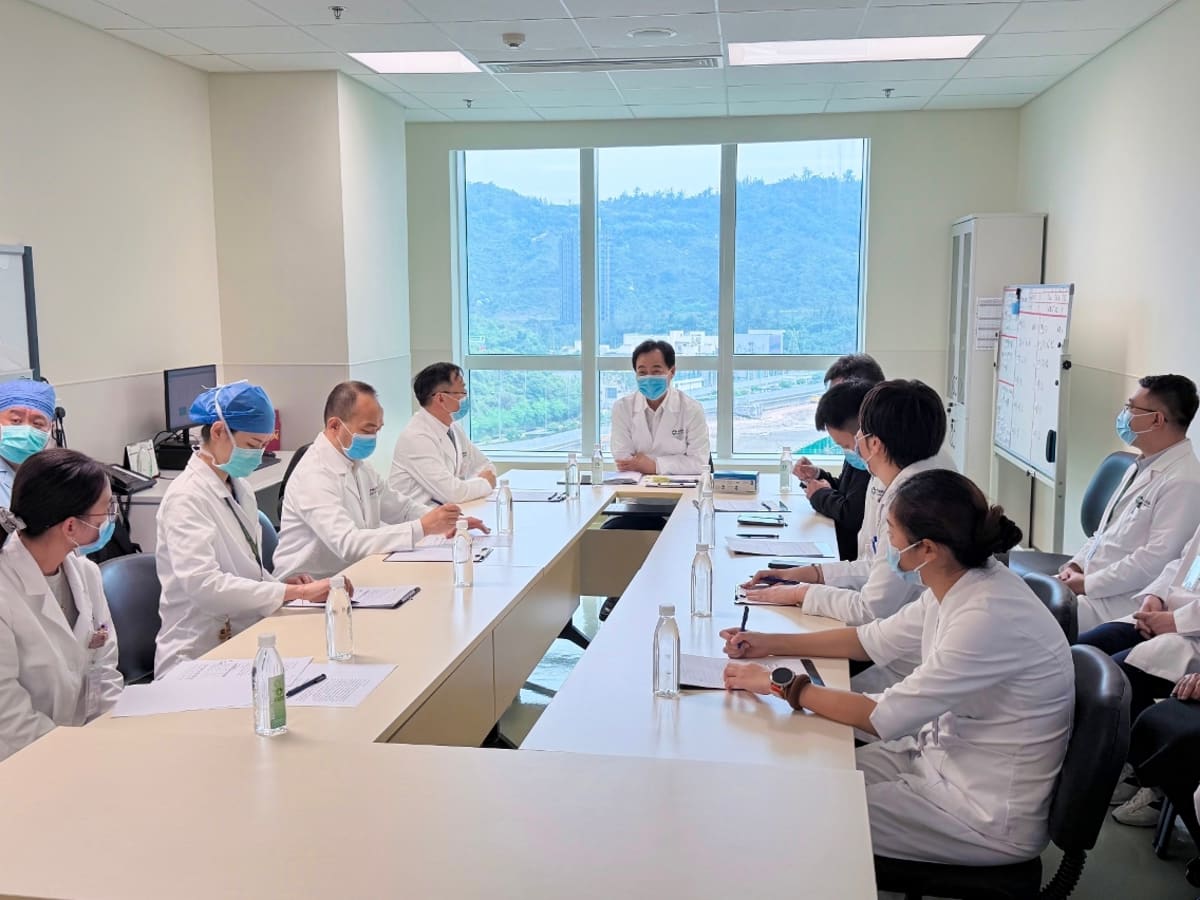
Remote consultations allowed specialists from both cities to plan the "comprehensive treatment in a single surgery" approach. This model of cross-border medical cooperation could serve as a template for bringing specialized care to smaller medical communities.
More importantly, it demonstrates how regional collaboration can elevate healthcare standards. By combining Macao's facilities with Beijing's expertise, patients receive treatment that rivals any major medical center.
The success of this first case paves the way for residents to benefit from future innovations without leaving home.
More Images

Based on reporting by Google News - Medical Breakthrough
This story was written by BrightWire based on verified news reports.
Spread the positivity!
Share this good news with someone who needs it