Madagascar Fisher Communities Boost Fish Stocks 189%
A scientist paused her PhD for 11 years to help Madagascan fishing villages create their own marine conservation zones. The locally managed system has spread to 177 communities and nearly tripled fish populations while protecting local incomes.
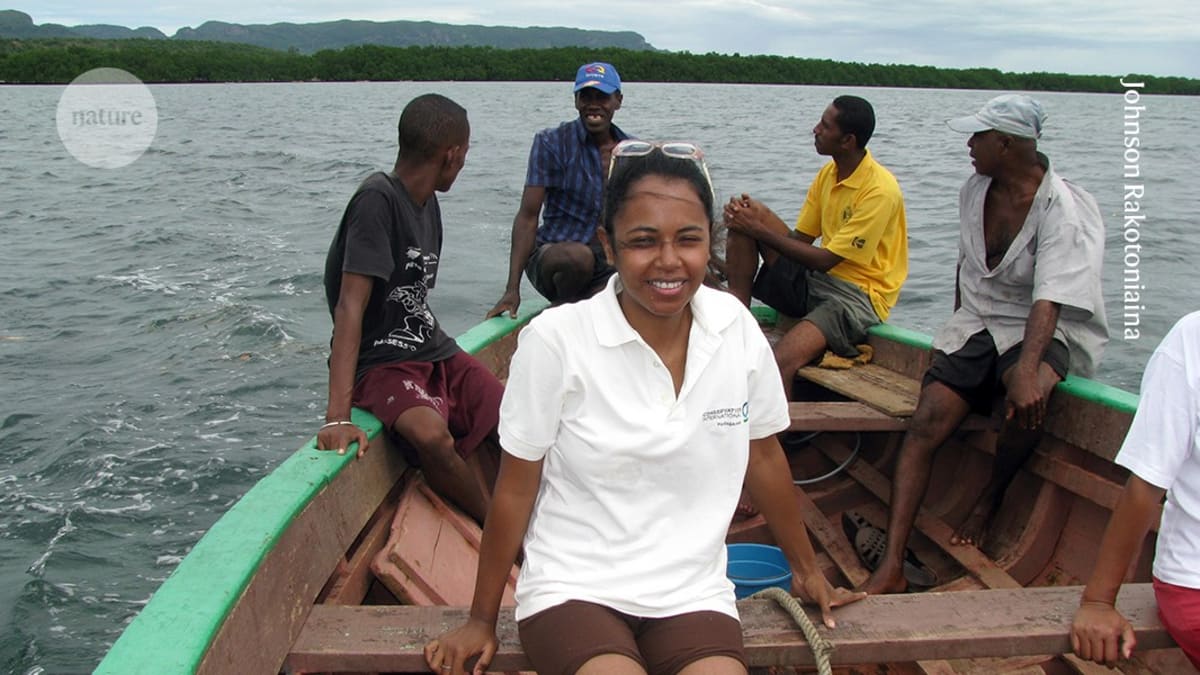
When Ando Rabearisoa left her PhD program in France at age 27, she had a bigger classroom in mind: the coastal waters of her home country, Madagascar.
Rabearisoa abandoned her doctoral studies in 2009 to return home and work directly with fishing communities. Together, they created locally managed marine areas, conservation zones run by the fishers themselves rather than distant government offices.
The concept wasn't entirely new. Fishers from Madagascar had visited Fiji years earlier to study similar systems, where communities set their own fishing rules and seasonal closures. Despite not sharing a language, the Madagascan fishers instantly understood what they called "the common language of the ocean."
Back home, they put those lessons into practice. From 2009 to 2019, Rabearisoa led the Madagascar marine program at Conservation International as the network exploded from 33 communities to 177.
The results speak for themselves. In Madagascar's first locally managed area, scientists recorded a 189% increase in fish biomass over six years. That's nearly triple the fish population, managed by the same communities who depend on those waters for their livelihoods.
The secret lies in breaking a vicious cycle. When fishers live in poverty, they overfish to survive, which depletes stocks and deepens poverty. By giving communities control over their own waters, they can set sustainable limits that protect both fish and incomes.
The Ripple Effect
Madagascar has become East Africa's model for community-led ocean conservation. In 2024, the country hosted the region's first-ever conference on locally managed marine areas, bringing together fishers and conservationists from Kenya, Mozambique, and beyond.
After more than a decade away, Rabearisoa returned to academia in a new PhD program at UC Santa Cruz. This time, she studied the very conservation network she'd helped build. Her 2025 research found that 95% of community members prefer the locally managed system because it gives them real control over fishing rules.
She worried at 24 that being a 30-year-old woman would hurt her academic career in Madagascar, where traditional gender roles still dominate. Instead, she spent those years proving that conservation works best when it includes the people who know the waters best.
Now a postdoctoral researcher at UC Berkeley, Rabearisoa continues studying what makes community-based conservation effective and how to improve it. The scientific community is finally recognizing what Madagascan fishers have known all along: people protect what they control.
More Images




Based on reporting by Nature News
This story was written by BrightWire based on verified news reports.
Spread the positivity!
Share this good news with someone who needs it