Madagascar Plants 70-Hectare Forest Corridor for Lemurs
Scientists and local communities in Madagascar are rebuilding a rainforest highway for lemurs, planting more than 100 native tree species to reconnect two wildlife havens torn apart 60 years ago. The forest is already working—lemurs have been spotted using the new corridor.
In eastern Madagascar, a team of conservationists is literally rebuilding a forest from the ground up, tree by tree, to help some of the world's rarest animals find their way home again.
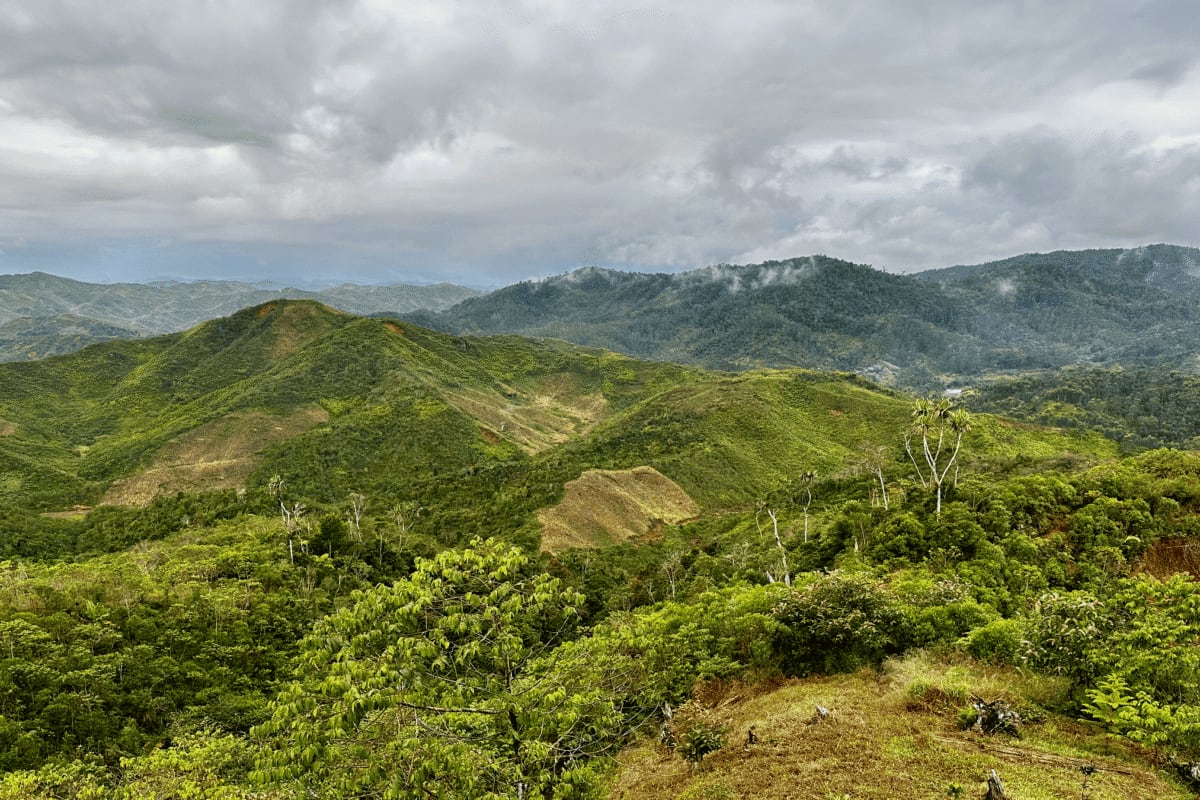
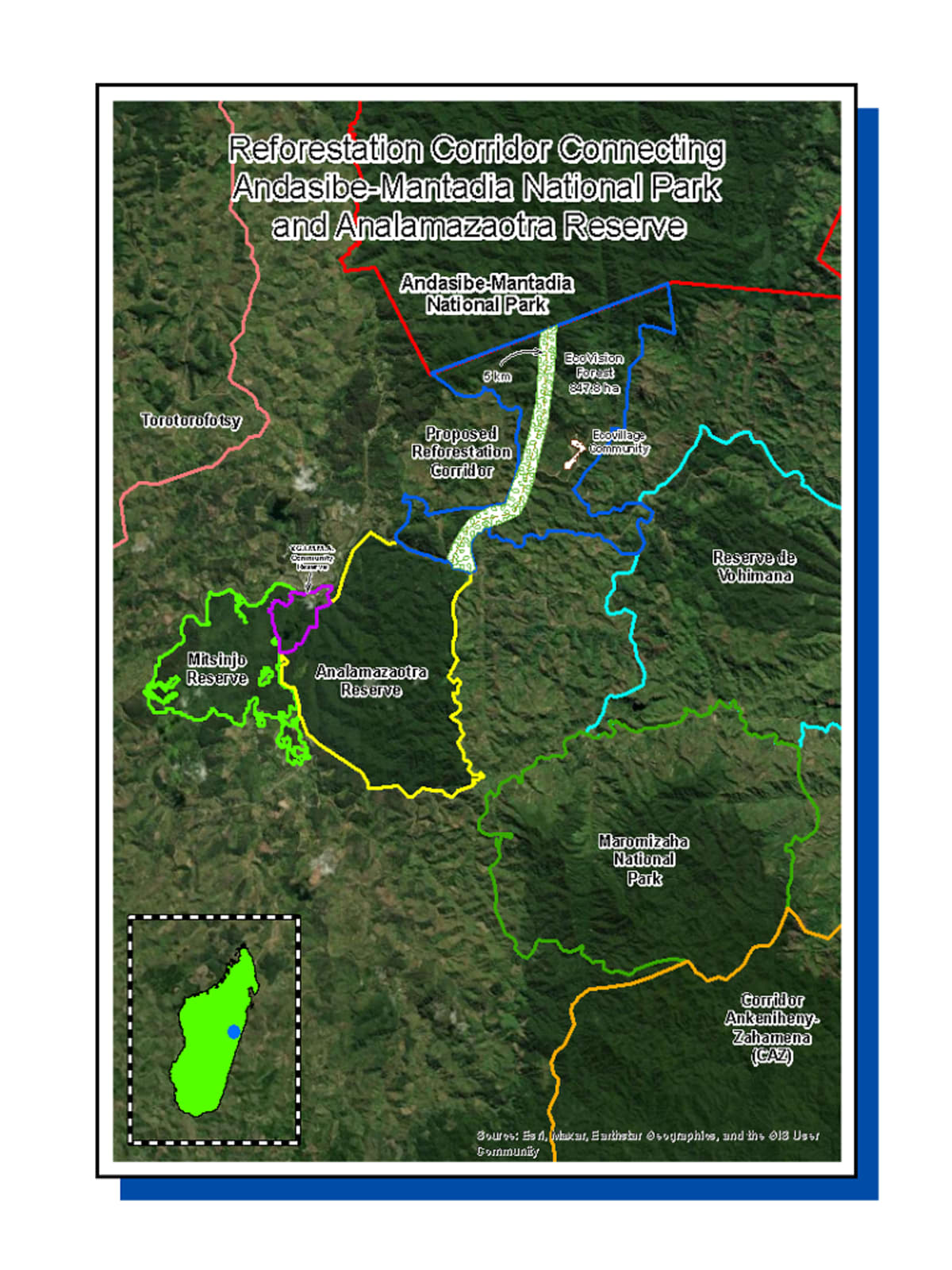
For 60 years, Andasibe-Mantadia National Park and the Analamazoatra Special Reserve have been separated by farmland and cattle pasture. What was once continuous rainforest became disconnected patches in the 1960s, leaving a dozen lemur species and countless other animals trapped in isolated fragments.
Now, those fragments are being stitched back together. A partnership led by the Mad Dog Initiative launched a reforestation corridor in 2023, aiming to restore 150 hectares of native forest across a 6-kilometer stretch. So far, they've planted 70 hectares with more than 100 native tree species.
The project started with a simple observation. Kim Valenta, co-founder of the Mad Dog Initiative and a University of Florida professor, first noticed the gap in 2017 while running wildlife vaccination programs in the region. She connected with others who shared her vision of healing the broken landscape.
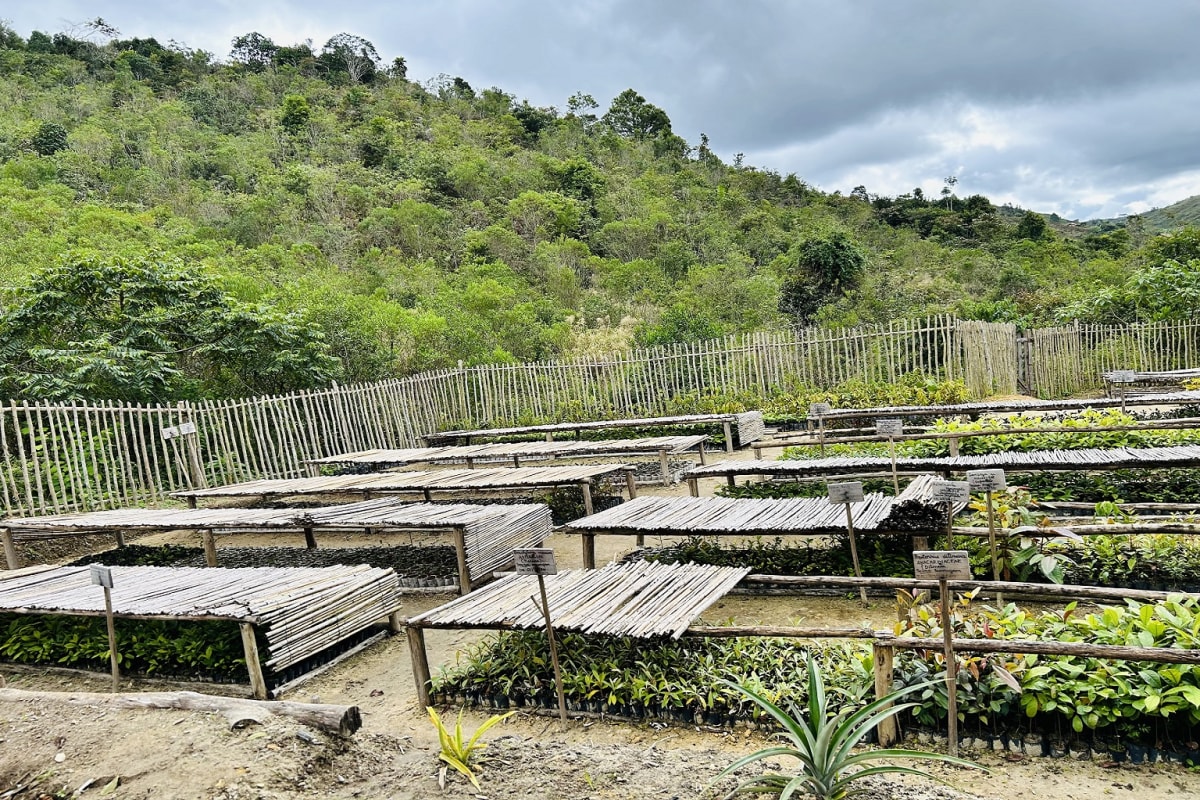
Everything about this restoration is designed to work with nature, not against it. Seeds are collected only from nearby forests, including trees that lemurs prefer for food and shelter. Half the seedlings grow in soil mixed with mycorrhiza, beneficial fungi that help plants thrive.
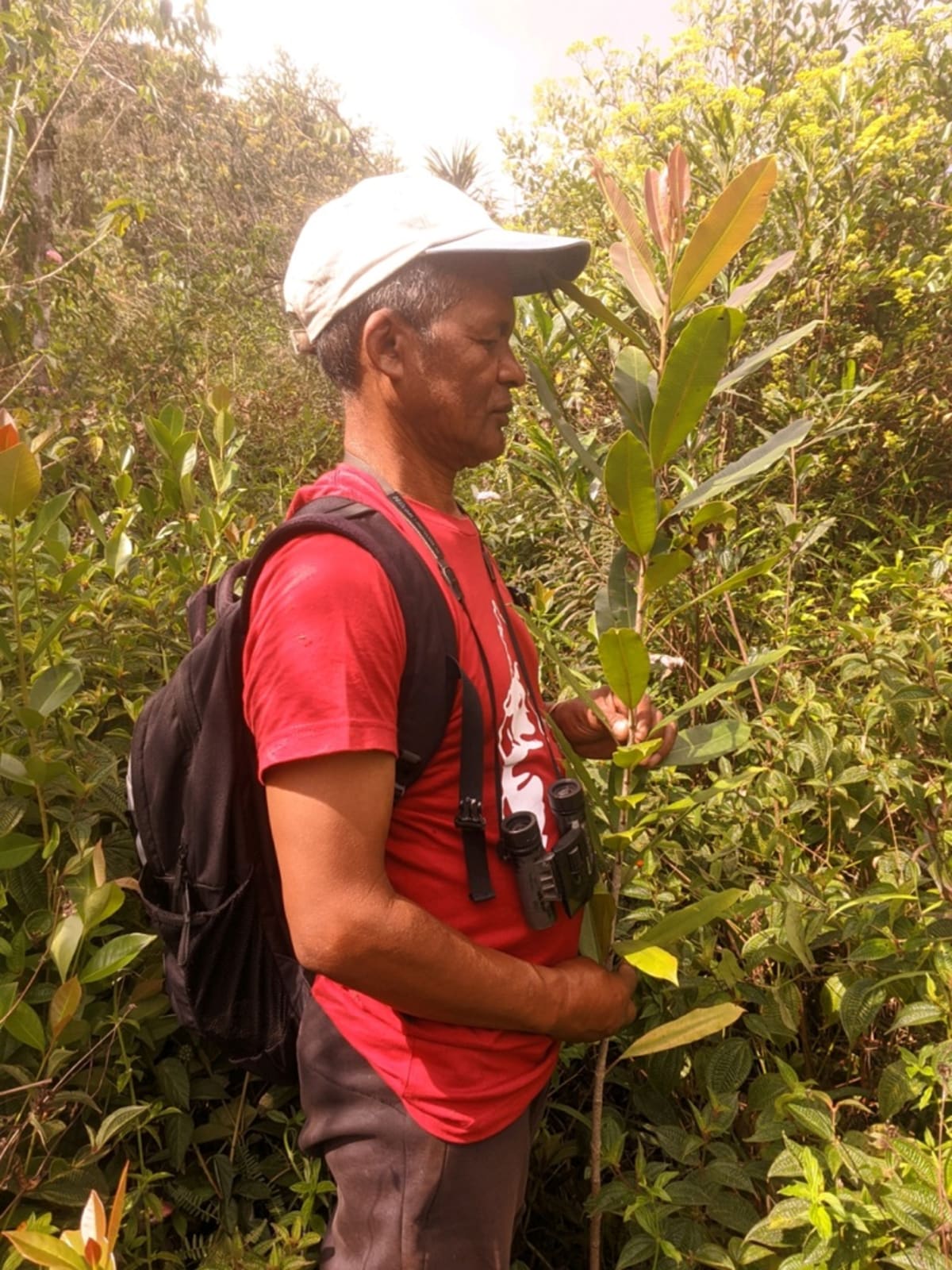
The results are exceeding expectations. Only 4% of planted seedlings have died, far lower than typical restoration projects. Some trees have already reached two meters tall within just a few years. Most encouraging of all, lemurs are already using the corridor even in its early stages.
The project employs local field technicians who monitor each hectare weekly, tracking plant growth, GPS coordinates, and survival rates. Claude Rakotoarivelo, a botanical expert, leads a team of 12 technicians who check on 1,200 to 1,500 seedlings per hectare.
Funding comes from conservation groups Seacology and Re:wild, cosmetics company Lush, and the IUCN SOS Lemurs program. The full corridor is expected to be completed by December 2027.
The Ripple Effect
This project goes beyond just planting trees. Partners are investing in local communities through ecotourism, healthcare, and education programs, ensuring people benefit alongside wildlife. When communities thrive, forests have a better chance of lasting.
Some of the planted species are so rare they're known only to local people and haven't even been described by science yet.
A forest once broken is growing whole again, one seedling at a time.
More Images
Based on reporting by Mongabay
This story was written by BrightWire based on verified news reports.
Spread the positivity!
Share this good news with someone who needs it