Madagascar Rat Study Links Forest Health to Disease Prevention
Scientists in Madagascar discovered that healthy forests host native rodents while damaged forests fill with invasive rats, revealing a crucial link between conservation and human health. The breakthrough genetic mapping shows how protecting nature might also protect us from disease.
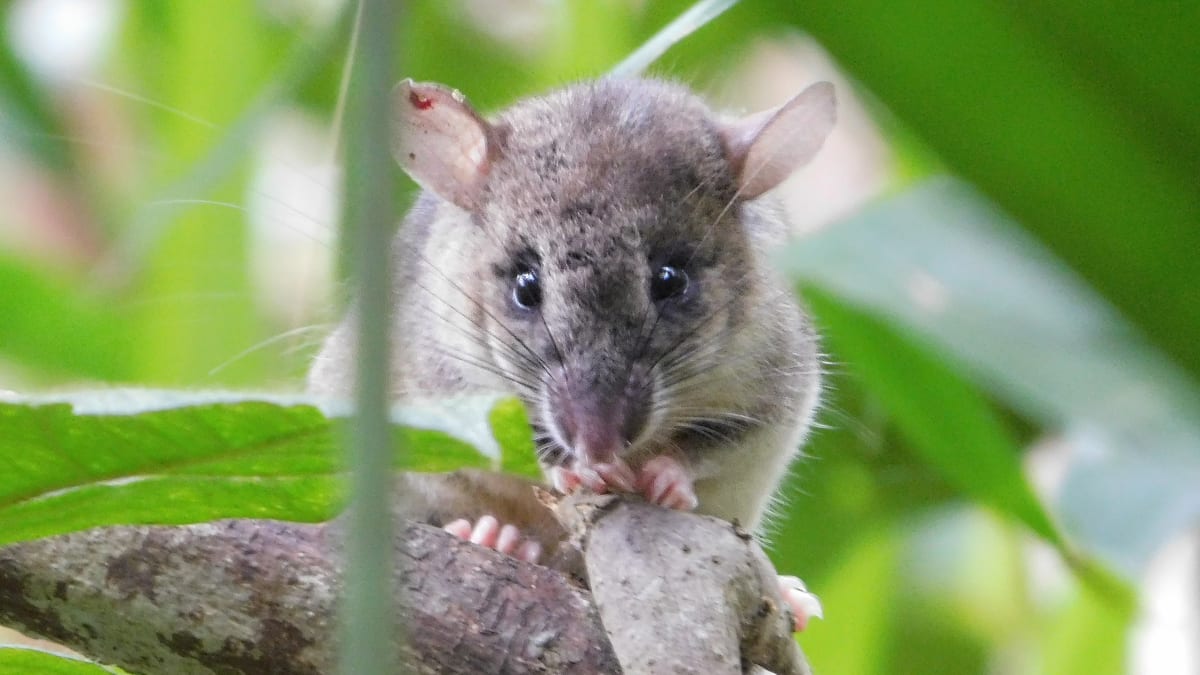
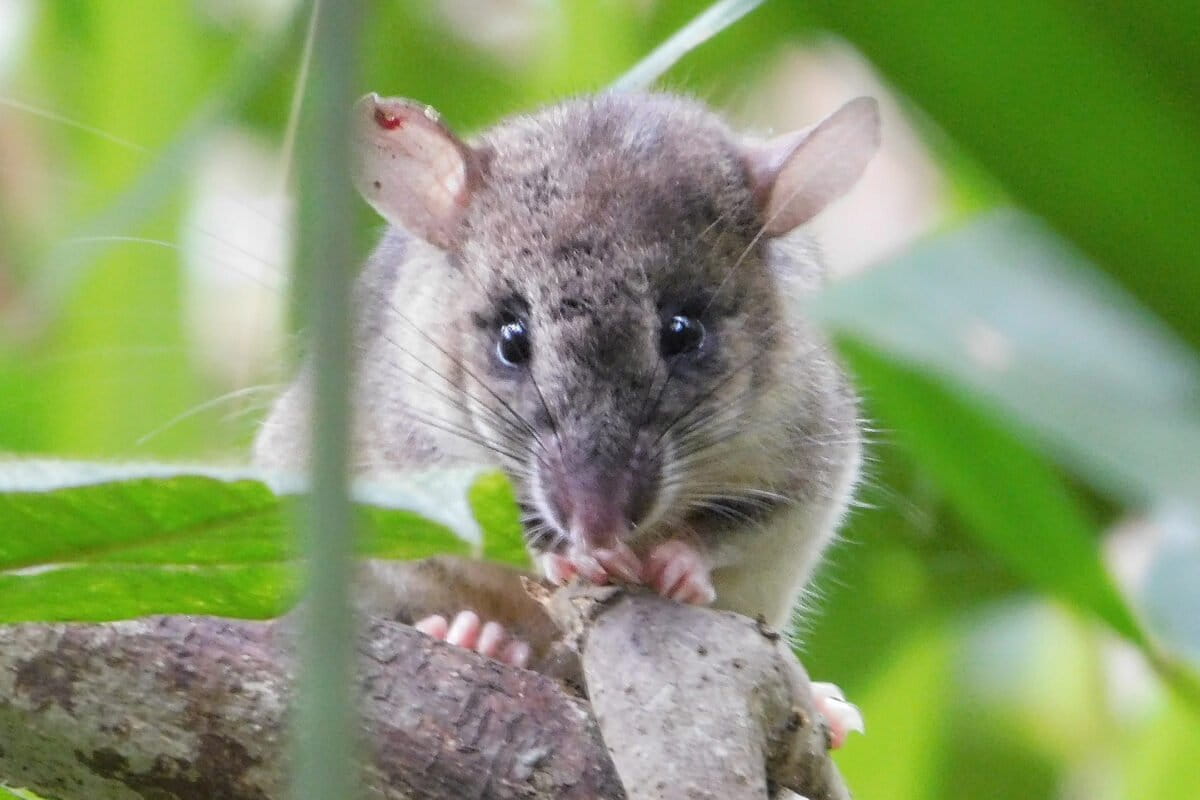
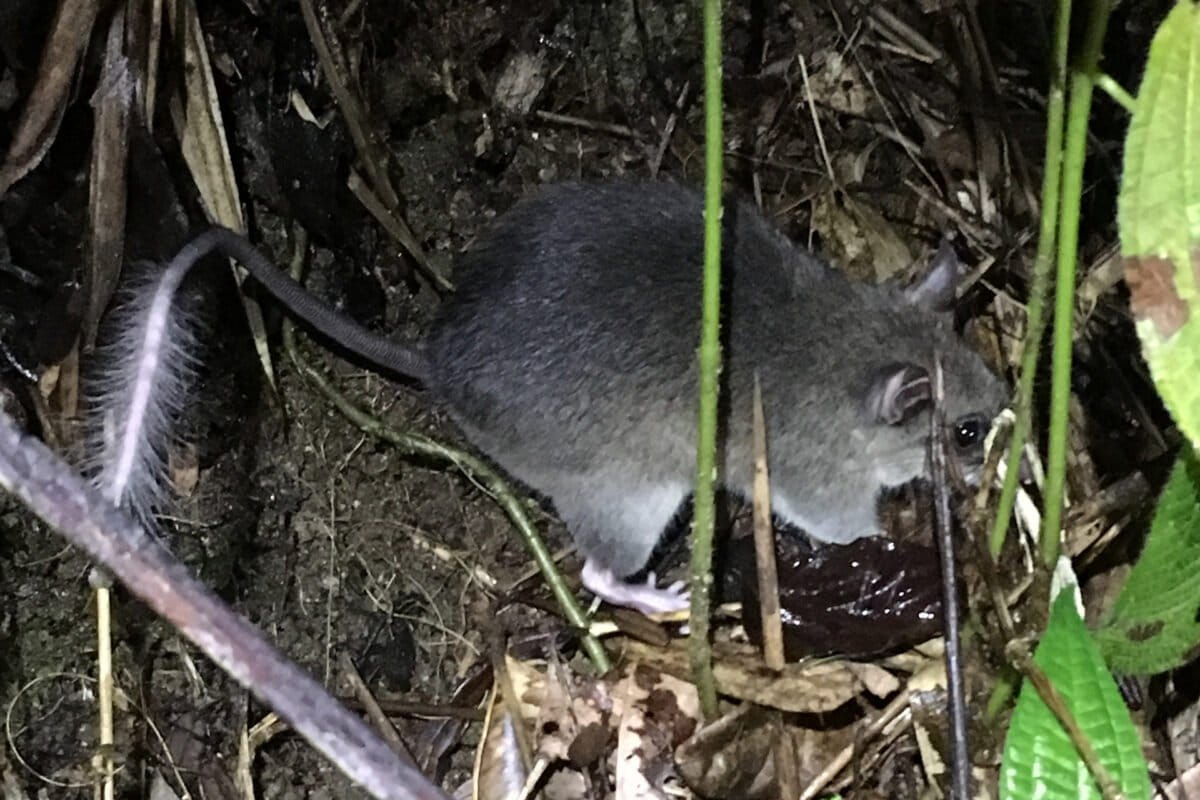
In Madagascar's Manombo Special Reserve, researchers found something important by noticing what wasn't there. Native tuft-tailed rats thrived in healthy forest, but in damaged areas nearby, their traps caught only invasive black rats.
The pattern tells a bigger story than just changing wildlife. Scientists have now created the first complete genetic maps for two native rat species, giving conservationists a powerful new tool to track which animals live where and why it matters for human health.
Until now, no one had full genetic blueprints for Madagascar's unique rodent subfamily. Researchers could only use partial genetic sequences, making it hard to tell species apart or spot population changes. The new complete genomes change that, offering a clear baseline to identify animals and monitor their numbers over time.
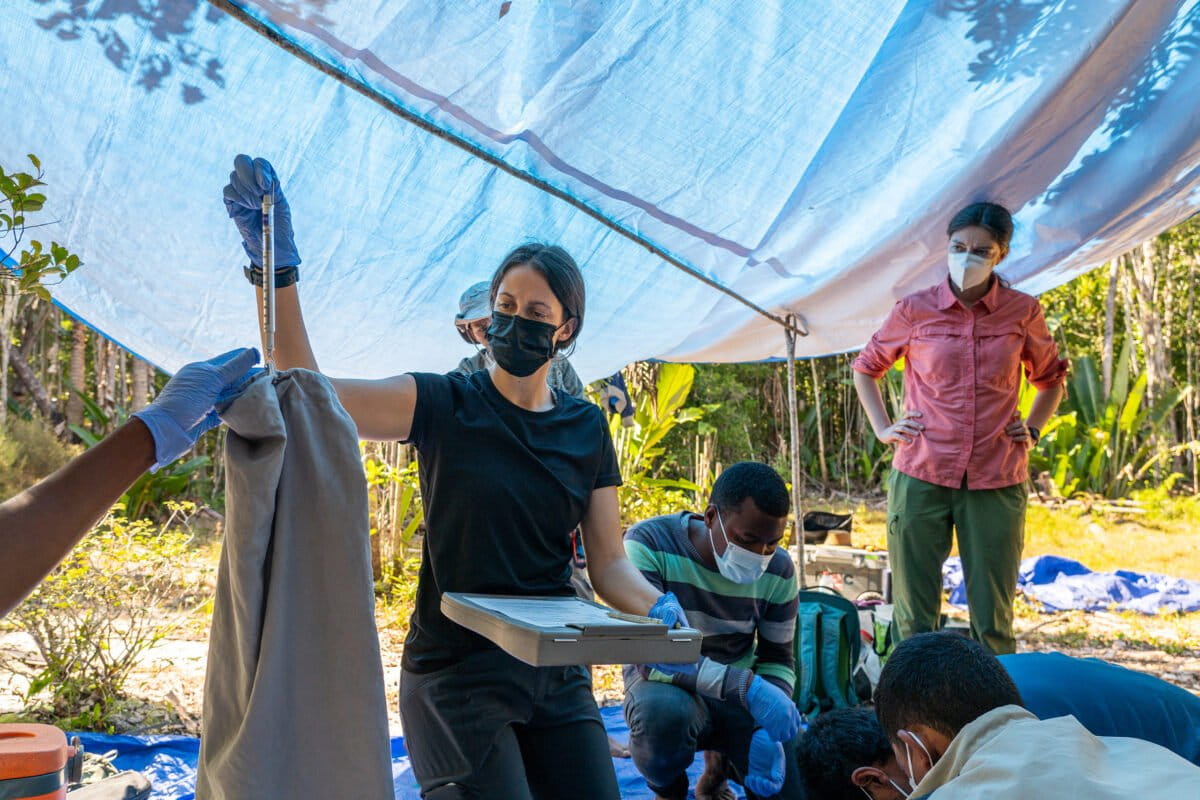
The team collected genetic samples using simple mouth swabs in the field, proving the method works without extensive trapping. This means scientists can now track rodent populations across Madagascar's forests more easily and affordably than ever before.
Here's where conservation meets medicine. Different rodent species carry different diseases, and when native animals disappear and invasive ones take over, the disease risks change too. Invasive black rats thrive near human settlements and carry pathogens that native forest species don't.
When habitat gets damaged, generalist species like black rats move in while specialist native rodents retreat or vanish. Understanding this shift helps public health officials predict where disease risks might increase as landscapes change.
The Ripple Effect
The research connects three vital threads: biodiversity, habitat quality, and human health. By mapping which rodents live in healthy versus degraded forests, scientists can now predict how ecosystem damage might alter disease transmission patterns.
Madagascar's forests face ongoing pressure from clearing and burning. As intact habitat shrinks, native species lose ground to invasive ones. The genetic tools developed in this study let researchers track these changes precisely, creating an early warning system for both wildlife loss and shifting health risks.
The work demonstrates that protecting forests protects more than trees and animals. Healthy ecosystems maintain stable disease dynamics, while degraded ones can create conditions where human-adapted pests and their pathogens flourish.
This approach gives the "One Health" concept, which recognizes the connection between environmental and human wellbeing, concrete data to work with. Instead of broad statements about nature and health, scientists can now track specific species in specific places and link those patterns to disease risk.
The study opens doors for non-invasive monitoring across Madagascar's remaining forests, helping conservation groups identify priority areas while giving health officials better information about emerging disease threats.
When we protect forests, we're also protecting ourselves.
More Images

Based on reporting by Mongabay
This story was written by BrightWire based on verified news reports.
Spread the positivity!
Share this good news with someone who needs it