Madagascar's Forest People Adapt While Saving Their Heritage
The Zafimaniry people of Madagascar are finding creative ways to preserve their UNESCO-recognized woodcraft traditions even as deforestation forces them to reimagine their forest-based way of life. Communities are blending old customs with new realities, keeping their cultural identity alive.
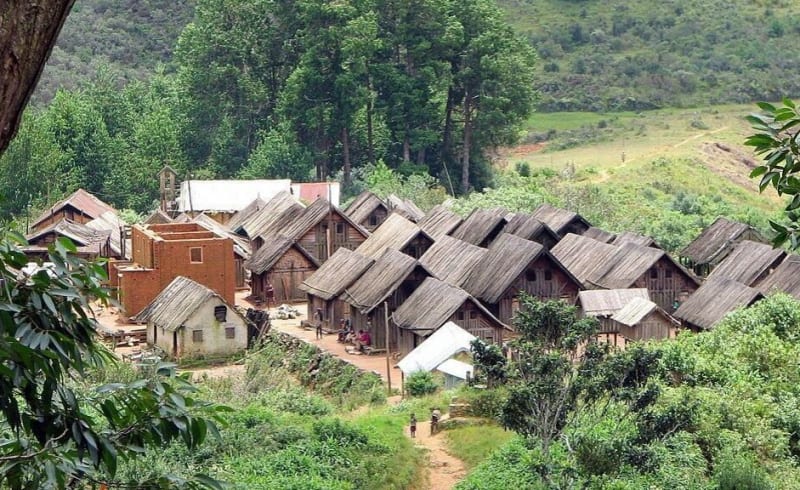
Deep in Madagascar's misty highlands, fewer than 15,000 members of the Zafimaniry community are proving that adaptation doesn't have to mean losing who you are.
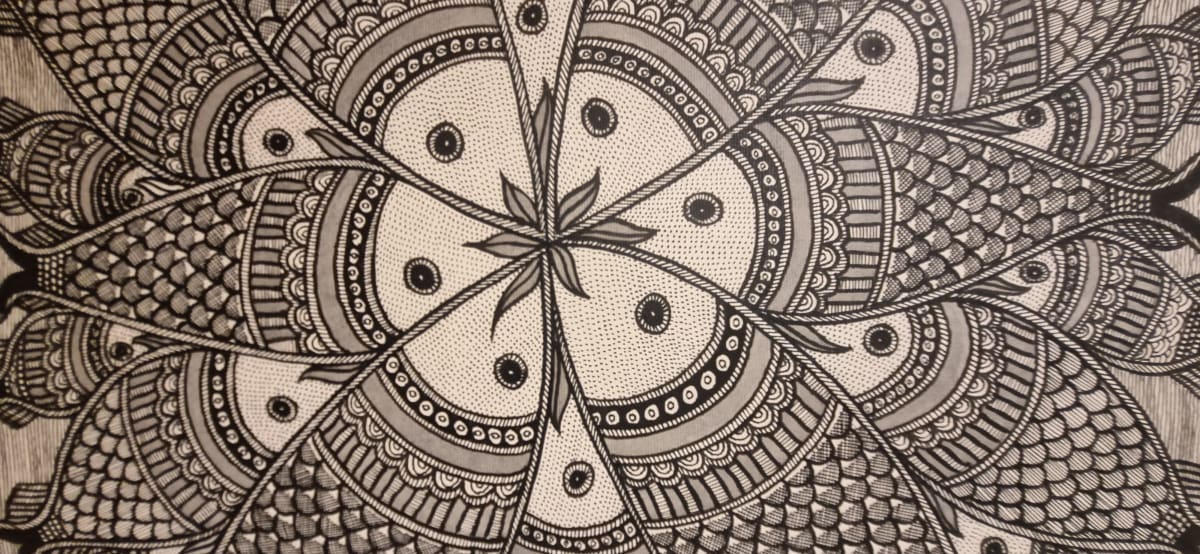
For generations, these "people of the forest" built their lives entirely around wood. Their homes, furniture, and intricate carvings told stories of spiritual beliefs and community knowledge so unique that UNESCO recognized them as intangible cultural heritage in 2008.
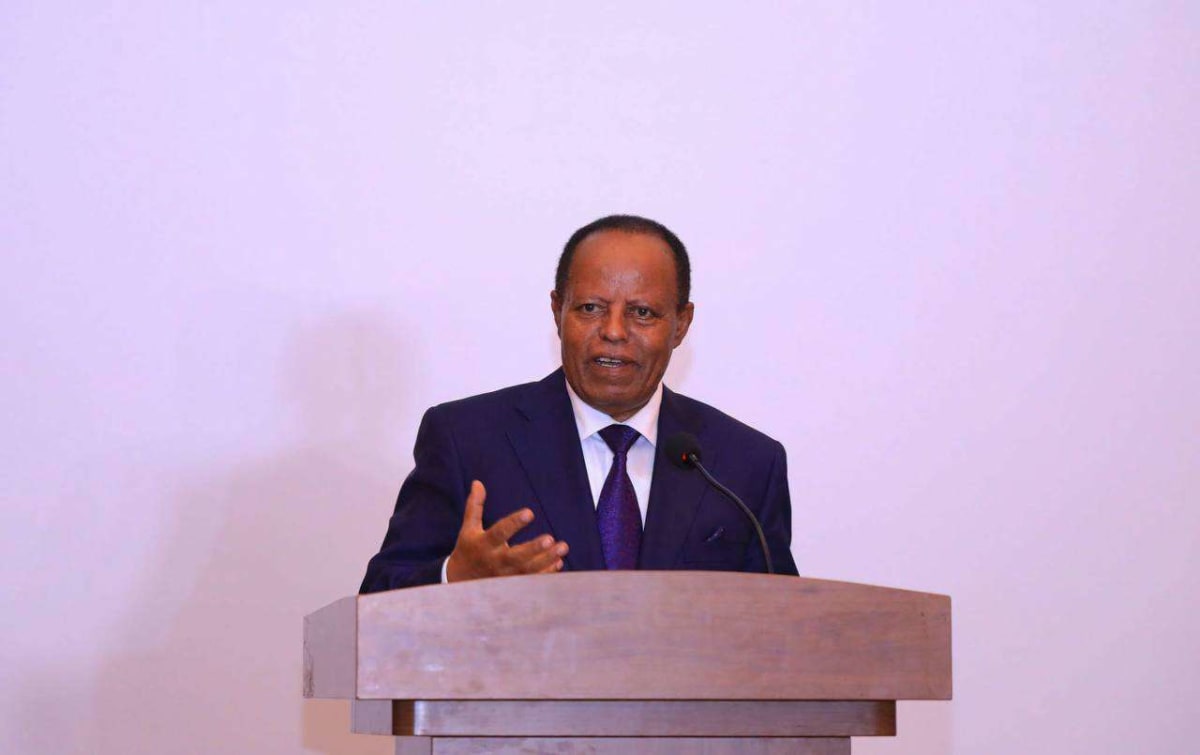
But decades of heavy deforestation have stripped many hills bare, forcing difficult choices. Johnny Andriamahefarivo, the community's only magistrate and a former justice minister, remembers growing up surrounded by carved wooden homes where every detail carried meaning.
"The door, the shutters, the windows, the chairs — everything is carved, and every carving has a particular meaning," he told reporters. Now, with forests disappearing, families must travel kilometers just to find wood.
The changes are visible everywhere. Smartphones have replaced mountaintop climbs for cell signals. Satellite dishes dot villages that were completely isolated just 13 years ago.
The Bright Side
Even as practical realities push families into brick homes, the heart of Zafimaniry culture beats strong. Photographer TangalaMamy, who has documented the community for over a decade, sees resilience in action.
"Even in brick houses today, the ancestors' corner is still there," he explained. Sacred offerings continue, and traditional naming ceremonies still wait for a newborn's umbilical cord to fall off.
The community's distinctive hair braiding language endures too. All 17 identified braid patterns still carry meanings that everyone in the village understands, a silent form of communication passed down through generations.
Now, Malagasy cultural leaders are calling for creative preservation efforts. Writer Vanf has proposed creating dedicated spaces where restored traditional houses can stand as living museums, helping both locals and visitors experience this heritage firsthand.
The French Institute of Madagascar recently hosted a public debate in Antananarivo focused on protecting Zafimaniry identity while embracing necessary change. The conversation centered on a powerful truth: cultures can evolve without erasing their past.
As the world changes around them, the Zafimaniry are showing that tradition and transformation can coexist.
Based on reporting by AllAfrica - Headlines
This story was written by BrightWire based on verified news reports.
Spread the positivity!
Share this good news with someone who needs it