Madison's Electric Buses Win the Wisconsin Winter Test
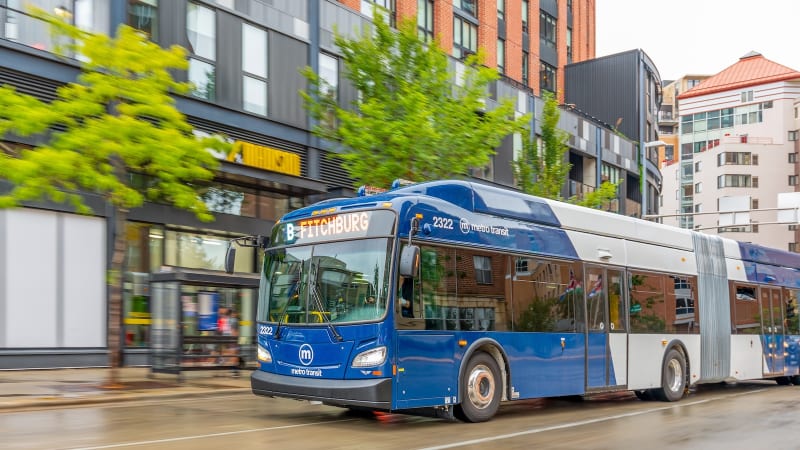
When temperatures plunged to -4°F in Madison, Wisconsin, the University of Wisconsin shut down but the city's 62 electric buses kept running. Just four years after electric buses failed miserably in the cold, new technology is proving that zero-emission transit can handle brutal Midwestern winters.
Madison resident Jonathan Mertzig remembers when the city's first electric buses were a disaster, breaking down constantly and setting off alarms in freezing weather. Now he's watching those same Wisconsin winters meet their match.
Madison rolled out 62 electric buses in fall 2024, and they just passed their biggest test yet. When the thermometer hit -4°F on January 23, the university closed but every electric bus kept running.
The city gets an average of 18 days below zero each year, making it one of the toughest proving grounds in the country. Previous studies found electric bus range can drop by half when temperatures hit the freezing mark, and Madison's first attempt in 2020 confirmed those fears.
The difference this time comes down to smarter charging. Metro Transit installed overhead pantograph chargers at key stops, letting buses recharge during their regular 15-minute layovers. Drivers pull under the charger at the end of each route, and by the time they're ready to head back, the battery is topped off.
The buses now travel up to 258 miles daily, with even the coldest days reducing range by just 10 percent compared to summer. Between 60 and 70 percent of the fleet runs at any time, the same as before winter hit.
Better batteries help too. Energy density has increased by about 7 percent each year over the past decade, giving the new 60-foot coaches far more capacity than the failed 2020 models.
The Ripple Effect
Madison's success matters beyond Wisconsin. Over 3.6 million Americans rely on buses daily, and transportation creates roughly 28 percent of the nation's greenhouse gas emissions. More than 100 U.S. cities have pledged to reach net-zero emissions by 2050, and electric buses are essential to hitting that goal.
Northern cities have watched Madison's experiment closely, wondering if electric transit could ever replace their diesel fleets. The answer appearing this winter could reshape how cities from Minneapolis to Buffalo approach electrification.
The rollout hasn't been perfect. The overhead charging system malfunctioned last year, sidelining buses temporarily. Maintenance remains trickier than with diesel coaches because electric buses have more complex systems to diagnose.
But for riders like Mertzig, who experiences severe migraines and depends on public transit, the buses now work when he needs them most. Madison is proving that electric buses can handle whatever winter throws at them.
More Images


Based on reporting by Grist
This story was written by BrightWire based on verified news reports.
Spread the positivity!
Share this good news with someone who needs it