Maharashtra Farmer Revives 350 Native Plants, Lifts Villages
When farmers in drought-hit Maharashtra villages faced leaving their land to survive, one man rebuilt their future by bringing back the native plants their grandparents once grew. Now 600,000 saplings later, entire communities are earning income from seeds they thought had disappeared forever.
Dinesh Sahebrao Shinde was ready to abandon his family's farm and take a factory job in the city just to feed his family. The soil in his Maharashtra village had become so depleted that nothing seemed to grow without expensive chemicals he couldn't afford.
Then Anant Bhikaji Tayade arrived with a simple but radical idea: bring back the native plants that once thrived here naturally.
Born in 1977 in drought-prone Vidarbha, Anant watched his own farming family struggle as commercial crops replaced traditional varieties. Farmers cut down native trees to make room for cotton, believing it would boost productivity. Instead, the birds that controlled pests vanished, soil lost its ability to hold moisture, and chemical dependence skyrocketed.
"If native seeds disappear, everything else begins to collapse," Anant explains. "From soil health and water cycles to birds, insects, and ultimately farming itself."
Between 2000 and 2004, he worked with social reformer Anna Hazare on grassroots development projects, learning that lasting change happens slowly and must come from within communities. In 2008, he began studying ecological restoration with Dr. Pravin Bhagwat, spending years traveling through forests to understand indigenous species.
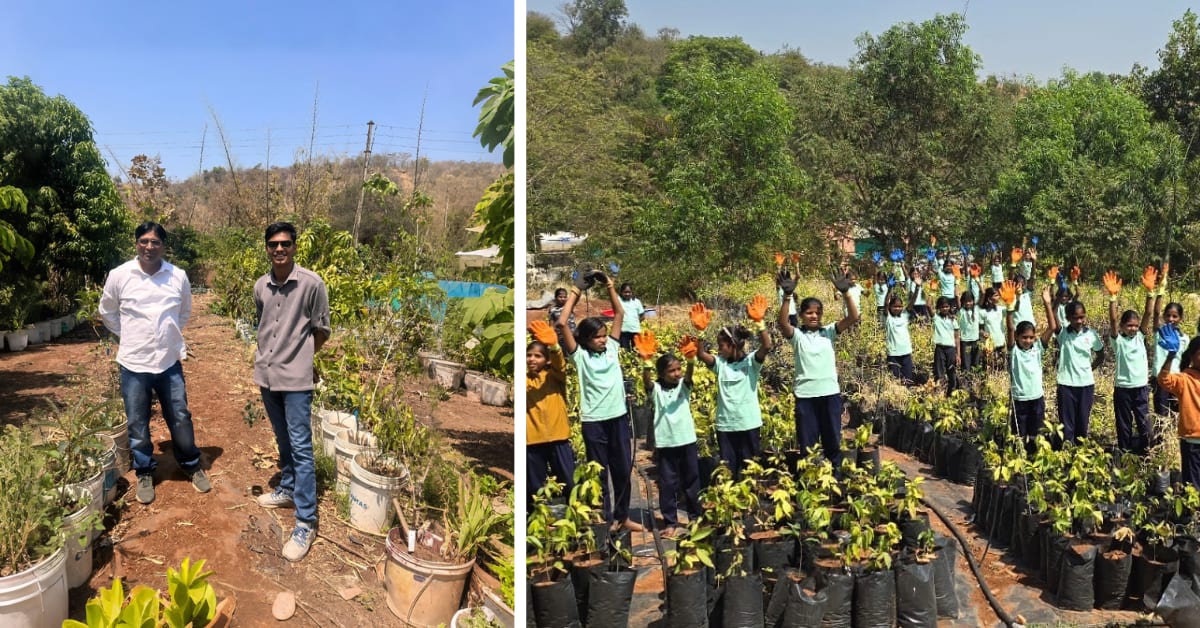
In 2018, he launched 8 Naturals with two tribal workers and a tiny nursery in Vetale village near Pune. The first two years focused entirely on finding and conserving rare native seeds that had nearly vanished from the region.
Today, 8 Naturals has revived over 350 native plant species and distributed 600,000 saplings across Maharashtra. Farmers like Dinesh now grow and sell native seeds, creating steady income without the financial risk of commercial farming.
The plants require less water and no chemicals because they evolved to thrive in local conditions. Birds and beneficial insects have returned, naturally controlling pests. Soil retains moisture better, reducing drought vulnerability.
The Ripple Effect
The transformation goes beyond individual farms. Entire villages now participate in seed collection and nursery work, creating employment while restoring the ecosystems that once sustained their ancestors. Women have become key participants, managing seed banks and earning independent income.
The work proves that economic development and environmental restoration aren't opposing forces. When communities reconnect with their natural heritage, both the land and the people who depend on it can flourish again.
More Images
.png)
%2Fenglish-betterindia%2Fmedia%2Fmedia_files%2F2026%2F06%2F02%2Fanant-bhikaji-tayade-8-naturals-2026-06-02-18-45-49.png)
%2Ffilters%3Aformat(webp)%2Fenglish-betterindia%2Fmedia%2Fmedia_files%2F2026%2F06%2F02%2Fanant-bhikaji-tayade-8-naturals-2026-06-02-18-47-16.png)
Based on reporting by The Better India
This story was written by BrightWire based on verified news reports.
Spread the positivity!
Share this good news with someone who needs it