Maine Grant Connects Recovery Patients to Quit Smoking Help
A new $80,000 grant is breaking down barriers that kept people in addiction recovery from getting help to quit smoking. MaineHealth will now offer integrated tobacco treatment alongside mental health and substance use care.
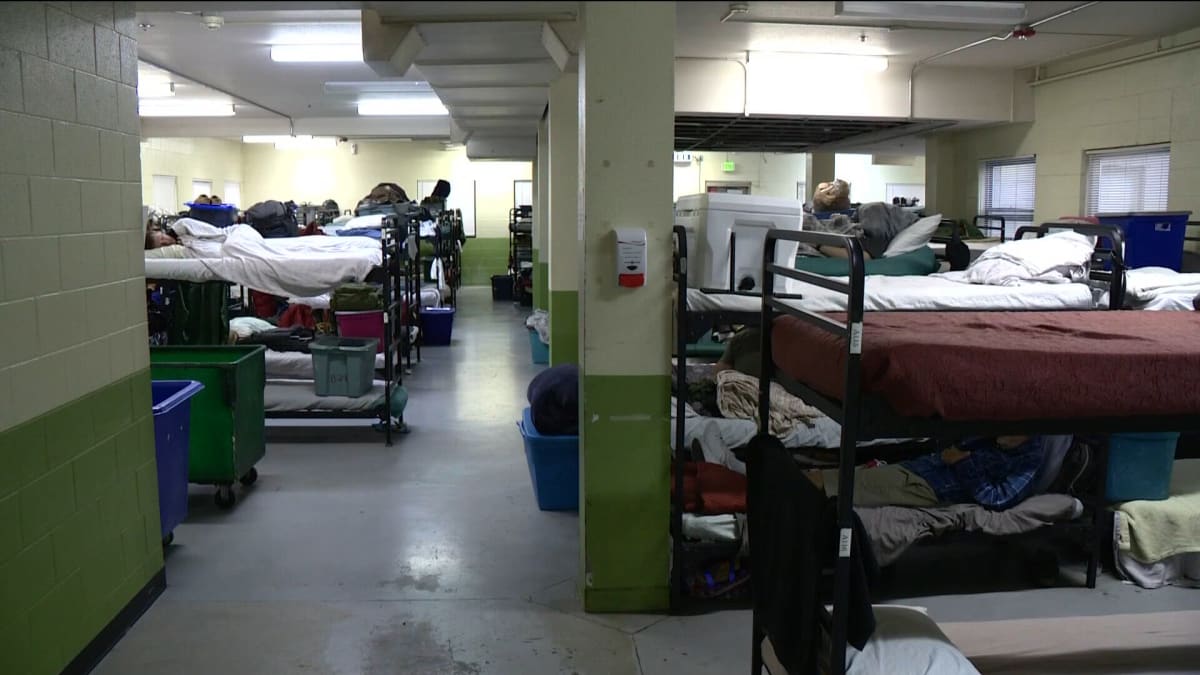
People working hard to overcome addiction often struggle with another powerful substance: tobacco. Now, a Maine health system is making sure patients don't have to fight both battles alone.
MaineHealth's Center for Tobacco Independence received an $80,000 grant from the Maine Cancer Foundation to weave tobacco treatment directly into addiction and mental health care. Starting this fall, patients in the Comprehensive Addiction Psychiatry Services program can connect with quit-smoking specialists through convenient telehealth visits.
The timing matters because people in behavioral health and substance use treatment smoke at much higher rates than the general population. For years, the medical system treated tobacco use separately from other recovery work, even though research shows addressing all substance use together leads to better outcomes.
"For too long, tobacco use has been treated separately from behavioral health and substance use recovery," said Lori Schwartz, Senior Director of MaineHealth Behavioral Health. "Today, we know that treating tobacco dependence alongside other health concerns can strengthen recovery, improve health outcomes and help patients build healthier futures."
The new program makes it easier for staff to identify patients who use tobacco and connect them with proven treatments. Patients will get access to counseling, nicotine replacement therapy, and digital support through Maine QuitLink, the state's free tobacco treatment program.
The Ripple Effect
This simple change could save lives well beyond addiction recovery. Tobacco remains the leading cause of preventable cancer and chronic disease in America. When someone successfully quits smoking while working on recovery, they give themselves a better chance at long-term health.
The grant funding will also train staff and create smoother referral processes, building a system that can keep helping patients long after the initial two years. Sarah Rines, Director of the Center for Tobacco Independence, said the goal is meeting patients where they are with compassionate, evidence-based care.
Every person who enters recovery deserves every tool that can help them build a healthier future.
More Images

Based on reporting by Google News - New Treatment
This story was written by BrightWire based on verified news reports.
Spread the positivity!
Share this good news with someone who needs it